BitcoinWorld Critical Aevo Hack: $2.7M Stolen in Oracle Exploit In a stark reminder of the risks in decentralized finance, the Aevo crypto options exchange hasBitcoinWorld Critical Aevo Hack: $2.7M Stolen in Oracle Exploit In a stark reminder of the risks in decentralized finance, the Aevo crypto options exchange has

Critical Aevo Hack: $2.7M Stolen in Oracle Exploit
2025/12/15 10:00
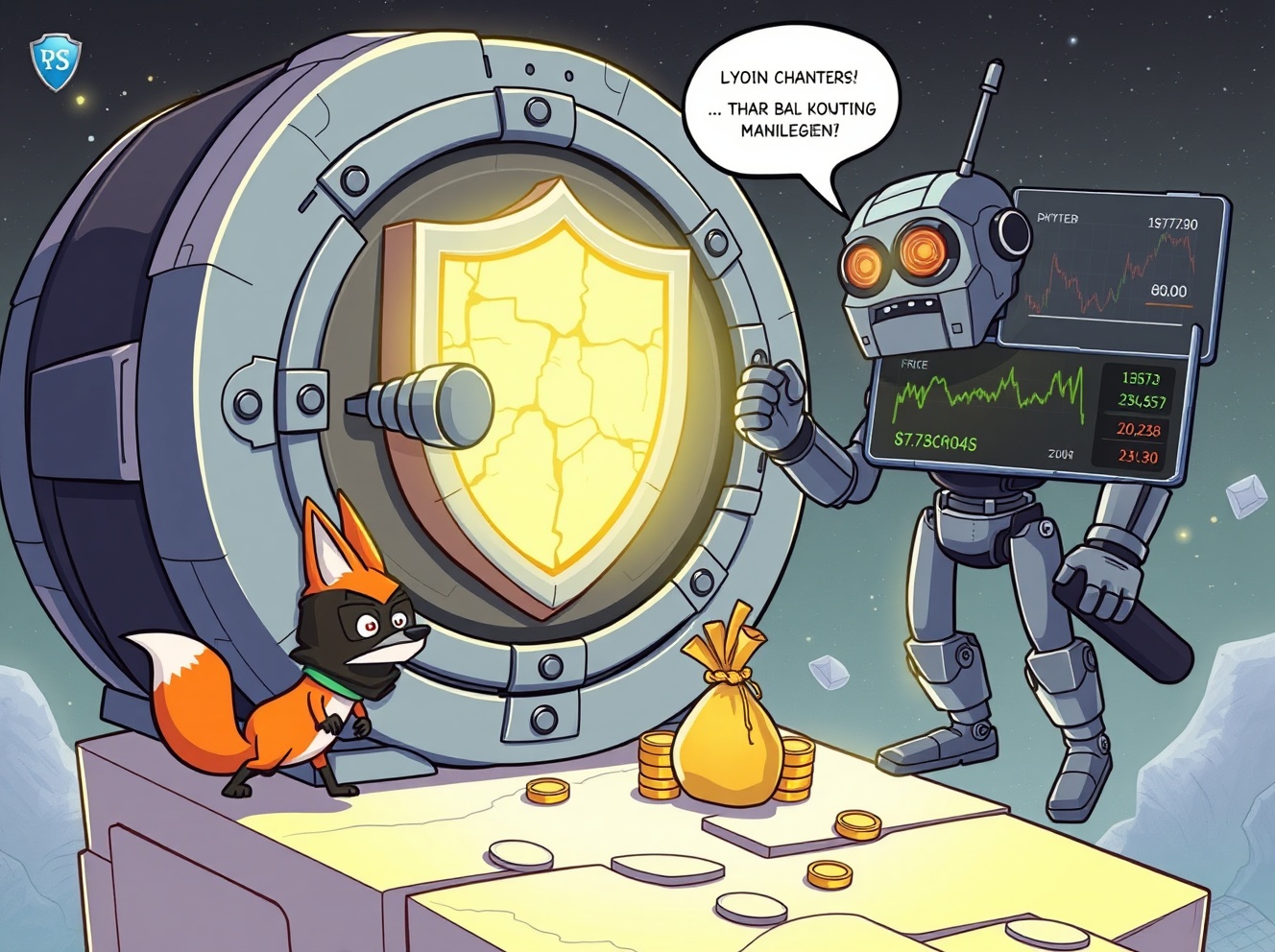
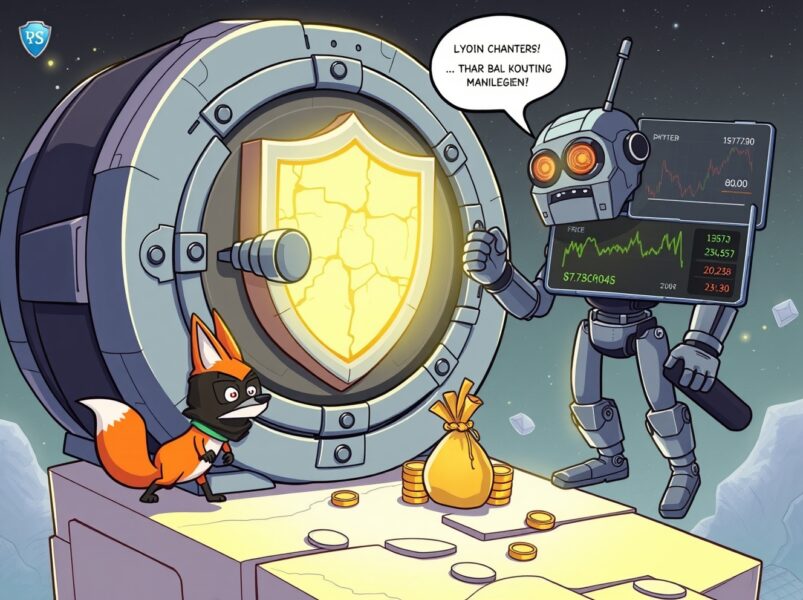
Cartoon illustration of the Aevo hack showing a digital vault breach due to an oracle vulnerability.

BitcoinWorld

Critical Aevo Hack: $2.7M Stolen in Oracle Exploit

In a stark reminder of the risks in decentralized finance, the Aevo crypto options exchange has been hit by a multi-million dollar exploit. The platform confirmed a $2.7 million hack stemming from a critical flaw in its price feed system. This incident puts the spotlight back on one of DeFi’s most persistent challenges: oracle security.

What Exactly Happened in the Aevo Hack?

The Aevo hack was not a breach of its core trading engine. Instead, attackers found a weakness during an upgrade to the platform’s oracle—the external data source that provides real-time price information. By manipulating this price data, the exploiter created false market conditions to drain funds from specific contracts. Aevo’s team quickly clarified that its main Layer 2 exchange remained unaffected, but the damage to its reputation and user trust is significant.

Why Are Oracle Vulnerabilities So Dangerous?

Oracles act as bridges between blockchains and the outside world. When they fail or are manipulated, the consequences can be severe. This Aevo hack demonstrates a classic ‘oracle attack’ vector:

  • Price Manipulation: Feeding incorrect asset prices to smart contracts.
  • Liquidation Exploits: Triggering unfair liquidations of user positions.
  • Arbitrage Loopholes: Creating artificial price differences to siphon funds.

Therefore, securing these data feeds is paramount for any DeFi protocol’s survival.

How Did Aevo Respond to the Security Breach?

Transparency is crucial after a security incident. Aevo’s response included several key actions:

  • Immediately pausing affected services to prevent further losses.
  • Launching a full investigation into the oracle vulnerability.
  • Communicating clearly that user funds on the main exchange were safe.
  • Working with security firms to patch the flaw and prevent recurrence.

This proactive approach helps maintain user confidence during a crisis.

What Does This Mean for DeFi Security?

The Aevo hack is more than an isolated event; it’s a lesson for the entire industry. While decentralized systems remove intermediaries, they introduce new technical risks. Oracle reliability remains a top concern. However, the incident also shows progress—the exploit was contained to a specific subsystem, preventing a total collapse. The future of DeFi depends on building more robust, attack-resistant oracle networks.

Key Takeaways from the Aevo Exploit

This event offers clear insights for both developers and users:

  • For Projects: Security upgrades require extreme caution. Test oracle changes extensively in isolated environments before mainnet deployment.
  • For Users: Understand that while main platforms may be secure, auxiliary contracts and features can carry hidden risks.
  • For the Industry: Continuous auditing and bug bounty programs are non-negotiable for safeguarding assets.

In conclusion, the $2.7 million Aevo hack serves as a costly but valuable stress test. It highlights the critical importance of oracle security in the DeFi stack. While the financial loss is substantial, the fact that the core exchange remained operational demonstrates layered security architecture can limit damage. The relentless pursuit of stronger, more decentralized oracles will define the next chapter of decentralized finance’s evolution.

Frequently Asked Questions (FAQs)

Q: Were my funds on the main Aevo exchange safe during the hack?
A: Yes. Aevo confirmed the oracle vulnerability and subsequent hack only affected a specific subsystem. The main Layer 2 exchange and user funds there were not compromised.

Q: What is an oracle in cryptocurrency?
A: An oracle is a service that feeds external, real-world data (like asset prices) onto a blockchain so smart contracts can use it to execute agreements. It’s a critical link between off-chain and on-chain information.

Q: Has Aevo recovered the stolen funds?
A: As of the latest reports, the stolen $2.7 million has not been recovered. The team is investigating the incident and working with security partners. Recovery of funds in such exploits is often very difficult.

Q: Should I avoid using Aevo after this hack?
A: The decision is personal. The platform has been transparent about the incident, which was limited in scope. However, users should always conduct their own research and assess their risk tolerance when using any DeFi protocol.

Q: How can DeFi platforms prevent future oracle hacks?
A> Prevention involves using multiple, decentralized oracle networks, implementing time-delays for critical price updates, conducting rigorous smart contract audits, and running comprehensive bug bounty programs to find vulnerabilities before attackers do.

If you found this breakdown of the Aevo hack insightful, help spread awareness about DeFi security. Share this article on your social media channels to inform your network about the importance of oracle vulnerabilities and how the industry is evolving to tackle them.

To learn more about the latest cryptocurrency security trends, explore our article on key developments shaping DeFi and the ongoing battle against smart contract exploits.

This post Critical Aevo Hack: $2.7M Stolen in Oracle Exploit first appeared on BitcoinWorld.

Market Opportunity
Aevo Logo
Aevo Price(AEVO)
$0.03788
$0.03788$0.03788
-2.67%
USD
Aevo (AEVO) Live Price Chart
Disclaimer: The articles reposted on this site are sourced from public platforms and are provided for informational purposes only. They do not necessarily reflect the views of MEXC. All rights remain with the original authors. If you believe any content infringes on third-party rights, please contact service@support.mexc.com for removal. MEXC makes no guarantees regarding the accuracy, completeness, or timeliness of the content and is not responsible for any actions taken based on the information provided. The content does not constitute financial, legal, or other professional advice, nor should it be considered a recommendation or endorsement by MEXC.

You May Also Like

The Channel Factories We’ve Been Waiting For

The Channel Factories We’ve Been Waiting For

The post The Channel Factories We’ve Been Waiting For appeared on BitcoinEthereumNews.com. Visions of future technology are often prescient about the broad strokes while flubbing the details. The tablets in “2001: A Space Odyssey” do indeed look like iPads, but you never see the astronauts paying for subscriptions or wasting hours on Candy Crush.  Channel factories are one vision that arose early in the history of the Lightning Network to address some challenges that Lightning has faced from the beginning. Despite having grown to become Bitcoin’s most successful layer-2 scaling solution, with instant and low-fee payments, Lightning’s scale is limited by its reliance on payment channels. Although Lightning shifts most transactions off-chain, each payment channel still requires an on-chain transaction to open and (usually) another to close. As adoption grows, pressure on the blockchain grows with it. The need for a more scalable approach to managing channels is clear. Channel factories were supposed to meet this need, but where are they? In 2025, subnetworks are emerging that revive the impetus of channel factories with some new details that vastly increase their potential. They are natively interoperable with Lightning and achieve greater scale by allowing a group of participants to open a shared multisig UTXO and create multiple bilateral channels, which reduces the number of on-chain transactions and improves capital efficiency. Achieving greater scale by reducing complexity, Ark and Spark perform the same function as traditional channel factories with new designs and additional capabilities based on shared UTXOs.  Channel Factories 101 Channel factories have been around since the inception of Lightning. A factory is a multiparty contract where multiple users (not just two, as in a Dryja-Poon channel) cooperatively lock funds in a single multisig UTXO. They can open, close and update channels off-chain without updating the blockchain for each operation. Only when participants leave or the factory dissolves is an on-chain transaction…
Share
BitcoinEthereumNews2025/09/18 00:09
XRP Price Prediction: Can Ripple Rally Past $2 Before the End of 2025?

XRP Price Prediction: Can Ripple Rally Past $2 Before the End of 2025?

The post XRP Price Prediction: Can Ripple Rally Past $2 Before the End of 2025? appeared first on Coinpedia Fintech News The XRP price has come under enormous pressure
Share
CoinPedia2025/12/16 19:22
BlackRock boosts AI and US equity exposure in $185 billion models

BlackRock boosts AI and US equity exposure in $185 billion models

The post BlackRock boosts AI and US equity exposure in $185 billion models appeared on BitcoinEthereumNews.com. BlackRock is steering $185 billion worth of model portfolios deeper into US stocks and artificial intelligence. The decision came this week as the asset manager adjusted its entire model suite, increasing its equity allocation and dumping exposure to international developed markets. The firm now sits 2% overweight on stocks, after money moved between several of its biggest exchange-traded funds. This wasn’t a slow shuffle. Billions flowed across multiple ETFs on Tuesday as BlackRock executed the realignment. The iShares S&P 100 ETF (OEF) alone brought in $3.4 billion, the largest single-day haul in its history. The iShares Core S&P 500 ETF (IVV) collected $2.3 billion, while the iShares US Equity Factor Rotation Active ETF (DYNF) added nearly $2 billion. The rebalancing triggered swift inflows and outflows that realigned investor exposure on the back of performance data and macroeconomic outlooks. BlackRock raises equities on strong US earnings The model updates come as BlackRock backs the rally in American stocks, fueled by strong earnings and optimism around rate cuts. In an investment letter obtained by Bloomberg, the firm said US companies have delivered 11% earnings growth since the third quarter of 2024. Meanwhile, earnings across other developed markets barely touched 2%. That gap helped push the decision to drop international holdings in favor of American ones. Michael Gates, lead portfolio manager for BlackRock’s Target Allocation ETF model portfolio suite, said the US market is the only one showing consistency in sales growth, profit delivery, and revisions in analyst forecasts. “The US equity market continues to stand alone in terms of earnings delivery, sales growth and sustainable trends in analyst estimates and revisions,” Michael wrote. He added that non-US developed markets lagged far behind, especially when it came to sales. This week’s changes reflect that position. The move was made ahead of the Federal…
Share
BitcoinEthereumNews2025/09/18 01:44