

Japanese Companies Manage Bitcoin: Animoca’s Bold New Partnership Unlocks Corporate Crypto

BitcoinWorld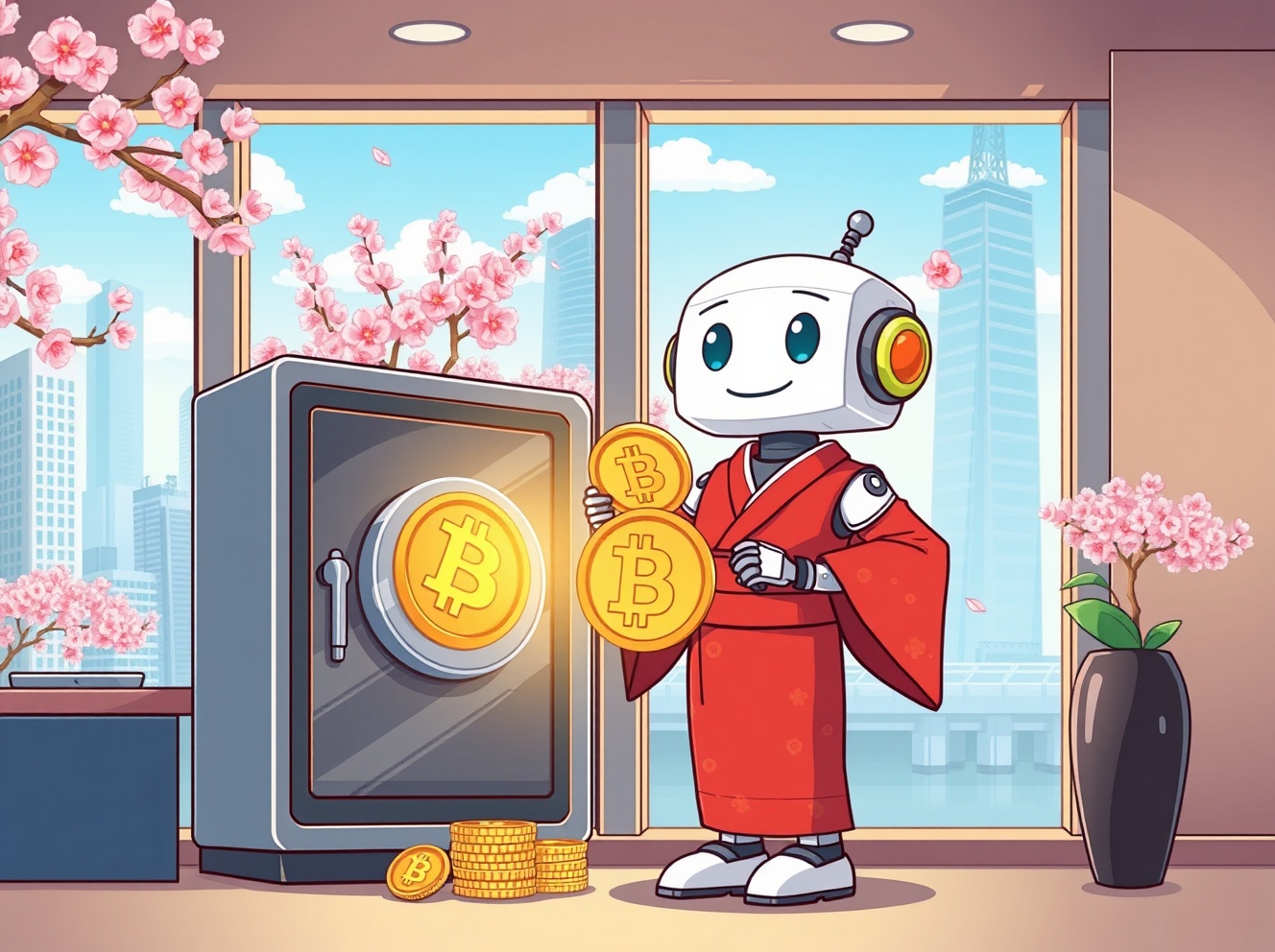
Japanese Companies Manage Bitcoin: Animoca’s Bold New Partnership Unlocks Corporate Crypto
Imagine a major Japanese corporation wanting to hold Bitcoin on its balance sheet. Until now, the path was fraught with complexity. A groundbreaking new partnership is changing that game entirely. Animoca Brands Japan has teamed up with middleware platform Bifrost to provide a comprehensive suite for publicly listed Japanese companies to manage Bitcoin. This move signals a major step in institutional crypto adoption, offering a trusted bridge into digital asset management.
Why Are Japanese Companies Eager to Manage Bitcoin?
Japanese companies manage Bitcoin for several strategic reasons. Firstly, Bitcoin serves as a potential hedge against inflation and currency fluctuations. Secondly, holding digital assets can attract a new investor demographic interested in innovative treasury strategies. However, the technical and regulatory hurdles have been significant. This partnership directly addresses those pain points, providing a compliant and secure on-ramp.
How Will Animoca Brands Japan Help Companies Manage Bitcoin?
The initiative is not just about buying and holding. Animoca Brands Japan and Bifrost are building a full-service framework. Their support covers three critical areas that make it feasible for Japanese companies to manage Bitcoin effectively:
- Secure Custody Solutions: Providing robust, regulated custody to keep corporate Bitcoin holdings safe.
- Active Asset Management: Enabling companies to earn yield through staking, lending, and DeFi protocols.
- Business Model Innovation: Assisting firms in launching new, recurring revenue streams based on blockchain technology.
This holistic approach transforms Bitcoin from a static holding into a productive corporate asset.
What Does This Mean for the Future of Corporate Finance?
This partnership is a powerful signal. When established, listed firms begin to formally integrate Bitcoin, it moves the asset class further into the financial mainstream. For Japan, a nation with a progressive stance on crypto regulation, this could catalyze a wave of adoption. Other companies will watch closely, potentially creating a domino effect. The ability for Japanese companies to manage Bitcoin professionally lowers the barrier to entry and reduces perceived risk.
What Are the Key Challenges and Considerations?
While the opportunity is immense, challenges remain. Market volatility requires careful treasury management policies. Regulatory compliance is an ongoing process, not a one-time check. Furthermore, the accounting and reporting standards for digital assets are still evolving globally. Success will depend on the partnership’s ability to navigate these complexities while providing clear, actionable insights to their corporate clients.
In conclusion, the collaboration between Animoca Brands Japan and Bifrost is more than a service launch; it’s an infrastructure play for the future of corporate assets. By providing the tools for Japanese companies to manage Bitcoin securely and productively, they are building the rails for the next era of institutional finance. This initiative could well become the blueprint other regions follow.
Frequently Asked Questions (FAQs)
Q1: What exactly is Animoca Brands Japan offering?
A1: They are offering a managed service suite to help publicly listed Japanese companies buy, securely hold, and generate yield from Bitcoin holdings through staking, lending, and DeFi.
Q2: Why is this partnership significant?
A2: It provides a trusted, compliant pathway for traditional, conservative listed companies to enter the crypto space, potentially driving widespread institutional adoption in Japan.
Q3: Is this only about buying and holding Bitcoin?
A3: No. The service extends to active management, helping companies put their Bitcoin to work to earn yield, and even supporting the development of new blockchain-based business lines.
Q4: What is Bifrost’s role in this partnership?
A4: Bifrost provides the critical multichain middleware technology that enables secure interaction between traditional corporate systems and various blockchain networks for staking and DeFi activities.
Q5: Are there risks for companies using this service?
A5: Yes, standard crypto risks apply, including market volatility and smart contract risk in DeFi. The service aims to mitigate these through secure infrastructure and expert management.
Q6: Could this model be replicated in other countries?
A6: Absolutely. If successful in Japan, this partnership could serve as a template for similar services in other nations with clear crypto regulations, accelerating global corporate adoption.
Found this insight into how Japanese companies manage Bitcoin fascinating? Share this article with your network on Twitter or LinkedIn to spark a conversation about the future of corporate treasury!
To learn more about the latest Bitcoin trends, explore our article on key developments shaping Bitcoin institutional adoption.
This post Japanese Companies Manage Bitcoin: Animoca’s Bold New Partnership Unlocks Corporate Crypto first appeared on BitcoinWorld.
You May Also Like

The Channel Factories We’ve Been Waiting For

XRP ETF’s bereiken belangrijke mijlpaal: $1 miljard aan netto instroom
