The post UK wage growth for new hires slows to 4-year low appeared on BitcoinEthereumNews.com. The UK’s new hire wage growth has slowed to its weakest pace in over four years, marking the sharpest drop in pay since the pandemic began. The figures offer the clearest sign yet that Britain’s labor market is losing steam. The slowdown reflects growing caution among businesses, which are increasingly reluctant to raise wages to attract staff. After years of worker shortages, the balance is shifting: employers are pulling back, while the number of job seekers rises rapidly. For the Bank of England, the easing wage growth provides some relief. The central bank has been wary of rising pay fueling persistent inflation. Softer wage pressures reduce the need to maintain high interest rates and could even open the door to rate cuts in the coming months. But from a broader perspective, that‘s a good-news portrait that‘s less rosy. The prime minister, Keir Starmer, has vowed to increase living standards and deliver growth for working families. Sluggish pay increases undercut that vow, especially since households are still burdened with stubbornly expensive food prices, pricey mortgages, and increasing tax bills. The figures are from the most recent study of the jobs market by the Recruitment & Employment Confederation (REC) and KPMG, which is closely watched by policy ­makers. It indicated that starting salaries in August had increased slowly since March 2021. At the time, the economy was weighed down by tight COVID-19 restrictions. Employers cut hiring as candidate supply rises According to the survey, employers are being cautious with their hiring. Escalating costs and a brittle economy are to blame. Many companies have put off expansion plans, such as hiring, until they see more signs that the economy is in clearer territory. At the same time, the ranks of job seekers have swelled. There was a pickup in the availability of candidates… The post UK wage growth for new hires slows to 4-year low appeared on BitcoinEthereumNews.com. The UK’s new hire wage growth has slowed to its weakest pace in over four years, marking the sharpest drop in pay since the pandemic began. The figures offer the clearest sign yet that Britain’s labor market is losing steam. The slowdown reflects growing caution among businesses, which are increasingly reluctant to raise wages to attract staff. After years of worker shortages, the balance is shifting: employers are pulling back, while the number of job seekers rises rapidly. For the Bank of England, the easing wage growth provides some relief. The central bank has been wary of rising pay fueling persistent inflation. Softer wage pressures reduce the need to maintain high interest rates and could even open the door to rate cuts in the coming months. But from a broader perspective, that‘s a good-news portrait that‘s less rosy. The prime minister, Keir Starmer, has vowed to increase living standards and deliver growth for working families. Sluggish pay increases undercut that vow, especially since households are still burdened with stubbornly expensive food prices, pricey mortgages, and increasing tax bills. The figures are from the most recent study of the jobs market by the Recruitment & Employment Confederation (REC) and KPMG, which is closely watched by policy ­makers. It indicated that starting salaries in August had increased slowly since March 2021. At the time, the economy was weighed down by tight COVID-19 restrictions. Employers cut hiring as candidate supply rises According to the survey, employers are being cautious with their hiring. Escalating costs and a brittle economy are to blame. Many companies have put off expansion plans, such as hiring, until they see more signs that the economy is in clearer territory. At the same time, the ranks of job seekers have swelled. There was a pickup in the availability of candidates…

UK wage growth for new hires slows to 4-year low

2025/09/08 09:37

The UK’s new hire wage growth has slowed to its weakest pace in over four years, marking the sharpest drop in pay since the pandemic began. The figures offer the clearest sign yet that Britain’s labor market is losing steam.

The slowdown reflects growing caution among businesses, which are increasingly reluctant to raise wages to attract staff. After years of worker shortages, the balance is shifting: employers are pulling back, while the number of job seekers rises rapidly.

For the Bank of England, the easing wage growth provides some relief. The central bank has been wary of rising pay fueling persistent inflation. Softer wage pressures reduce the need to maintain high interest rates and could even open the door to rate cuts in the coming months.

But from a broader perspective, that‘s a good-news portrait that‘s less rosy. The prime minister, Keir Starmer, has vowed to increase living standards and deliver growth for working families. Sluggish pay increases undercut that vow, especially since households are still burdened with stubbornly expensive food prices, pricey mortgages, and increasing tax bills.

The figures are from the most recent study of the jobs market by the Recruitment & Employment Confederation (REC) and KPMG, which is closely watched by policy ­makers. It indicated that starting salaries in August had increased slowly since March 2021. At the time, the economy was weighed down by tight COVID-19 restrictions.

Employers cut hiring as candidate supply rises

According to the survey, employers are being cautious with their hiring. Escalating costs and a brittle economy are to blame. Many companies have put off expansion plans, such as hiring, until they see more signs that the economy is in clearer territory.

At the same time, the ranks of job seekers have swelled. There was a pickup in the availability of candidates at the quickest pace since 2020. Job losses, hiring freezes, and concern over job insecurity have prompted more people to enter the labour market.

Vacancies fell sharply for a sixth consecutive month. Job postings in the retail and hospitality sector saw the sharpest decreases. Construction was the only industry to report a greater demand for permanent staff, providing a rare bright spot.

Permanent job placements dropped again, with cost pressures and company caution holding back hiring. But the decline was the slowest in three months, suggesting the worst of the downturn may end.

Modest pay growth reduces inflation risk but increases political pressure

The news is some relief for the Bank of England. Policymakers have worried that workers will seek higher wages as inflation has surged lately. To date, those fears have not come to pass. Slower pay growth reduces the risk of “second-round” effects, which might otherwise entrench inflation.

But for the government, it’s more complicated. Weak wage growth and increasing unemployment further complicate Starmer’s promise to improve living standards. Families are already squeezed by soaring food prices and energy bills. And the threat of more tax hikes in the autumn budget may only increase the pressure.

Jon Holt, group chief executive and UK senior partner at KPMG, said the trading environment continues to be “complex”, with many chief executives holding off on further investment and hiring.

Neil Carberry, chief executive of the REC, said there was still life in the jobs market but noted that with fewer jobs available and more people seeking work, the overall picture remained subdued. He cautioned that businesses would closely watch the Autumn Budget in the hope that the Chancellor would avoid measures increasing the cost of hiring staff.

The slowing of payroll gains bolsters the case for the Bank of England to weigh interest-rate cuts in the months ahead. When unemployment rises and inflation pressures abate, pleas for monetary support will become increasingly louder.

However, sluggish wage growth is a reality for families: Incomes are falling behind growing living costs. Once more, the gap between pay and prices is at the center of Britain’s economic debate.

The smartest crypto minds already read our newsletter. Want in? Join them.

Source: https://www.cryptopolitan.com/uk-wage-growth-for-new-hires-slows/
Market Opportunity
Moonveil Logo
Moonveil Price(MORE)
$0,004054
$0,004054$0,004054
-%0,09
USD
Moonveil (MORE) Live Price Chart
Disclaimer: The articles reposted on this site are sourced from public platforms and are provided for informational purposes only. They do not necessarily reflect the views of MEXC. All rights remain with the original authors. If you believe any content infringes on third-party rights, please contact service@support.mexc.com for removal. MEXC makes no guarantees regarding the accuracy, completeness, or timeliness of the content and is not responsible for any actions taken based on the information provided. The content does not constitute financial, legal, or other professional advice, nor should it be considered a recommendation or endorsement by MEXC.

You May Also Like

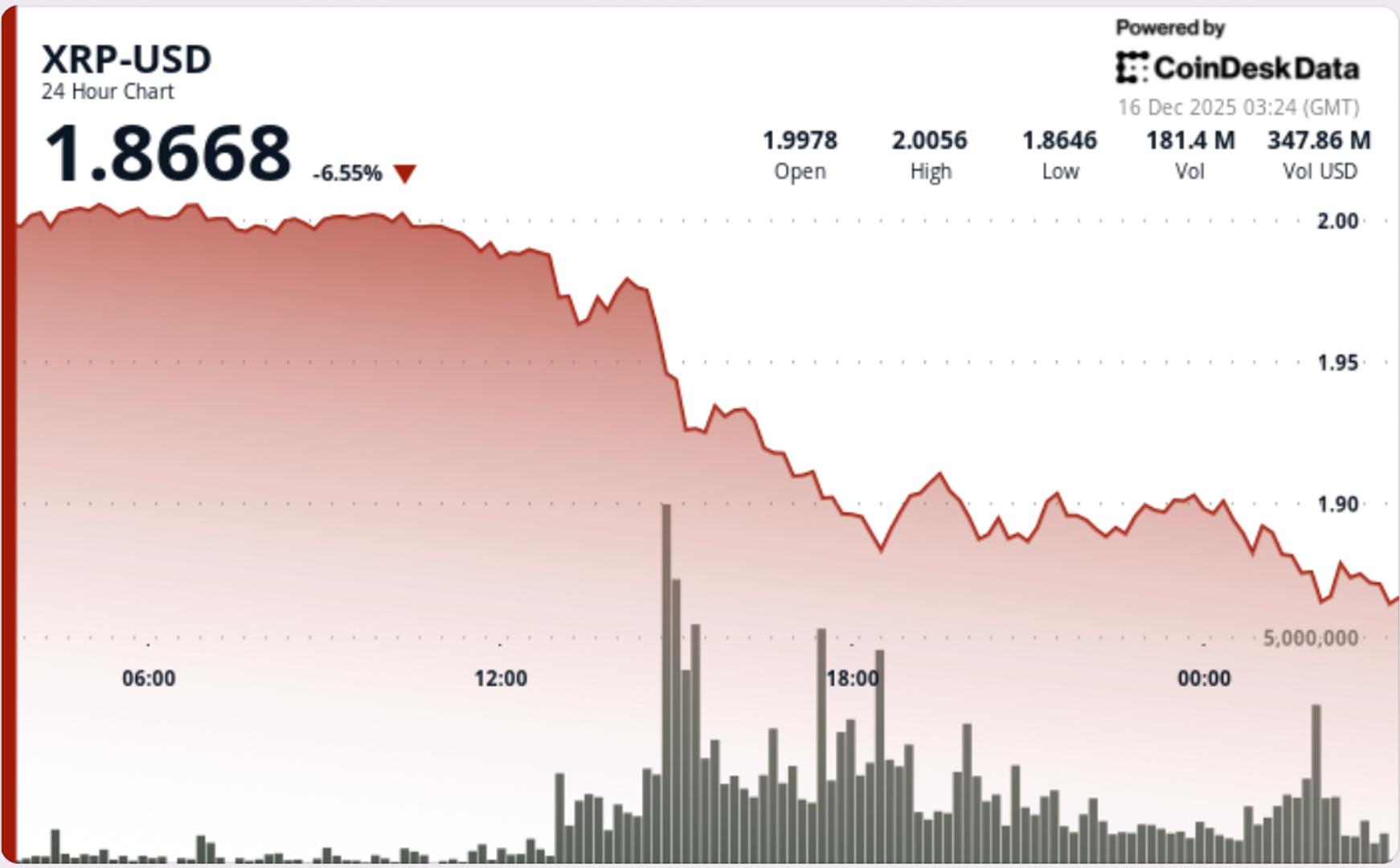
XRP price weakens at critical level, raising risk of deeper pullback

XRP price weakens at critical level, raising risk of deeper pullback

Markets Share Share this article
Copy linkX (Twitter)LinkedInFacebookEmail
XRP price weakens at critical level, raising
Share
Coindesk2025/12/16 11:34
Warsaw Stock Exchange Launches Poland's First Bitcoin ETF

Warsaw Stock Exchange Launches Poland's First Bitcoin ETF

PANews reported on September 19th that according to Cryptobriefing, the Warsaw Stock Exchange has launched Poland's first Bitcoin ETF, marking a significant step forward in the adoption of cryptocurrencies in Eastern Europe. The ETF allows Polish investors to gain exposure to Bitcoin through standard brokerage accounts.
Share
PANews2025/09/19 08:52
Slate Milk Raises $23 Million Series B Round To Bolster Protein Drink’s Rapid Growth

Slate Milk Raises $23 Million Series B Round To Bolster Protein Drink’s Rapid Growth

The post Slate Milk Raises $23 Million Series B Round To Bolster Protein Drink’s Rapid Growth appeared on BitcoinEthereumNews.com. Slate Classic Chocolate milk shake Slate A new slate of functional beverages is about to dominate the ready-to-drink shelf, ushering in a more modern era of easily incorporating more protein in our diets. Today, Slate Milk cofounders Manny Lubin and Josh Belinsky reveal the brand has raised a $23 million Series B funding round. Led by Foundership, a new fund by Yasso frozen greek yogurt cofounders Drew Harrington and Amanda Klane, the money will allow Slate to continue its momentum towards ubiquity as it hits 100,000 points of distribution across 20,000 stores nationwide by the end of 2025. Slate also reveals that it is rolling out several line extensions including a 20 gram protein Strawberry milk at Sprouts Farmers Market, a 30 gram protein Cookies & Cream milk at Target, and a 30 gram protein Salted Caramel flavor at Walmart and Albertsons banner stores. New “Ultra” 42 gram protein options in Chocolate, Vanilla and Salted Caramel will also be available in retailers across the country. “Stores where we may have just had our ready-to-drink lattes, now we’re adding our shakes, and vice versa. We’re adding new partners and executing deeper with our existing partners,” Lubin tells me. The impressive growth is due to Slate’s early entry into the high-protein product space slightly before it caught mainstream attention–ready to execute immediately once consumers craved it most. Slate’s macronutrient ratios are practically unbeatable, largely due to the utilization of ultra-filtered milk. It’s a protein drink that writes a new script about who protein drinks are for. “We’re not sons of dairy farmers. We had no milk history,” Lubin says “We’re just a couple of dudes from the burbs of Boston who like chocolate milk.” Slate cofounder Manny Lubin Slate Another Clean Slate Slate’s brand has evolved significantly in just the past six…
Share
BitcoinEthereumNews2025/09/19 03:08