The post Unity Nodes Transforms the $2 Trillion Sector appeared on BitcoinEthereumNews.com. For decades, the global telecommunications sector has suffered from centralized systems, expensive to maintain, vulnerable to fraud, and not inclined towards innovation. Telephone companies lose billions of dollars every year due to inefficiencies and scams, forced to manage manual checks and intermediaries that slow down every process.  In this scenario, the birth of Unity Nodes represents a groundbreaking shift, bringing the telecom infrastructure onto blockchain and ushering in a new era of decentralized verification and transparency. Unity Nodes: the new frontier of decentralized On-Chain verification Unity Nodes is born from the collaboration between Minutes Network Token X (MNTx) and World Mobile Treasury Services Ltd (WMTx). The objective is clear: to replace traditional oversight with a real-time auditing system, based on cryptographically verifiable and immutable data.  Thanks to this architecture, the verification of network performance occurs directly on-chain, eliminating the need for costly intermediaries and drastically reducing the risk of fraud. A key element of this revolution is the integration of the Polkadot DOT token as the first asset partner in Unity’s on-chain telecom economy. Unity node operators receive rewards directly in DOT, creating an ecosystem where active participation is rewarded in a transparent and sustainable manner. Smartphones as validator nodes: the network becomes democratic Unity Nodes transforms every smartphone into an active validator node. Regular network activities — such as test calls, routing pings, and fault detection — become verifiable proofs of work recorded on the blockchain. Instead of paying security companies or centralized verifiers, now the network operators themselves receive compensation, directly from carrier fees and not from inflationary token emissions. This model rewards real users who contribute to the maintenance and integrity of the network, making participation in the network not only useful but also economically advantageous. On-Chain Verification: transparency and security in real-time Verification Process and Rewards… The post Unity Nodes Transforms the $2 Trillion Sector appeared on BitcoinEthereumNews.com. For decades, the global telecommunications sector has suffered from centralized systems, expensive to maintain, vulnerable to fraud, and not inclined towards innovation. Telephone companies lose billions of dollars every year due to inefficiencies and scams, forced to manage manual checks and intermediaries that slow down every process.  In this scenario, the birth of Unity Nodes represents a groundbreaking shift, bringing the telecom infrastructure onto blockchain and ushering in a new era of decentralized verification and transparency. Unity Nodes: the new frontier of decentralized On-Chain verification Unity Nodes is born from the collaboration between Minutes Network Token X (MNTx) and World Mobile Treasury Services Ltd (WMTx). The objective is clear: to replace traditional oversight with a real-time auditing system, based on cryptographically verifiable and immutable data.  Thanks to this architecture, the verification of network performance occurs directly on-chain, eliminating the need for costly intermediaries and drastically reducing the risk of fraud. A key element of this revolution is the integration of the Polkadot DOT token as the first asset partner in Unity’s on-chain telecom economy. Unity node operators receive rewards directly in DOT, creating an ecosystem where active participation is rewarded in a transparent and sustainable manner. Smartphones as validator nodes: the network becomes democratic Unity Nodes transforms every smartphone into an active validator node. Regular network activities — such as test calls, routing pings, and fault detection — become verifiable proofs of work recorded on the blockchain. Instead of paying security companies or centralized verifiers, now the network operators themselves receive compensation, directly from carrier fees and not from inflationary token emissions. This model rewards real users who contribute to the maintenance and integrity of the network, making participation in the network not only useful but also economically advantageous. On-Chain Verification: transparency and security in real-time Verification Process and Rewards…

Unity Nodes Transforms the $2 Trillion Sector

For feedback or concerns regarding this content, please contact us at crypto.news@mexc.com

For decades, the global telecommunications sector has suffered from centralized systems, expensive to maintain, vulnerable to fraud, and not inclined towards innovation. Telephone companies lose billions of dollars every year due to inefficiencies and scams, forced to manage manual checks and intermediaries that slow down every process. 

In this scenario, the birth of Unity Nodes represents a groundbreaking shift, bringing the telecom infrastructure onto blockchain and ushering in a new era of decentralized verification and transparency.

Unity Nodes: the new frontier of decentralized On-Chain verification

Unity Nodes is born from the collaboration between Minutes Network Token X (MNTx) and World Mobile Treasury Services Ltd (WMTx). The objective is clear: to replace traditional oversight with a real-time auditing system, based on cryptographically verifiable and immutable data. 

Thanks to this architecture, the verification of network performance occurs directly on-chain, eliminating the need for costly intermediaries and drastically reducing the risk of fraud.

A key element of this revolution is the integration of the Polkadot DOT token as the first asset partner in Unity’s on-chain telecom economy. Unity node operators receive rewards directly in DOT, creating an ecosystem where active participation is rewarded in a transparent and sustainable manner.

Smartphones as validator nodes: the network becomes democratic

Unity Nodes transforms every smartphone into an active validator node. Regular network activities — such as test calls, routing pings, and fault detection — become verifiable proofs of work recorded on the blockchain. Instead of paying security companies or centralized verifiers, now the network operators themselves receive compensation, directly from carrier fees and not from inflationary token emissions.

This model rewards real users who contribute to the maintenance and integrity of the network, making participation in the network not only useful but also economically advantageous.

On-Chain Verification: transparency and security in real-time

Verification Process and Rewards

Operators with a Unity license perform verification calls to test and validate the network’s performance. Each result is hashed and recorded on the World Mobile Chain (WMTx), creating an immutable and real-time accessible proof. The generated rewards can be converted into various tokens supported by the platform, including ETH, BTC, ADA, WMTx, MNTx and now also DOT.

This collaboration makes DOT a central participant in Unity’s decentralized infrastructure, extending its role within the DePIN (Decentralized Physical Infrastructure Network) landscape for telecommunications.

A new model of distributed auditing

Each Unity license operator becomes a small verification hub, replacing the centralized auditing infrastructure with a distributed network of people and mobile devices. In this way, transparency, accountability, and efficiency become fundamental pillars of the new telecom operations.

An integrated ecosystem: Minutes Network, MNTx and WMTx

The Unity ecosystem is based on three main components:

  1. Minutes Network: interconnected global carrier.
  2. MNTx: decentralized layer that powers the Switch and Validation nodes.
  3. WMTx: decentralized settlement layer that cryptographically anchors verification proofs.

By anchoring the results of on-chain audits, Unity ensures that each transaction is independently verifiable, creating a reliable record of the network’s actual activity.

This model aligns incentives between individuals and infrastructure providers, transforming daily connectivity into verifiable and remunerative work that strengthens the entire global telecommunications ecosystem.

A geodiverse and participatory edge network

Unity Nodes builds a geographically diverse edge network powered by people, operating in parallel with existing telecom infrastructures. By decentralizing the validation process, Unity Nodes allows a wide range of devices and verification methods to offer global coverage, providing a telecom-grade verification network. 

The result is an efficient, reliable, and transparent infrastructure, with immutable on-chain proofs of every verification event, instantly accessible via API to partners and clients.

The vision of the leaders: a sharing economy for telecommunications

Micky Watkins, CEO of World Mobile, emphasizes how Unity represents the true power of the people: 

Who are the protagonists of this revolution

Minutes Network Token X

Minutes Network Token X is a telecom infrastructure company registered in St. Lucia, redefining the value flow in global voice traffic. Thanks to proprietary MinTech technology, licensed carrier operations, and decentralized switching and validation infrastructure, it offers call termination and authentication at competitive rates.

Polkadot

Polkadot is the secure and powerful heart of Web3, providing a shared foundation that unites some of the most innovative applications and blockchains in the world. Its modular architecture allows developers to create specialized blockchains, ensuring security and transparent governance for sustainable ecosystem growth.

World Mobile Treasury Services Ltd

World Mobile Treasury Services Ltd, registered in the United Kingdom, is revolutionizing global connectivity through its Decentralized Physical Infrastructure Network (DePIN), enabling individuals and communities to build, maintain, and monetize telecom infrastructure thanks to economic incentives based on blockchain.

Conclusion: the future of telecommunications is On-Chain

The birth of Unity Nodes marks a turning point for the telecom sector, bringing transparency, efficiency, and participation to a 2 trillion dollar industry. Thanks to decentralized verification, every smartphone can become an active node, rewarding those who contribute to the security and reliability of the network. 

With the entry of Polkadot and the power of blockchain, the future of telecommunications is finally in the hands of users, ready to share value and responsibility in a global and transparent ecosystem.

Source: https://en.cryptonomist.ch/2025/10/27/telecommunications-on-blockchain-unity-nodes-transforms-the-2-trillion-sector/
Market Opportunity
Notcoin Logo
Notcoin Price(NOT)
$0.0003565
$0.0003565$0.0003565
+0.02%
USD
Notcoin (NOT) Live Price Chart
Disclaimer: The articles reposted on this site are sourced from public platforms and are provided for informational purposes only. They do not necessarily reflect the views of MEXC. All rights remain with the original authors. If you believe any content infringes on third-party rights, please contact crypto.news@mexc.com for removal. MEXC makes no guarantees regarding the accuracy, completeness, or timeliness of the content and is not responsible for any actions taken based on the information provided. The content does not constitute financial, legal, or other professional advice, nor should it be considered a recommendation or endorsement by MEXC.

You May Also Like

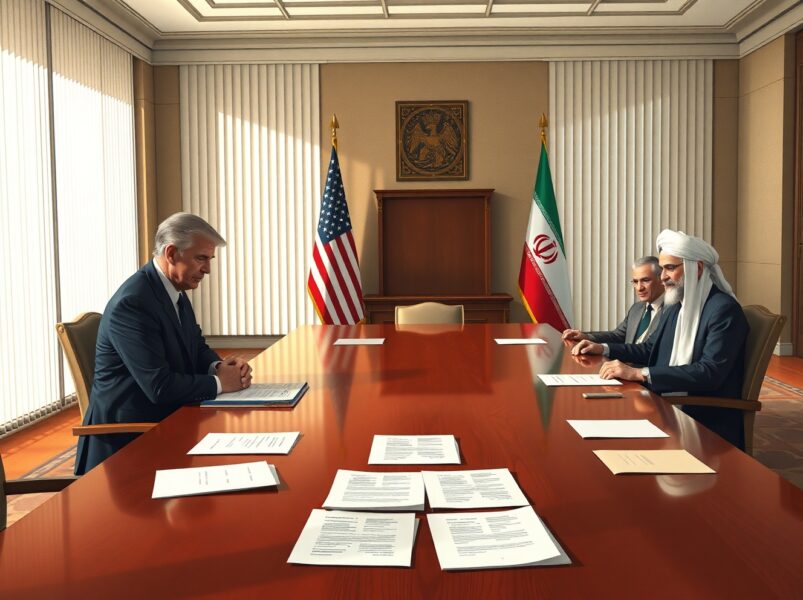
Trump’s Critical Warning: US Engages Iran’s New Regime in High-Stakes Talks, Threatens Strikes if Diplomacy Fails

Trump’s Critical Warning: US Engages Iran’s New Regime in High-Stakes Talks, Threatens Strikes if Diplomacy Fails

BitcoinWorld Trump’s Critical Warning: US Engages Iran’s New Regime in High-Stakes Talks, Threatens Strikes if Diplomacy Fails WASHINGTON, D.C. — March 15, 2025
Share
bitcoinworld2026/03/30 23:05
CME to launch Solana and XRP futures options on October 13, 2025

CME to launch Solana and XRP futures options on October 13, 2025

The post CME to launch Solana and XRP futures options on October 13, 2025 appeared on BitcoinEthereumNews.com. Key Takeaways CME Group will launch futures options for Solana (SOL) and XRP. The launch date is set for October 13, 2025. CME Group will launch futures options for Solana and XRP on October 13, 2025. The Chicago-based derivatives exchange will add the new crypto derivatives products to its existing digital asset offerings. The launch will provide institutional and retail traders with additional tools to hedge positions and speculate on price movements for both digital assets. The futures options will be based on CME’s existing Solana and XRP futures contracts. Trading will be conducted through CME Globex, the exchange’s electronic trading platform. Source: https://cryptobriefing.com/cme-solana-xrp-futures-options-launch-2025/
Share
BitcoinEthereumNews2025/09/18 01:07
If you put $1,000 in Intel at the start of 2025, here’s your return now

If you put $1,000 in Intel at the start of 2025, here’s your return now

The post If you put $1,000 in Intel at the start of 2025, here’s your return now appeared on BitcoinEthereumNews.com. Intel (NASDAQ: INTC) and Nvidia (NASDAQ: NVDA) announced a new partnership on Thursday, September 18, working on several generations of custom data center and computing chips designed to boost performance in hyperscale, enterprise, and consumer applications. As part of the collaboration, Nvidia, the undisputed leader of the semiconductor sector, will also invest $5 billion in Intel by purchasing its common stock at a price of $23.28 per share. Following the news, Intel stock jumped more than 30% in pre-market trading, while Nvidia saw a 3% uptick, a welcome change following weeks of shaky performance and controversies regarding its Chinese sales. Trading at $31.34 at the time of writing, INTC shares are up 54.99% year-to-date (YTD). INTC YTD stock price. Source: Google Accordingly, a $1,000 investment in the tech company at the start of the year would now be worth $1,549.90, giving you a return of $549.90. ‘The next era of computing’ The move follows a wave of fresh backing for the struggling Intel, including a nearly $9 billion U.S. government purchase of a 10% stake just weeks ago and a $2 billion investment from Japan’s SoftBank. As such, the deal has the potential to put Intel back into the game after years of trying to catch up not just with Nvidia but also AMD (NASDAQ: AMD) and Broadcom (NASDAQ: AVGO). “This historic collaboration tightly couples NVIDIA’s AI and accelerated computing stack with Intel’s CPUs and the vast x86 ecosystem — a fusion of two world-class platforms. Together, we will expand our ecosystems and lay the foundation for the next era of computing,” wrote Nvidia founder and chief executive officer (CEO), Jensen Huang.  However, the U.S. government’s direct involvement suggests that more is at stake than simply propping up Intel, as it likely reflects a broader concern about keeping America competitive…
Share
BitcoinEthereumNews2025/09/18 22:47

