

Citibank accused of ignoring suspicious transactions in $20 million crypto scam
PANews reported on June 26 that according to Cointelegraph, Michael Zidell, a victim of a cryptocurrency scam, sued Citibank in the Manhattan Federal Court, accusing the bank of ignoring suspicious transaction warnings, causing him to be defrauded of $20 million. The lawsuit shows that Zidell transferred money to multiple bank accounts controlled by the scammers through 43 transfers, of which nearly $4 million was transferred to the Citibank Guju Inc. company account.
This "pig killing" scam began in 2023. The scammer disguised himself as a businessman "Carolyn Parker" and induced Zidell to invest in NFT through Facebook. The complaint pointed out that Citibank did not investigate the frequent abnormal transfers of large integers, violating its anti-money laundering monitoring obligations. When Zidell discovered that the trading platform called OpenrarityPro was suddenly closed, the funds could no longer be recovered.
You May Also Like

XRP Enters ‘Washout Zone,’ Then Targets $30, Crypto Analyst Says
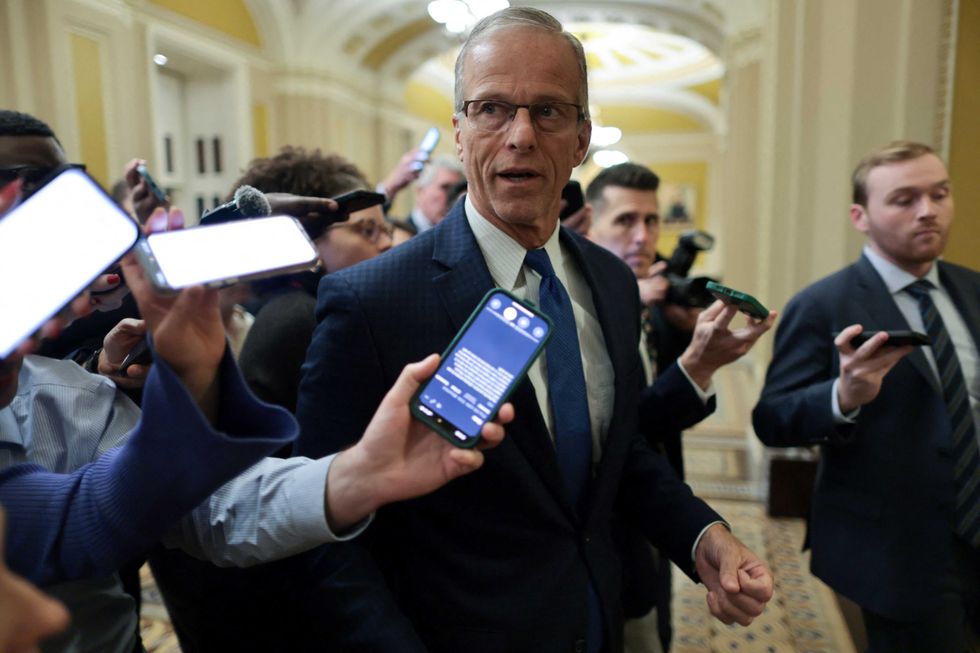
Republicans are 'very concerned about Texas' turning blue: GOP senator

Wormhole token soars following tokenomics overhaul, W reserve launch
Wormhole’s native token has had a tough time since launch, debuting at $1.66 before dropping significantly despite the general crypto market’s bull cycle. Wormhole, an interoperability protocol facilitating asset transfers between blockchains, announced updated tokenomics to its native Wormhole (W) token, including a token reserve and more yield for stakers. The changes could affect the protocol’s governance, as staked Wormhole tokens allocate voting power to delegates.According to a Wednesday announcement, three main changes are coming to the Wormhole token: a W reserve funded with protocol fees and revenue, a 4% base yield for staking with higher rewards for active ecosystem participants, and a change from bulk unlocks to biweekly unlocks.“The goal of Wormhole Contributors is to significantly expand the asset transfer and messaging volume that Wormhole facilitates over the next 1-2 years,” the protocol said. According to Wormhole, more tokens will be locked as adoption takes place and revenue filters back to the company.Read more