

Arizona governor vetoes bill to create Bitcoin Reserve from seized assets
Arizona has vetoed bill HB 2324 to create Bitcoin Reserve funded by criminal forfeiture, marking the third time the state has blocked a digital asset reserve proposal.
In a veto letter to House Speaker Steve Montenegro, Arizona Governor Katie Hobbs has blocked House Bill 2324, which aimed to establish a Bitcoin and Digital Assets Reserve Fund funded by cryptocurrencies seized through criminal forfeiture.
Initially rejected by the House on May 7, the bill was revived after a narrow 16-14 Senate vote on June 19 when Republican Senator Janae Shamp, who had previously opposed it, filed a motion to reconsider. The measure returned to the House and passed on June 24 with a 34-22 vote, proposing that seized digital assets be overseen by the State Treasurer and allocated partly to the Attorney General’s office, the state’s general fund, and the reserve fund itself.
In the veto letter, Hobbs argued that diverting these assets into a state-managed reserve fund could undermine local agencies’ willingness to participate in investigations and seizures, ultimately weakening enforcement efforts against crimes involving digital assets.
HB 2324’s veto is the third time this session Governor Hobbs has blocked a digital asset reserve proposal.
Previously, she vetoed SB 1025, which sought to permit the state to invest up to 10% of public funds in Bitcoin (BTC) or other digital assets, and SB 1373, which proposed funding a Digital Assets Strategic Reserve with seized cryptocurrencies and other appropriations.
However, Hobbs signed HB 2749 into law on May 7, establishing a reserve for unclaimed digital assets such as abandoned cryptocurrencies, airdrops, and staking rewards, managed by the Department of Revenue, thereby integrating digital assets into state finance without direct investment or reliance on criminal forfeiture funds.
You May Also Like

XRP Enters ‘Washout Zone,’ Then Targets $30, Crypto Analyst Says
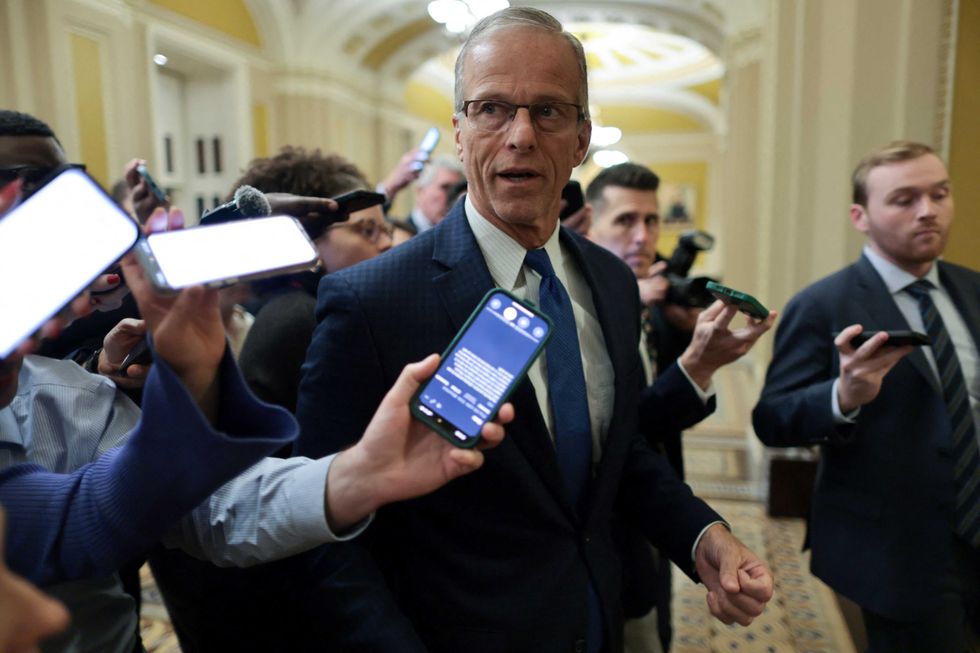
Republicans are 'very concerned about Texas' turning blue: GOP senator

Wormhole token soars following tokenomics overhaul, W reserve launch
Wormhole’s native token has had a tough time since launch, debuting at $1.66 before dropping significantly despite the general crypto market’s bull cycle. Wormhole, an interoperability protocol facilitating asset transfers between blockchains, announced updated tokenomics to its native Wormhole (W) token, including a token reserve and more yield for stakers. The changes could affect the protocol’s governance, as staked Wormhole tokens allocate voting power to delegates.According to a Wednesday announcement, three main changes are coming to the Wormhole token: a W reserve funded with protocol fees and revenue, a 4% base yield for staking with higher rewards for active ecosystem participants, and a change from bulk unlocks to biweekly unlocks.“The goal of Wormhole Contributors is to significantly expand the asset transfer and messaging volume that Wormhole facilitates over the next 1-2 years,” the protocol said. According to Wormhole, more tokens will be locked as adoption takes place and revenue filters back to the company.Read more