

Is there any hope for ETH? Make Ethereum cool again
Original: Tyler
Compiled by: Yuliya, PANews
One of the most promising blockchains in the world has encountered challenges at the peak of the cryptocurrency market boom. The Ethereum community has been through severe tests in the past few years. In 2024, the price of Bitcoin rose from $39,000 to $106,000 (2.7 times), and Ethereum rose from $2,200 to $4,000 (1.8 times). The ETH/BTC ratio is at its lowest level since the bursting of the ICO bubble in 2018.
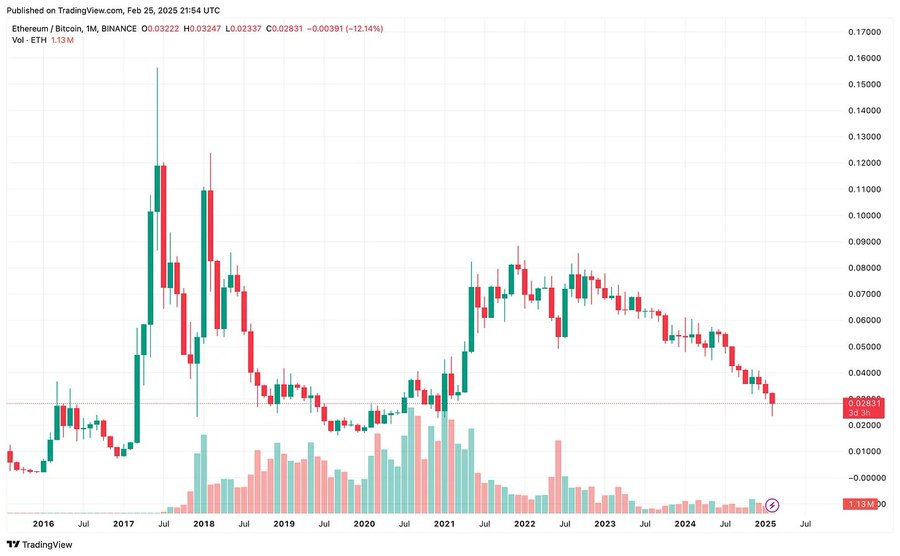
Historical ETH/BTC ratio (2016-2025)
Market trends and Ethereum’s positioning
The market currently prefers short-term speculative trading rather than long-term investment, scams are prevalent, and speculators are respected. The cyclical nature of the crypto market means that when market sentiment is overly pessimistic, fundamentals will eventually dominate the trend again. Despite the low sentiment on Crypto Twitter, the atmosphere of the Ethereum ecosystem is improving and some positive changes are brewing.
Recently, some members of the Ethereum community launched the ETHDenver brand hackathon, hoping to reshape the market image of Ethereum through crowdsourcing marketing concepts and promote spontaneous publicity of the ecosystem. This initiative led to the emergence of the Ethereum marketing group on Telegram, aiming to make up for the lack of market publicity for Ethereum.
From the first principles, the core value of blockchain lies in decentralization, otherwise its efficiency is not as good as that of centralized databases. The charm of blockchain lies in its immutability, credible neutrality, unstoppable and anti-censorship characteristics, and these characteristics depend on the trade-off of decentralization.
The Scalability Trilemma was a hot topic of discussion from 2016 to 2020, but nowadays, the Scalability Trilemma is rarely mentioned.
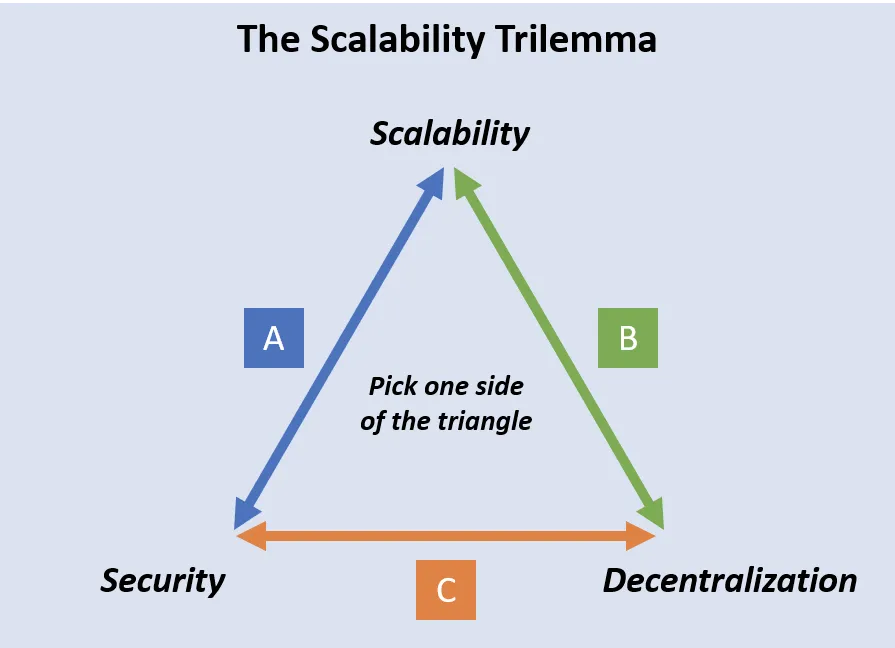
The theory states that only two of the three aspects of scalability, security, and decentralization can be achieved at the same time. Most competing L1 blockchains sacrifice decentralization and security in order to improve scalability. In other words, they become more centralized.
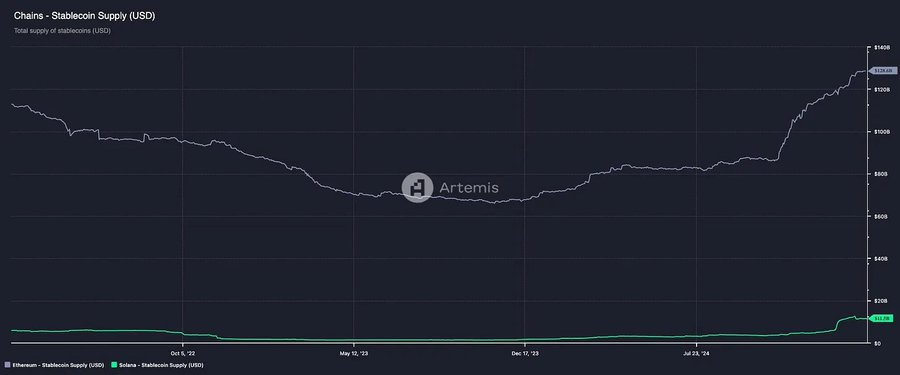
In contrast, Ethereum has stuck to decentralization, which seems to be a wise choice overall. Although the market currently does not value decentralization, users clearly value it. For example, in terms of stablecoin TVL, Ethereum still far exceeds Solana.
The Rollup solution can 100% inherit the basic security of Ethereum and expand the network size through L2 or economic zones. Bitcoin plans to expand through Rollup solutions such as BitVM and BitVM2, and Ethereum's expansion path is clearer. If Solana reaches maximum capacity at the base layer, they will also need to use L2 for expansion.
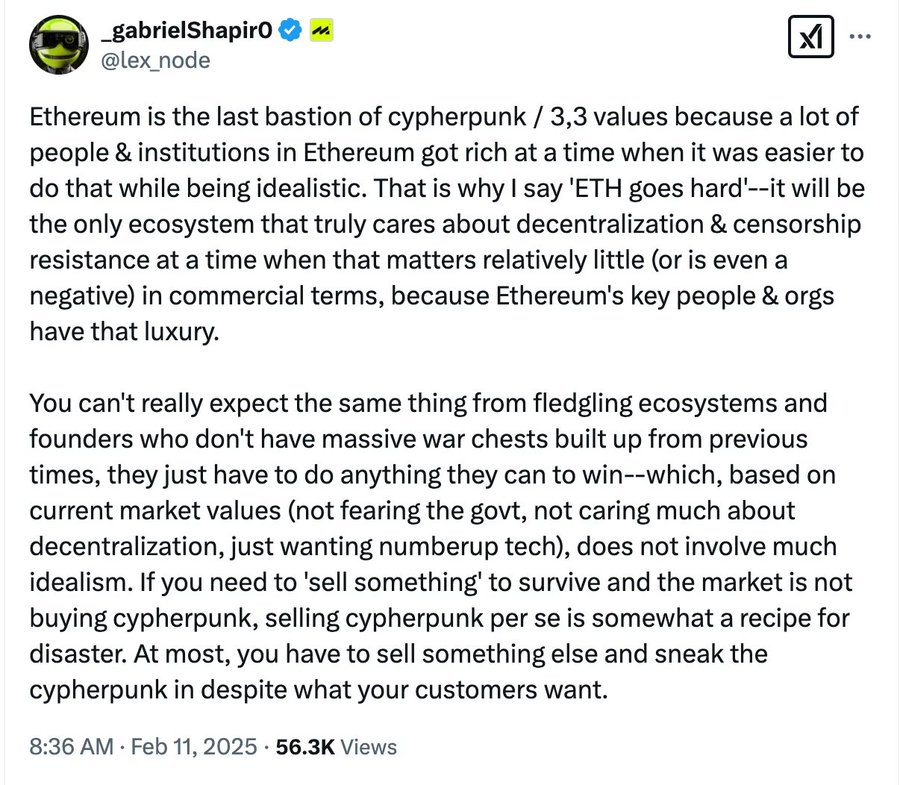
Ethereum represents all cypherpunks in that it represents a vision that is true to its mission rather than a speculative casino.
How will Ethereum win?
What are the problems with Ethereum at the moment? If its mission is so great, why is it not reflected in the price? The problem Ethereum is currently facing is how to interact with those crypto areas that it has historically despised (such as the attention economy, Meme, radical marketing, etc.) while sticking to its ideals.
After the ICO bubble, Ethereum’s leadership understandably distanced itself from anything that could damage its credibility. The focus shifted to “serious” use cases like DeFi, while cultural phenomena like memes were largely ignored and dismissed. But in the process, Ethereum lost cultural ground to public chains like Solana that embraced these elements.
Ethereum can more actively shape its own culture and promote the development of projects that align with its values. It’s time to make Ethereum cool again.
1. Make Ethereum cool again
Ethereum needs to re-embrace cypherpunk culture and reclaim its early rebellious spirit. Vitalik’s best move was to use the Milady avatar, which was highly symbolic. The organization behind Milady, Remilia, dominates crypto Twitter culture, advocating the cypherpunk endgame and realizing that cryptocurrency is more than just technology — it is a synthesis of politics, economics, computer science, memetics, philosophy, governance, and art. Miladys are cool and edgy, pushing the boundaries of social acceptability in the name of maintaining online freedoms (such as free speech).
Ethereum’s leadership’s political stance is often criticized for being seemingly out of touch with user needs, and once a business loses resonance with users, it will be difficult for it to succeed.
Why can a subculture like Milady surpass Ethereum itself in influence? The core problem is that Ethereum lacks strong cultural shaping and leadership and is too passive. The best founders are fighting side by side with users and deeply understand their pain points.
Just study how @charlottefang77 actively delivers dynasty thinking (with the goal of elevating community status and reinforcing values) and creates conversations that can be understood by all Milady community members, regardless of status, IQ, or technical background. The ability to communicate with all levels of the community is powerful.
The Ethereum Foundation has not even actively used major DeFi protocols in the past, showing its lag in ecological construction. Compared with political discussions, Ethereum should return to the cypherpunk ideology and reproduce the rebellious spirit of the early cryptocurrency. This is not only a technological revolution, but also requires cultural and philosophical support, so that Ethereum can truly win the future.
Solana has won market recognition because of its clear identity and concept: fast and cheap. They embrace KOL and Meme culture, dare to promote themselves/products/concepts, and strive to gain market share. In the current environment, "either lead public opinion or be led by public opinion", the best way is to defeat competitors with better ideas.
Ethereum should not be afraid of competition, but should fully support outstanding projects and communities on the chain, whether it is Meme coins, DeFi applications or NFT projects - the customer is always right.
2. Embrace modern media and the power of memes
Ethereum has few allies in the media and social platforms, which are becoming increasingly important. Ethereum has not yet formed a systematic media cooperation strategy, while Solana actively embraces the media and KOLs. For example, @DegenerateNews is a neutral news account on the surface, but in fact it keeps publishing good news about Solana. In addition, Blockworks also seems to be more biased towards Solana. This strategy is successful for Solana, but unfavorable for Ethereum.
The Ethereum community is migrating to Farcaster, which is a long-term strategy, but in the short term will lead to a decline in influence on X (Twitter). Farcaster has not yet attracted mainstream users, and Ethereum still needs to prioritize maintaining the public opinion position on X, otherwise its influence will decline further.
3. Identify the competitive landscape
Ethereum not only has to face Solana, but also has to compete with Bitcoin L2. Bitcoin emphasizes currency attributes, and Solana emphasizes technical advantages, so what is the positioning of Ethereum?
In fact, Ethereum’s core value proposition – decentralization – still has strong advantages, but the market does not understand it clearly enough. Solana is favored for its excellent user experience, mainly due to two factors:
- The Phantom wallet is widely praised and is considered the easiest wallet to use.
- Solana has only one chain, and users do not need to bridge assets between multiple L2s.
In contrast, although the concept of Ethereum's Account Abstraction has been proposed for many years, no wallet has yet been able to truly shield L2 differences and allow all USDC/USDT to circulate seamlessly on different L2s. If Ethereum wants to improve the user experience, it must simplify L2 interactions to make its experience closer to the main network.
4. Strengthening ecosystem cooperation
Does Ethereum have a truly effective incubator? Although Consensys is seen as a supporter of the Ethereum ecosystem, it has failed to promote the project in a bottom-up manner. In contrast, DeFi Alliance's support for Solana is more systematic. So, how can Ethereum provide support for potential projects? If no organization takes on this responsibility, decentralization may become a disadvantage.
5. Establish a unified information hub
The Ethereum website is actually quite good, but ironically, this is exactly the problem. In an era where social media dominates information dissemination, it is a bit silly to expect users to browse FAQs. Ethereum needs a unified information platform, such as a decentralized application store, and ensure that this information is spread on social platforms to reach users directly.
In the long run, the ideal situation is that users can use Ethereum without noticing, just like the infrastructure of the Internet, but waiting for companies such as Apple to integrate is not the best solution. Ethereum needs to take the initiative to advance.
Ethereum Branding
The Ethereum community needs a simple sentence to describe the function of Ethereum. In the dissemination of information, memes play a decisive role. Just like the "digital gold" meme of Bitcoin, people can immediately understand its meaning. The answer to this question will guide the development direction of the Ethereum brand hackathon. Here are some evaluations of brand slogans:
- “Web1: Read, Web2: Write, Web3: Own” — Good starting point, but too long.
- "World Computer" - The concept is not intuitive enough and may not resonate with people. People usually think of computers as laptops or desktops in front of them. The concept of "world computer" is difficult to understand: is it just a particularly large computer?
- "Digital Oil" - Although it seems to be imitating "digital gold", it does convey the functionality of ETH very well, indicating that the value of ETH comes from its practicality and status as a currency in the digital economy, but it is too dependent on the framework of Bitcoin to become a dominant meme.
- The “Internet of Money” — the IoT concept mainly resonates with engineers but is too abstract and difficult for ordinary users to understand.
- “People’s Internet” - good concept, but still too abstract.
- “Incentivized Open Source Software” — This meme works best with VCs and investors who understand that open source software is changing the world but need a model to understand how tokens and cryptocurrencies fit into it. It’s hard for regular users to resonate.
- “Global settlement layer” — may be suitable for traders and funds, but will be difficult to popularize.
- “Ethereum - The Internet You Can Own” — This statement has the most potential. It meets all the requirements: the value proposition is explained, it is easy to understand, and it resonates universally. People know the Internet, they know that the world's largest technology companies are valuable, what if they could own the Internet itself and buy "equity" in it? The Internet is getting stronger and more popular every year. "Ethereum - The Internet You Can Own" tries to strike a balance between promoting technology and the ETH asset.
Things to note when redesigning your logo
1. Be careful when using "≡thereum". Most ordinary users will read it as "thereum". For example, "Built on ≡thereum" may cause confusion.
2. Avoid being too cyberpunk to alienate regular users
3. Don’t be too “awakened” because Ethereum focuses more on value delivery and technical capabilities rather than social ideology.
Intel Inside revelation: Ethereum's brand and market strategy
Intel Inside is a classic case study not just because of branding, but because of the subsequent marketing strategy that made the whole plan successful. For Ethereum to achieve similar success in branding, both branding and marketing must be considered.
The core of the Intel Inside program is to work with computer manufacturers (OEMs) to display the Intel Inside logo on their products, thereby signaling to consumers that the devices use high-quality, cutting-edge processors. Intel not only provides the logo, but also incentivizes manufacturers to adopt this branding strategy through subsidies. In 1992, more than 500 manufacturers had joined the program, and 70% of related advertisements displayed the Intel Inside logo. By 2001, Intel invested $1.5 billion (about $2.69 billion in today's value) each year in the program to make its brand popular.
It is worth noting that Intel adopts a strict brand management mechanism, requiring all partners' advertisements to comply with brand standards, and even has a 100-page brand usage specification. Any violation will result in the revocation of subsidies or even loss of cooperation qualifications. This decisive market strategy has made Intel a benchmark in the industry and ensured that its brand occupies a dominant position in the minds of consumers.
Ethereum’s brand strategy
If the Intel Inside model is applied to the Ethereum ecosystem, DApp is equivalent to OEM, and Ethereum is equivalent to Intel's chip. In order to expand its brand influence, Ethereum may need to invest resources comparable to Intel's and adopt a more powerful execution strategy.
A key question is: if Intel won’t subsidize OEMs that also use competing chips, should Ethereum subsidize applications that support multiple chains simultaneously?
Currently, long-time Ethereum allies such as MakerDAO/Sky, Uniswap, and Aave have adopted a multi-chain deployment strategy. Does this mean that they need to be more "Ethereum-aligned" in their brand cooperation plans? If so, how to define this degree of alignment? These issues require in-depth discussion and consensus from the community.
ETHDenver Branded Hackathon Submissions
In this brand hackathon, the team proposed a solution of designing a brand logo similar to Intel Inside and combining it with a marketing plan.
- The logo can be used as a brand asset, requiring applications to display it prominently in the UI interface in exchange for support provided by the program.
- The core message is: applications are built on Ethereum and inherit Ethereum's decentralized trust properties.
- The logo design takes into account both technical and asset attributes, retaining the classic Ethereum visual elements while incorporating one of the most influential ETH narratives – “The Internet You Can Own ”, and adding “Powered by Ethereum” to enhance brand communication.
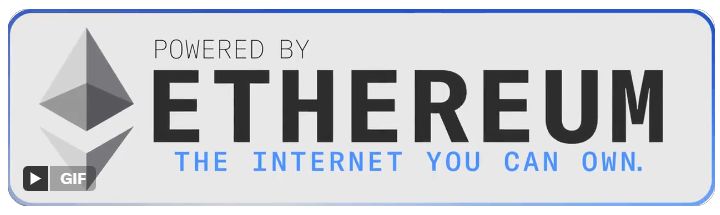
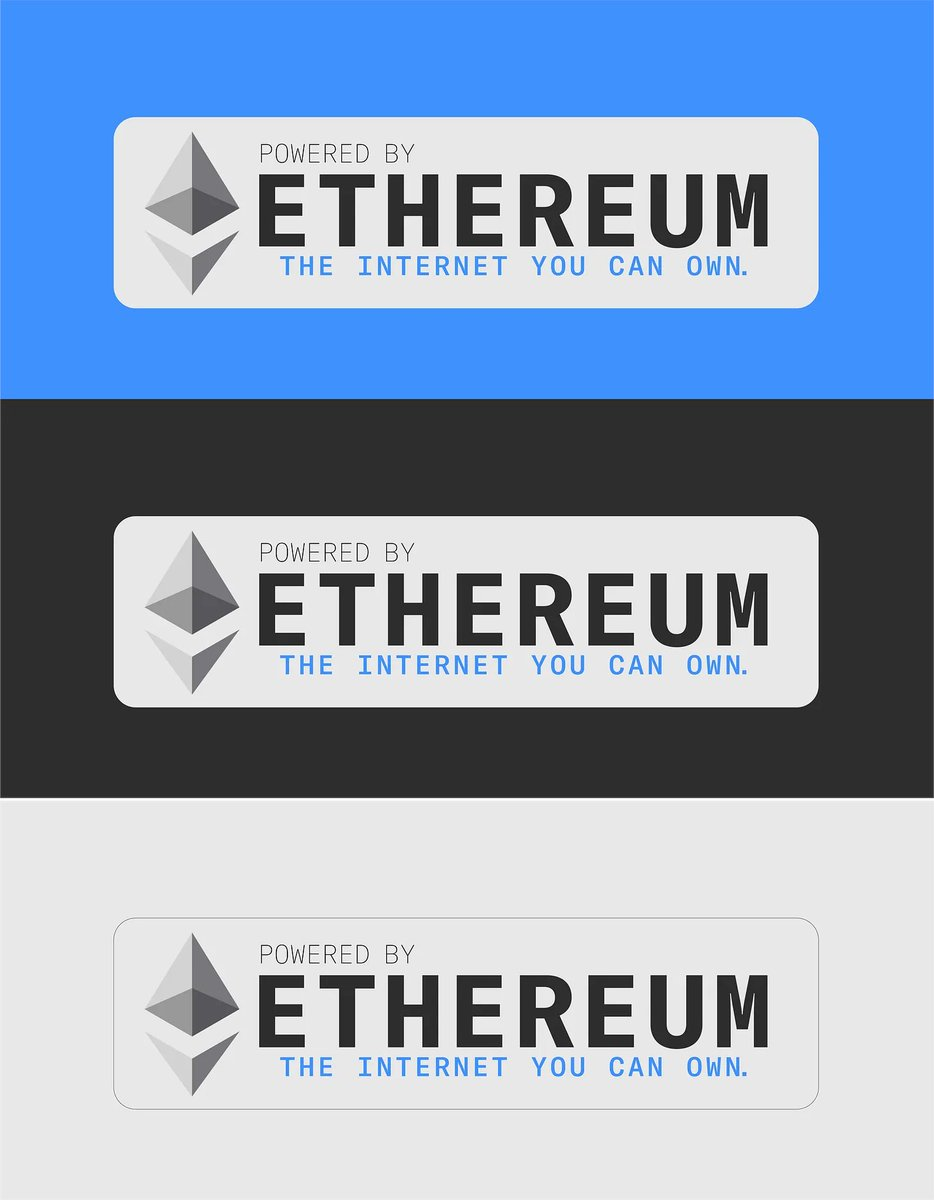
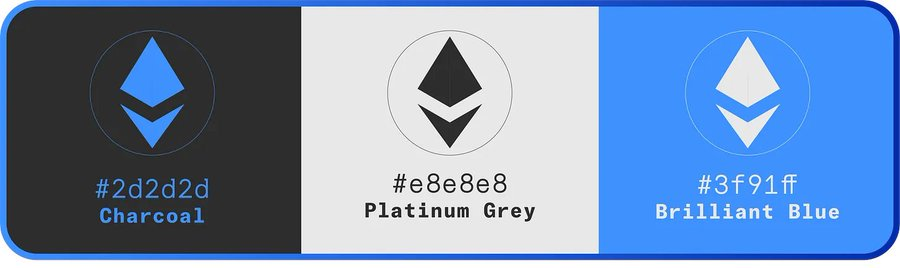
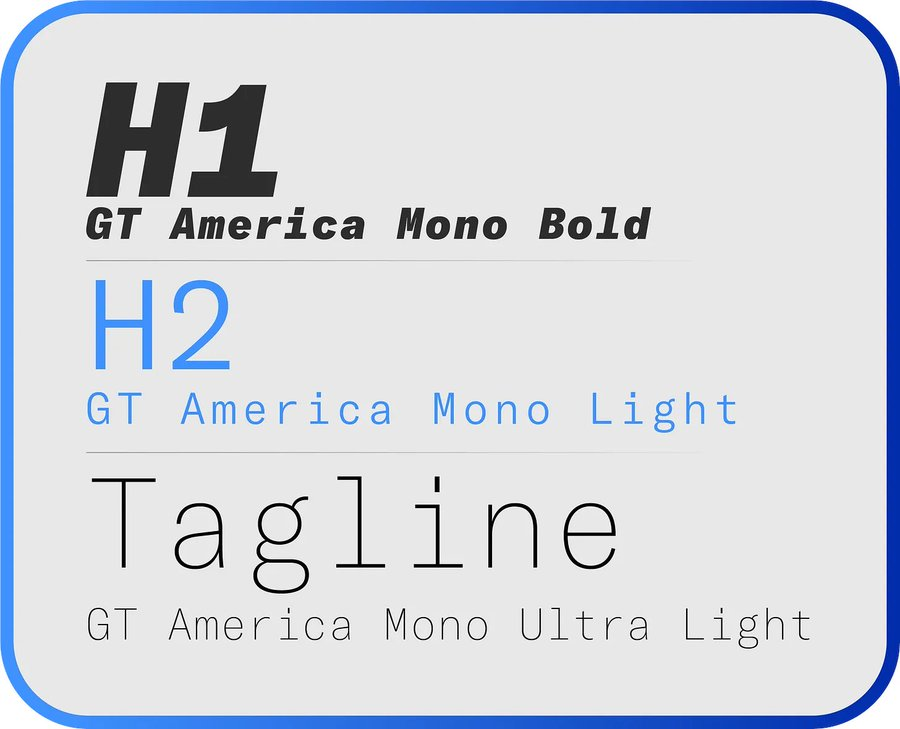
Designed by @pdes_igns
In addition, marketing promotion also requires a corresponding organizational structure, such as an accelerator, alliance or a dedicated BD team, to ensure the execution of the promotion plan. Ethereum can learn from Intel's cooperation model, providing resource support and establishing clear entry standards to avoid dilution of brand assets.
in conclusion
The most important revelation is that Ethereum needs to take practical brand promotion measures to promote joint marketing plans for the entire ecosystem. Otherwise, DApps may become independent after reaching a certain stage of development, or even break away from Ethereum, thus weakening its ecological value. Ethereum should take proactive measures to encourage projects within the ecosystem to maintain a consistent vision, rather than relying on the market's spontaneous alignment.
Historically, the social giant Myspace has been eliminated, and the once popular Bored Ape has gradually lost its market popularity. The establishment of a millennial dynasty is inseparable from the support of the tribe. It is time for Ethereum to show its strength.

You May Also Like

The Role of Blockchain in Building Safer Web3 Gaming Ecosystems
- Immutable Ownership of Assets Blockchain records can be manipulated by anyone. If a player owns a sword, skin, or plot of land as an NFT, it is verifiably in their ownership, and it cannot be altered or deleted by the developer or even hacked. This has created a proven track record of ownership, providing control back to the players, unlike any centralised gaming platform where assets can be revoked.
- Decentralized Infrastructure Blockchain networks also have a distributed architecture where game data is stored in a worldwide network of nodes, making them much less susceptible to centralised points of failure and attacks. This decentralised approach makes it exponentially more difficult to hijack systems or even shut off the game’s economy.
- Secure Transactions with Cryptography Whether a player buys an NFT or trades their in-game tokens for other items or tokens, the transactions are enforced by cryptographic algorithms, ensuring secure, verifiable, and irreversible transactions and eliminating the risks of double-spending or fraudulent trades.
- Smart Contract Automation Smart contracts automate the enforcement of game rules and players’ economic exchanges for the developer, eliminating the need for intermediaries or middlemen, and trust for the developer. For example, if a player completes a quest that promises a reward, the smart contract will execute and distribute what was promised.
- Anti-Cheating and Fair Gameplay The naturally transparent nature of blockchain makes it extremely simple for anyone to examine a specific instance of gameplay and verify the economic outcomes from that play. Furthermore, multi-player games that enforce smart contracts on things like loot sharing or win sharing can automate and measure trustlessness and avoid cheating, manipulations, and fraud by developers.
- Cross-Platform Security Many Web3 games feature asset interoperability across platforms. This interoperability is made viable by blockchain, which guarantees ownership is maintained whenever assets transition from one game or marketplace to another, thereby offering protection to players who rely on transfers for security against fraud. Key Security Dangers in Web3 Gaming Although blockchain provides sound first principles of security, the Web3 gaming ecosystem is susceptible to threats. Some of the most serious threats include:

Vitalik Buterin Challenges Ethereum’s Layer 2 Paradigm
