

Seized Bitcoin to Bolster US Digital Asset Reserve in Groundbreaking Treasury Strategy
BitcoinWorld
Seized Bitcoin to Bolster US Digital Asset Reserve in Groundbreaking Treasury Strategy
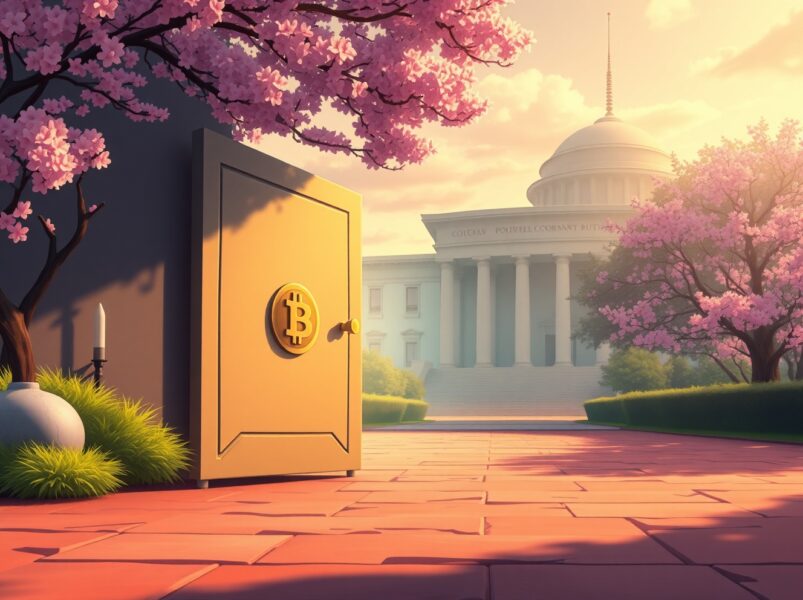
WASHINGTON, D.C. – In a landmark announcement on Tuesday, U.S. Treasury Secretary Scott Bessent revealed a transformative strategy to incorporate seized Bitcoin into a newly established digital asset reserve, fundamentally altering the government’s approach to cryptocurrency holdings and signaling a significant evolution in national financial policy.
Seized Bitcoin Integration Marks Historic Treasury Shift
Secretary Bessent’s declaration represents a substantial departure from previous government cryptocurrency practices. Historically, federal agencies auctioned seized digital assets through platforms like the U.S. Marshals Service. Consequently, this new approach retains Bitcoin within government control. The Treasury Department plans to create a specialized digital asset reserve framework. This framework will manage cryptocurrency holdings with enhanced security protocols.
Government seizures of Bitcoin have increased dramatically in recent years. For instance, the Department of Justice reported confiscating over $3.36 billion in cryptocurrency during 2023 alone. Furthermore, the Internal Revenue Service Criminal Investigation division seized approximately $10 billion in digital assets between 2019 and 2023. These statistics highlight the growing volume of cryptocurrency entering government custody.
Digital Asset Reserve Framework Development
The Treasury Department has spent eighteen months developing this reserve system. Multiple federal agencies collaborated on the project. The Financial Crimes Enforcement Network provided regulatory guidance. Simultaneously, the Office of the Comptroller of the Currency contributed banking expertise. The reserve will operate under strict compliance standards.
Key components of the digital asset reserve include:
- Multi-signature wallet infrastructure requiring multiple authorized personnel for transactions
- Real-time audit capabilities providing transparent tracking of all holdings
- Cold storage protocols ensuring maximum security for the majority of assets
- Compliance monitoring systems that automatically flag regulatory concerns
This infrastructure represents the most sophisticated government cryptocurrency management system globally. Additionally, it establishes new standards for public sector digital asset security.
Expert Analysis of Treasury’s Strategic Move
Financial policy experts recognize multiple strategic advantages in this approach. Dr. Eleanor Vance, former Federal Reserve economist and current director of the Digital Finance Institute, explains the rationale. “The Treasury Department achieves several objectives simultaneously,” she notes. “First, they eliminate market disruption from large-scale Bitcoin auctions. Second, they establish the United States as a major cryptocurrency holder. Finally, they create a potential strategic reserve for future financial innovations.”
Comparative analysis reveals how other governments handle seized cryptocurrency:
| Country | Seizure Policy | Disposition Method | Estimated Holdings |
|---|---|---|---|
| United States | New Reserve System | Long-term holding in digital asset reserve | 194,000+ BTC (estimated) |
| United Kingdom | Case-by-case | Regular auctions through authorized platforms | Minimal retained holdings |
| Germany | Federal holding | Partial sales with some retained assets | Approximately 50,000 BTC |
| El Salvador | National treasury | Strategic national reserve accumulation | 5,700+ BTC |
This comparative data illustrates the United States’ increasingly sophisticated approach to state-held cryptocurrency.
Legal and Regulatory Implications
The Treasury’s announcement follows extensive legal review. Congressional committees examined the proposal throughout 2024. The House Financial Services Committee held three hearings specifically addressing digital asset reserves. Legal experts confirm the Treasury’s authority under existing statutes. The Bank Secrecy Act provides foundational authority. Additionally, the USA PATRIOT Act includes relevant provisions.
Regulatory agencies have coordinated their response. The Securities and Exchange Commission issued clarifying guidance. Meanwhile, the Commodity Futures Trading Commission established monitoring protocols. This interagency cooperation ensures comprehensive oversight. The Government Accountability Office will conduct annual audits. These audits will verify proper management of the digital asset reserve.
Market Impact and Financial System Considerations
Financial markets responded cautiously to the announcement. Bitcoin prices showed minimal immediate fluctuation. However, analysts predict longer-term effects. Michael Chen, chief strategist at Blockchain Analytics Group, explains the potential impacts. “The Treasury’s decision reduces selling pressure from government auctions,” he observes. “This could provide price support during market downturns. Additionally, it signals institutional validation of Bitcoin as a reserve asset.”
The Federal Reserve has monitored these developments closely. Chairman Jerome Powell previously acknowledged cryptocurrency’s growing role. “Digital assets represent an evolving component of the financial landscape,” he stated during recent testimony. “The Treasury’s approach provides valuable data for broader monetary policy considerations.”
Security and Technological Implementation
The Treasury Department prioritized security in designing the reserve system. Cybersecurity experts from multiple agencies contributed to the design. The National Security Agency reviewed encryption protocols. Similarly, the Cybersecurity and Infrastructure Security Agency tested vulnerability points. The resulting system incorporates military-grade security measures.
Implementation will occur in three distinct phases:
- Phase One (2025 Q2): Transfer existing seized Bitcoin to secure cold storage
- Phase Two (2025 Q4): Activate monitoring and compliance systems
- Phase Three (2026 Q2): Integrate with Treasury Department financial reporting
This phased approach ensures systematic implementation. Each phase includes comprehensive testing protocols. Independent security firms will verify system integrity. These measures address potential concerns about government cryptocurrency management.
Conclusion
The Treasury Department’s plan to incorporate seized Bitcoin into a digital asset reserve represents a pivotal moment in cryptocurrency history. This strategic decision transforms how governments interact with digital assets. It establishes new standards for public sector cryptocurrency management. Furthermore, it positions the United States at the forefront of financial innovation. The digital asset reserve will likely influence global cryptocurrency policies. International observers will monitor its implementation closely. This initiative demonstrates the evolving relationship between traditional finance and emerging digital assets. The seized Bitcoin integration marks a significant step toward institutional cryptocurrency adoption.
FAQs
Q1: How much Bitcoin does the U.S. government currently hold in seizures?
The exact amount fluctuates with ongoing investigations and forfeitures, but estimates based on Department of Justice reports suggest holdings exceeding 194,000 Bitcoin, valued at approximately $13 billion at current prices.
Q2: Will the Treasury Department’s digital asset reserve include cryptocurrencies other than Bitcoin?
Secretary Bessent’s announcement specifically referenced Bitcoin, but Treasury officials have indicated the reserve framework could potentially accommodate other major cryptocurrencies seized in future law enforcement actions, pending regulatory review.
Q3: How will this affect Bitcoin’s market price and volatility?
Financial analysts suggest that removing large government auctions from the market could reduce selling pressure during market downturns, potentially decreasing volatility, though multiple factors influence cryptocurrency prices.
Q4: What legal authority allows the Treasury Department to create a digital asset reserve?
The Treasury cites authority under existing statutes including the Bank Secrecy Act, the USA PATRIOT Act, and general Treasury authorities regarding management of government assets, with additional specific legislation potentially proposed for congressional consideration.
Q5: How will the government ensure the security of these Bitcoin holdings?
The Treasury Department has developed a multi-layered security approach involving military-grade encryption, multi-signature wallet requirements, extensive cold storage protocols, and continuous monitoring by cybersecurity experts from multiple federal agencies.
This post Seized Bitcoin to Bolster US Digital Asset Reserve in Groundbreaking Treasury Strategy first appeared on BitcoinWorld.
You May Also Like

Wormhole launches reserve tying protocol revenue to token

Kalshi debuts ecosystem hub with Solana and Base
