Trends that will rev up India’s EV landscape in 2026
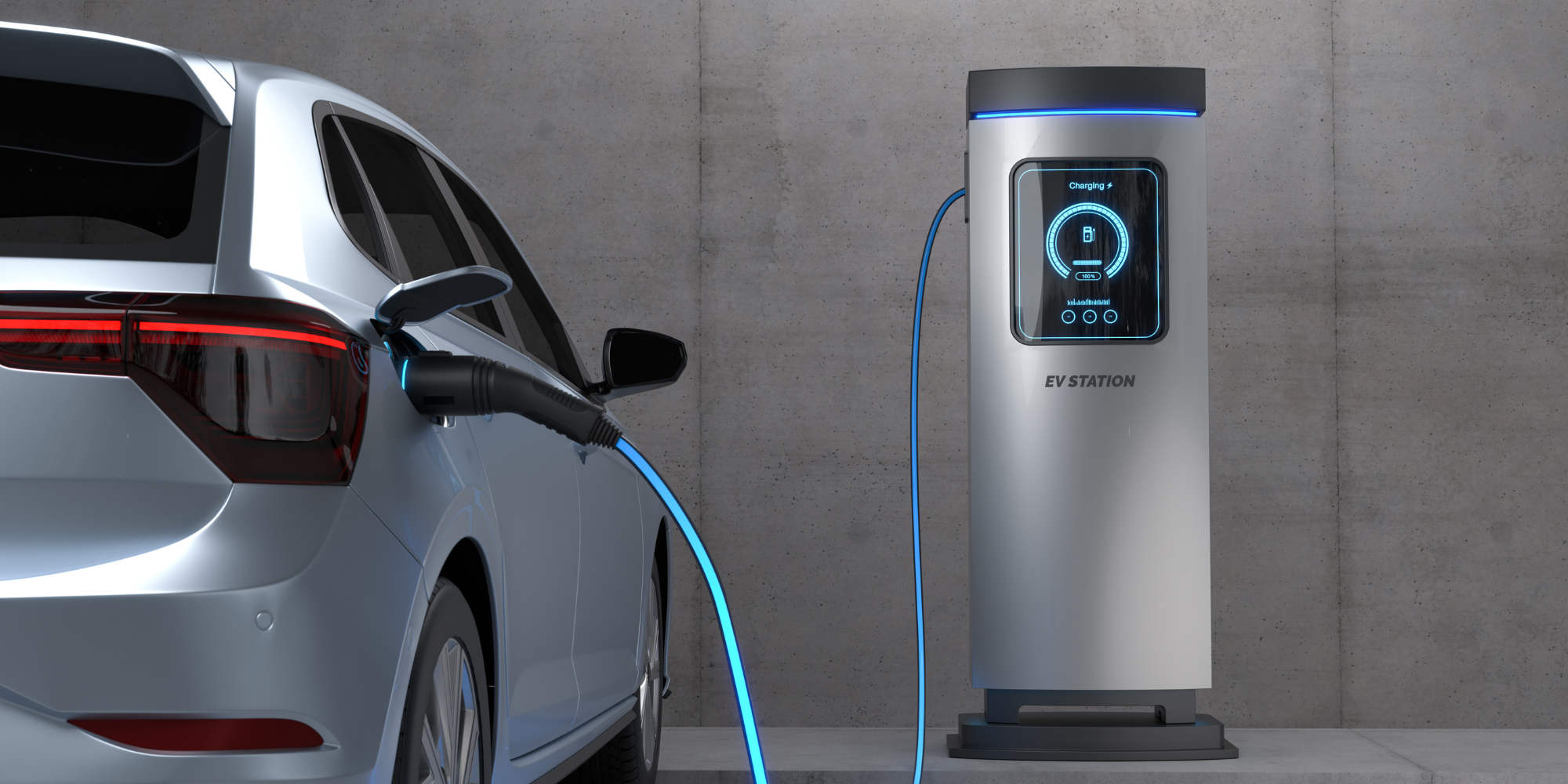
While India's public EV charging network has grown rapidly, the actual number of reliably functional chargers is much lower than the total installed count. Over the last three years, the number of public chargers has grown more than fivefold, crossing the 30,000-mark nationwide. Cities like Delhi, Bangalore, and Chennai are installing new stations every week.
And yet, utilisation remains painfully low. According to industry reports, less than 10% of chargers are being used regularly. The year 2026, thus, becomes the critical year to close this gap and build an ecosystem that works as smoothly in practice as it does on paper.
Why the outlook remains strong
Supported by subsidies, increased awareness, and new product launches, the EV sector has grown rapidly since FY2022. Factors like improved product choices, better charging infrastructure, more financing options, and lower battery prices are set to drive further expansion. The government is encouraging EV development through a multi-faceted approach. The PM e-Drive scheme includes investments in electrifying mass transport, building charging and testing facilities, and demand incentives for certain automotive segments. This has boosted investor confidence and momentum in the sector.
Trends that will define the EV ecosystem in 2026
- Smart charging goes mainstream: EVs often charge in clusters- at depots, offices, and residential societies, placing sudden strain on local grids. Smart charging enables load shifting to solar hours, uses time-of-day pricing signals, prevents transformer overloads, and reduces the need for expensive grid upgrades. Globally, managed charging has proven to be the most cost-effective way to integrate EVs at scale. In 2026, it will move from pilot projects to policy-backed adoption. At the same time, continued battery price declines will further narrow the total cost-of-ownership gap between EVs and internal combustion vehicles, accelerating mass adoption.
- Charging infrastructure gets serious: Despite rapid growth, charger density in India remains uneven. Dedicated spaces for public charging are still limited, and power availability often restricts fast-charging deployment. The enhanced focus on infrastructure creation under PM e-Drive is therefore timely. In 2026, success will be measured not by installation numbers, but by coverage, power capacity, and utilisation rates.
- Freight electrification takes off: The next major wave of electrification will come from freight. From last-mile delivery vans to heavy-duty trucks, logistics players are increasingly driven by decarbonisation targets, predictable routes, and improving economics. Scaling freight electrification will require close collaboration between fleet operators, charging providers, technology platforms, and regulators- but the foundations are now firmly in place.
- Charging to move beyond a passive business: Until now, EV charging in India has been treated as a passive play. By 2026, charging will evolve into a grid-aware, demand-responsive energy service rather than a static asset- rewarding operators who can orchestrate utilisation, pricing, and power intelligently.
- Reliability becomes the new currency: Availability is no longer enough. EV users expect accurate real-time charger status, seamless authentication, and successful payments every time. Uptime guarantees, remote monitoring, and API-based integrations will become standard. Reliability will demand shared accountability across OEMs, charge point operators, discoms, installers, and fleet operators.
- India’s ‘UPI Moment’ for charging: Today’s charging experience remains fragmented, with multiple apps, wallets, and protocols. India is uniquely positioned to leapfrog this complexity. A UPI-powered scan-and-charge model can make EV charging as simple as any digital payment. States such as Delhi, Karnataka, and Maharashtra are already supporting frictionless charging as a policy priority. India could become the first country with a universal charging payment layer.
- The next EV wave comes from Bharat: While metros led early adoption, Tier 2 and Tier 3 cities will drive the next EV wave—especially in commercial mobility. Two- and three-wheelers will become essential for delivery, ecommerce, and passenger transport in smaller cities, accelerating demand for interoperable and affordable charging solutions.
The road ahead
EV users demand uncompromised safety, reliability, and transparency. To meet this, India must intensify efforts to become a competitive manufacturing hub by increasing domestic value addition, localising critical components, and investing in R&D for sectors like semiconductors, electronics, EVs, and renewables. Building a skilled workforce for EV infrastructure is essential. The road to profitability for the industry remains long. Achieving industry profitability will require timely funding for start-ups to strengthen competitiveness.
Edited by Jyoti Narayan
You May Also Like

Is Doge Losing Steam As Traders Choose Pepeto For The Best Crypto Investment?

What is the latest news about cryptocurrency? — Market snapshot Jan 23, 2026