

Senator Shelves Card Fee Fight to Save Crypto Bill From Collapse – Will It Pass Now?
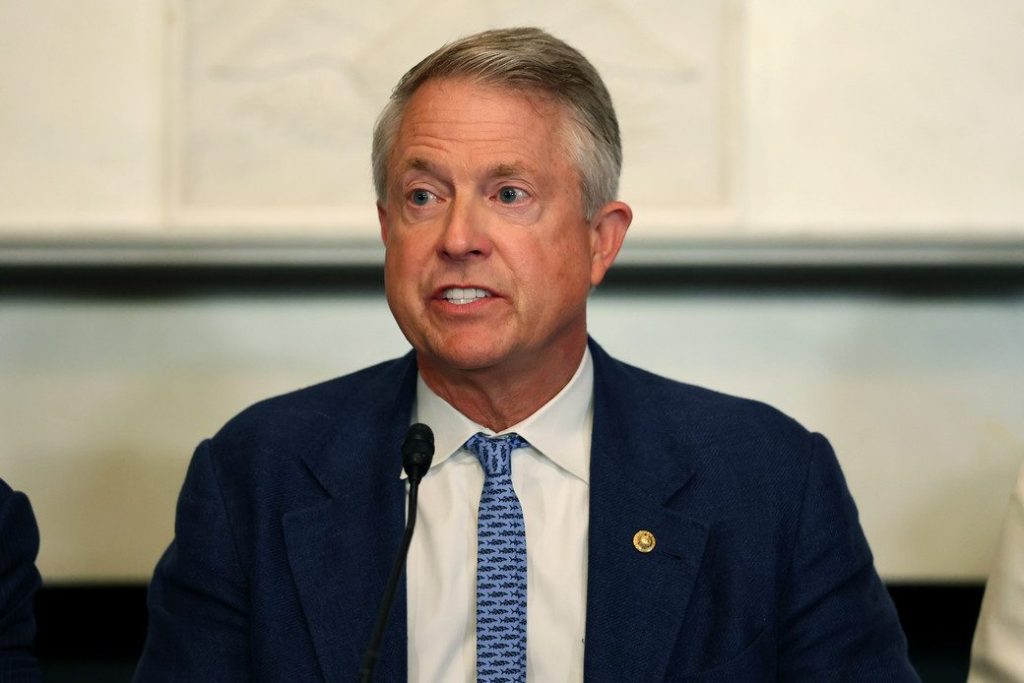
Senator Roger Marshall has agreed not to offer a controversial credit card swipe fee amendment during Thursday’s Senate Agriculture Committee markup of landmark crypto legislation, removing a major obstacle that threatened to derail the bill’s passage.
The Kansas Republican filed the amendment last week seeking to force payment networks to compete on swipe fees, mirroring his longstanding Credit Card Competition Act co-sponsored with Senator Dick Durbin.
However, Marshall agreed in private Saturday conversations not to call up the provision, which had pitted the finance industry against major retailers and jeopardized support from Republicans expected to back the underlying digital asset legislation, according to Politico.
 Source: Politico
White House Clears Internal Obstacle as External Threats Mount
White House officials became directly involved in preventing the amendment’s consideration, with one source confirming the Marshall provision would have “jeopardized” passage of the crypto bill the administration is pressing to advance through committee.
Durbin, who co-sponsored the credit card measure alongside Senator Peter Welch, is not currently expected to offer the amendment at the markup, though no final decision has been made.
While the credit card dispute now appears resolved, the Thursday markup faces a potentially more serious threat from Washington’s looming budget crisis.
Congress is racing toward a partial government shutdown deadline this weekend, with Senate Democrats blocking a $1.3 trillion appropriations package following a deadly Minneapolis shooting by a Border Patrol agent.
The standoff threatens to furlough hundreds of thousands of federal workers and could disrupt the legislative calendar just as crypto legislation reaches a critical juncture.
Former Utah Governor Gary Herbert called the shutdown threat evidence of “a lack of leadership, a lack of ability to work together.“
Agriculture Bill Advances Despite Partisan Fractures and Timing Risks
Despite these challenges, the Agriculture Committee’s markup represents the first formal Senate vote on comprehensive legislation to reform the crypto market structure after months of delays across multiple committees.
The bill would expand the Commodity Futures Trading Commission’s authority over digital commodities, including Bitcoin, though Chairman John Boozman released the text without securing Democratic support after bipartisan negotiations collapsed.
“Although it’s unfortunate that we couldn’t reach an agreement, I am grateful for the collaboration that has made this legislation better,” Boozman said, acknowledging that “differences remain on fundamental policy issues.“
The committee’s decision to proceed reflects growing urgency as alternative legislative paths have stalled.
The Agriculture Committee’s legislation has become the primary vehicle for crypto regulation after the Senate Banking Committee postponed its parallel CLARITY Act until late February or March, instead pivoting to housing legislation following President Trump’s affordability push.
Banking’s bill stalled after Coinbase CEO Brian Armstrong withdrew support over restrictions on tokenized equities and stablecoin rewards, calling certain provisions “catastrophic.”
Trump Pushes for Passage as Democrats Demand Ethics Guardrails
President Trump confirmed at Davos that he expects to sign crypto market structure legislation “very soon,” stating his administration is working to ensure “America remains the crypto capital of the world.“
His public pressure comes as Democratic opposition has intensified over ethics concerns, with Senator Adam Schiff demanding controls covering the White House and Senator Ruben Gallego calling ethics guardrails “a red line.“
Beyond partisan divisions, the Thursday markup must navigate the same budget crisis threatening to shut down parts of the federal government.
If Congress fails to pass the appropriations package by Saturday, agencies including DHS and the Pentagon would enter shutdown mode, potentially delaying legislative business and forcing senators to prioritize budget negotiations over crypto regulation.
Patrick Witt, White House Executive Director of the President’s Crypto Council, has urged immediate passage despite imperfect provisions, warning that delays risk “punitive legislation in the wake of a crisis, à la Dodd-Frank” under future Democratic control.
“You might not love every part of the CLARITY Act, but I can guarantee you’ll hate a future Dem version even more,” Witt wrote.
Earlier this month, Investment bank TD Cowen also warned the legislation could slip to 2027 as lawmakers position for midterm elections, with full implementation potentially delayed until 2029.
The combination of shutdown risks, partisan ethics disputes, and electoral timing creates a narrow window for passage that Thursday’s markup may represent the industry’s best opportunity to secure regulatory clarity before political conditions deteriorate further.
You May Also Like

China Blocks Nvidia’s RTX Pro 6000D as Local Chips Rise

Market Records Largest Long-Term Bitcoin Supply Release In History, Here’s What It Means For BTC
