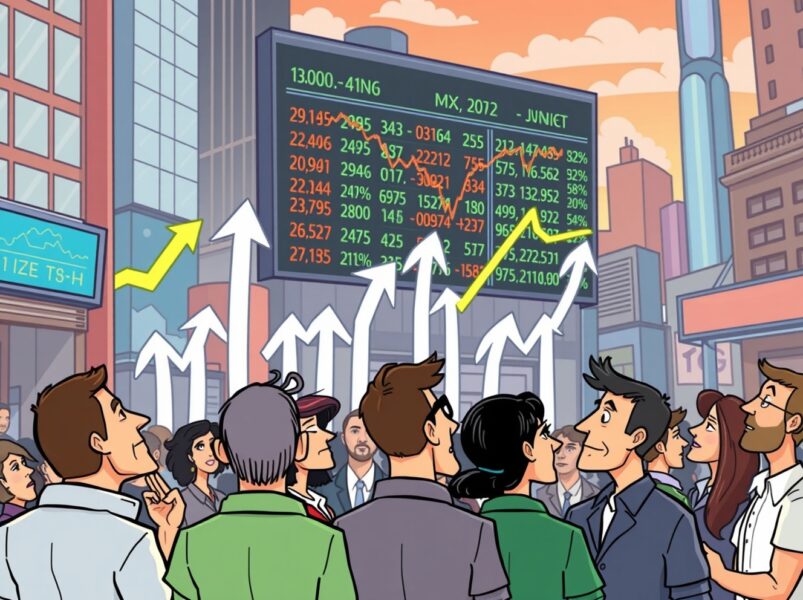
BREAKING MetaMask SHAKES Wall Street by Bringing Tokenized U.S. Stocks ETFs and Commodities Into Its Wallet
MetaMask Expands Into Traditional Markets With Tokenized U.S. Stocks and ETFs
MetaMask, one of the world’s most widely used crypto wallets, is moving beyond digital assets and into traditional finance. The platform has partnered with Ondo Finance to offer tokenized U.S. stocks, exchange-traded funds, and commodities directly within the MetaMask wallet, marking a significant step in the convergence of blockchain technology and traditional financial markets.
The development was confirmed through information shared by the official X account of Coinvo, which was later re-quoted and independently contextualized by the editorial team at hokanews. While details remain limited at this stage, the announcement signals a broader strategic shift toward making traditional financial instruments accessible through blockchain-based platforms.
 |
| Source: XPost |
MetaMask’s Evolution Beyond Crypto
Originally designed as a gateway to Ethereum and decentralized applications, MetaMask has steadily evolved into a multi-chain wallet serving tens of millions of users worldwide. Its core value proposition has always been simplicity, allowing users to interact with blockchain networks without deep technical knowledge.
By integrating tokenized representations of U.S. stocks and ETFs, MetaMask is positioning itself not just as a crypto wallet, but as a unified financial access point. This move reflects growing demand from users who want exposure to traditional assets without leaving the blockchain ecosystem.
Industry analysts note that wallets are increasingly becoming the front-end of modern finance, much like online banking apps were in the early days of digital banking.
What Tokenized Stocks and ETFs Mean
Tokenized stocks and ETFs are digital representations of real-world financial assets recorded on a blockchain. Each token is designed to track the value of an underlying asset, such as shares in a U.S. company or a major ETF, while offering blockchain-native benefits like programmability and faster settlement.
Unlike direct stock ownership through a brokerage account, tokenized assets allow fractional exposure, near-instant transfers, and integration with decentralized finance tools. For global users, this can also reduce barriers related to geography, minimum investment sizes, and access to U.S. financial markets.
However, tokenization does not eliminate regulatory oversight. Most tokenized asset platforms operate within defined legal frameworks, ensuring that each digital token is backed by real-world holdings or structured financial instruments.
Ondo Finance’s Role in the Partnership
Ondo Finance has emerged as a key player in bridging traditional finance with blockchain infrastructure. The firm specializes in tokenized real-world assets, focusing on compliance-first products designed for both institutional and retail users.
Through its partnership with MetaMask, Ondo Finance is expected to provide the underlying tokenization framework, asset structuring, and compliance mechanisms. This includes ensuring that tokenized stocks and ETFs are properly backed and aligned with regulatory standards.
The collaboration highlights a growing trend where specialized financial firms handle backend complexity, while consumer-facing platforms like MetaMask focus on user experience and distribution.
Commodities Enter the Blockchain Wallet
In addition to stocks and ETFs, the partnership also includes tokenized commodities. Commodities such as gold or other widely traded assets have long been viewed as strong candidates for tokenization due to their global demand and standardized pricing.
Bringing tokenized commodities into a widely used wallet could open new use cases for hedging, diversification, and onchain collateral. Users may eventually be able to combine traditional assets with crypto holdings in a single interface, managing risk more dynamically.
This convergence could blur the lines between decentralized finance and traditional asset management, accelerating the development of hybrid financial products.
Regulatory and Compliance Considerations
While the announcement has generated excitement, regulatory clarity remains a critical factor. Tokenized securities are subject to strict rules in many jurisdictions, particularly in the United States.
The involvement of Ondo Finance suggests a cautious, compliance-oriented approach. Rather than offering unregulated synthetic assets, the partnership appears focused on structured products designed to meet legal requirements.
MetaMask itself does not act as a broker or issuer. Instead, it serves as an interface, allowing users to access services provided by regulated partners. This model mirrors how app stores distribute financial services without directly holding customer assets.
Global Implications for Investors
For users outside the United States, tokenized U.S. stocks and ETFs could offer unprecedented access to American financial markets. Traditionally, international investors face hurdles such as brokerage restrictions, currency conversion costs, and complex onboarding processes.
Blockchain-based access may simplify these challenges, although eligibility and availability will still depend on local regulations. If widely adopted, this model could reshape how global investors interact with U.S. capital markets.
From a market perspective, tokenization also introduces the possibility of 24-hour trading, faster settlement cycles, and new forms of liquidity.
Market Reaction and Industry Context
The announcement fits into a broader wave of real-world asset tokenization gaining traction across the financial industry. Major institutions, fintech firms, and blockchain startups are increasingly exploring ways to represent traditional assets onchain.
While MetaMask’s partnership does not immediately disrupt traditional brokerages, it signals a long-term shift. As wallets become more sophisticated, they may compete with or complement existing financial platforms.
Analysts caution that adoption will depend on trust, regulatory acceptance, and ease of use. However, MetaMask’s large user base gives it a unique advantage in introducing new financial products at scale.
Confirmation and Media Attribution
The confirmation of the MetaMask and Ondo Finance partnership was shared by Coinvo via its official X account, a source followed by the crypto and technology community. Hokanews re-quoted this information as part of its standard editorial process, while adding independent analysis and context.
As with many early announcements, further details regarding supported assets, rollout timelines, and user eligibility are expected to be released in the coming months.
A Step Toward Unified Finance
The integration of tokenized stocks, ETFs, and commodities into a crypto wallet underscores a larger vision often described as unified or onchain finance. In this model, traditional and digital assets coexist within the same infrastructure, accessible through a single interface.
Rather than forcing users to choose between crypto platforms and traditional brokerages, partnerships like this aim to merge the two worlds. The result could be a more inclusive and efficient financial system.
Looking Ahead
If successful, the MetaMask and Ondo Finance partnership may encourage other wallet providers to explore similar offerings. Competition could drive innovation, lower costs, and expand access to global markets.
At the same time, regulators will play a key role in shaping how quickly these products can scale. Clear rules and transparent structures will be essential to building long-term trust.
For now, the announcement stands as another sign that blockchain technology is steadily moving into the core of global finance. As tokenization gains momentum, the boundary between Wall Street and Web3 continues to fade.
hokanews.com – Not Just Crypto News. It’s Crypto Culture.
Writer @Ethan
Ethan Collins is a passionate crypto journalist and blockchain enthusiast, always on the hunt for the latest trends shaking up the digital finance world. With a knack for turning complex blockchain developments into engaging, easy-to-understand stories, he keeps readers ahead of the curve in the fast-paced crypto universe. Whether it’s Bitcoin, Ethereum, or emerging altcoins, Ethan dives deep into the markets to uncover insights, rumors, and opportunities that matter to crypto fans everywhere.
Disclaimer:
The articles on HOKANEWS are here to keep you updated on the latest buzz in crypto, tech, and beyond—but they’re not financial advice. We’re sharing info, trends, and insights, not telling you to buy, sell, or invest. Always do your own homework before making any money moves.
HOKANEWS isn’t responsible for any losses, gains, or chaos that might happen if you act on what you read here. Investment decisions should come from your own research—and, ideally, guidance from a qualified financial advisor. Remember: crypto and tech move fast, info changes in a blink, and while we aim for accuracy, we can’t promise it’s 100% complete or up-to-date.
You May Also Like
Over 60% of crypto press releases linked to high-risk or scam projects: Report
ArtGis Finance Partners with MetaXR to Expand its DeFi Offerings in the Metaverse