TLDR BitMine holds 4.24M ETH now worth $9.6B, down from $14B in October BitMine bought 40,000 ETH before ETH’s latest price decline The firm expects $164M in annualTLDR BitMine holds 4.24M ETH now worth $9.6B, down from $14B in October BitMine bought 40,000 ETH before ETH’s latest price decline The firm expects $164M in annual

BitMine ETH Paper Loss Tops $6B as Tom Lee Defends Long Term Plan

3 min read

TLDR

  • BitMine holds 4.24M ETH now worth $9.6B, down from $14B in October
  • BitMine bought 40,000 ETH before ETH’s latest price decline
  • The firm expects $164M in annual ETH staking revenue
  • Tom Lee says the $6.6B ETH loss is part of BitMine’s long-term strategy

BitMine Immersion Technologies is facing over $6.6 billion in unrealized ether (ETH) losses, yet its chairman, Tom Lee, says the drawdown was expected. Designed to hold and stake ETH over the long term, the company’s strategy is being tested amid a broader market downturn, but its leadership insists the losses are part of the plan, not a failure of it.

BitMine Sees Multi-Billion Dollar Paper Loss

BitMine Immersion Technologies is reporting over $6.6 billion in unrealized losses from its ether (ETH) holdings. The company currently holds 4.24 million ETH, valued at around $9.6 billion, down from nearly $14 billion just a few months ago.

The decline follows a recent drop in ether’s market price, which was worsened by BitMine’s purchase of over 40,000 ETH shortly before the downturn. The large position has drawn attention, but Chairman Tom Lee says the loss is not unexpected. According to Lee, the strategy behind BitMine was always to mirror ETH’s performance and benefit over the long term.

Strategy Focused on Long-Term ETH Accumulation

Tom Lee responded to critics through a series of posts on social platform X. He compared BitMine’s approach to an index-style product that performs over the market cycle rather than relying on short-term trading. “Crypto is in a downturn, so naturally ETH is down,” Lee wrote. He added that “paper losses are not a bug — it’s a feature.”

BitMine has explained that it is not trying to time the market. Instead, it operates as a long-term treasury vehicle with a focus on ETH accumulation and staking. This structure makes the company similar to bitcoin-focused treasury firms that accept volatility in exchange for long-term asset exposure.

Staking Income Offers Some Support

BitMine has previously estimated that it will earn around $164 million per year through staking ETH. However, that income provides only limited cushioning during large market downturns.

With the ETH price falling, the total value of its holdings has dropped sharply, affecting the company’s reported balance sheet.

Large holdings like BitMine’s can also lead to bigger swings in value during periods of low market liquidity or forced selling in derivatives markets. The firm remains exposed to these risks but says this is expected within its strategy.

Lee Maintains Confidence in Ethereum’s Future

Tom Lee emphasized that the company remains committed to its view that Ethereum will play a key role in the future of finance.

He acknowledged that the crypto sector is still going through a deleveraging phase, which may continue into early 2026. Despite the losses, the firm has no plans to change its ETH-focused approach.

“Ethereum is the future of finance,” the company said in a statement. The firm’s structure, according to Lee, is built to weather full market cycles, and unrealized losses during downturns are part of that design.

The post BitMine ETH Paper Loss Tops $6B as Tom Lee Defends Long Term Plan appeared first on CoinCentral.

Disclaimer: The articles reposted on this site are sourced from public platforms and are provided for informational purposes only. They do not necessarily reflect the views of MEXC. All rights remain with the original authors. If you believe any content infringes on third-party rights, please contact service@support.mexc.com for removal. MEXC makes no guarantees regarding the accuracy, completeness, or timeliness of the content and is not responsible for any actions taken based on the information provided. The content does not constitute financial, legal, or other professional advice, nor should it be considered a recommendation or endorsement by MEXC.

You May Also Like

Woman shot 5 times by DHS to stare down Trump at State of the Union address

Woman shot 5 times by DHS to stare down Trump at State of the Union address

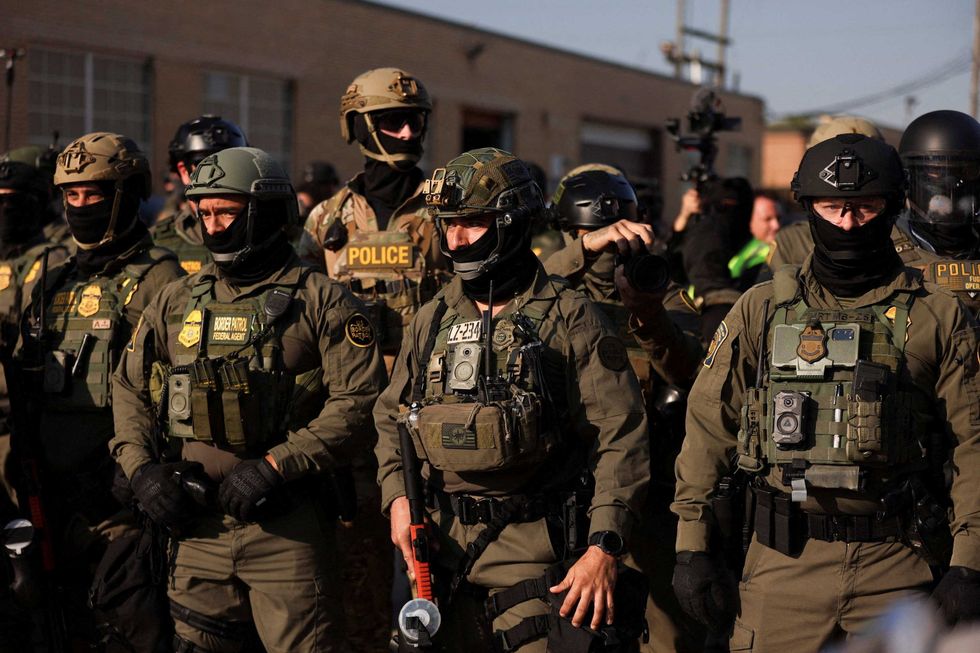
A House Democrat has invited Marimar Martinez to attend President Donald Trump's State of the Union address in Washington, D.C., after she was shot by Customs and
Share
Rawstory2026/02/06 03:36
What is Play-to-Earn Gaming? Unlocking New Possibilities

What is Play-to-Earn Gaming? Unlocking New Possibilities

The post What is Play-to-Earn Gaming? Unlocking New Possibilities appeared on BitcoinEthereumNews.com. The Play-to-Earn (P2E) model is playing a key role in the advancement of the crypto industry. Users are able to earn crypto by playing games and get involved with global communities of gamers, creators, and developers. In this article, we’ll explore the functionalities of P2E gaming, its core features, potential risks, benefits, legal issues, and highlight some of the most impactful games shaping the Web3 gaming frontier.  What is Play-to-Earn Gaming? As its name implies, you gain rewards for playing the game. Players in Play-to-Earn games get involved with blockchain networks and can receive crypto assets or NFTs as prizes. The assets you acquire can be sold, traded or kept as an investment to see if their value rises. In Axie Infinity, players gathered and combated Axies, which are fantastical creatures. The game gave players SLP, a coin that works the same as money and could be traded for fiat currencies or other coins. Due to its success, it has grown into a more advanced and eco-friendly economy on current gaming platforms. How P2E Works? Most P2E gaming relies on Ethereum and Layer 2 networks, including Immutable, Ronin, and Base. Users are given both tokens and NFTs for accomplishing various game goals, such as: Completing missions or winning battles Trading or crafting in-game items Participating in tournaments or community events Staking assets or voting in DAOs The main difference between P2E games and traditional ones is that players can truly own what they earn in the game. Weapons, land, avatars, and resources on the Web3 game are tokenized, enabling you to trade or transfer them elsewhere. For example, users in Decentraland are able to purchase virtual land as NFTs, set up experiences and earn money from events or the services they provide. They are different from other items since they…
Share
BitcoinEthereumNews2025/09/19 21:33
DBS Partners With Franklin Templeton and Ripple for Tokenized Lending Platform

DBS Partners With Franklin Templeton and Ripple for Tokenized Lending Platform

TLDR DBS Digital Exchange, Franklin Templeton, and Ripple signed a memorandum of understanding to launch tokenized trading and lending services on the XRP Ledger DBS will list Franklin Templeton’s sgBENJI token alongside Ripple’s RLUSD stablecoin, allowing real-time swaps for institutional investors The partnership enables portfolio rebalancing and yield generation during volatile market conditions through tokenized [...] The post DBS Partners With Franklin Templeton and Ripple for Tokenized Lending Platform appeared first on CoinCentral.
Share
Coincentral2025/09/18 17:06