

GOP in danger as most voters in key swing state admit Trump's first year left them hurting
North Carolina residents of all political stripes are worried about higher prices and say they’re having difficulty affording regular monthly expenses, according to a recent Catawba-YouGov poll.
Sixty-three percent of North Carolina residents said prices are higher than a year ago. Meanwhile, 15% said prices are lower, with 22% saying they are the same.
About 40% of Republicans said prices are higher than when Trump took office. A much higher percentage of Democrats — 83% — said prices are higher, while 62% of independents said they are higher.
The survey comes just weeks after the completion of President Trump’s first year in office. The president campaigned on a promise to bring prices down and continues to insist that his policies are lowering prices, although the inflation rate has continued to rise steadily over the past year.
Nationally, concerns about affordability are even higher than they are in North Carolina. In a national Catawba-YouGov survey conducted in December, 77% of Americans said prices have been higher since Trump took office, 14% said they were the same and 8% said prices were lower.
In that national survey, nine of 10 Democrats said prices were higher, as well as 78% of independents and 62% of Republicans.
The percentage of Republicans who said prices are higher was a little surprising, Michael Bitzer, professor of politics and history at Catawba College, told NC Newsline Friday.
“It seems like on so many issues and policy dynamics, Republicans usually fall in lockstep behind the president whereas Democrats are on the complete opposite end,” Bitzer said.
He said on some questions of affordability, Republicans appear to be responding to what they’re experiencing versus the messaging coming from the White House.
Bitzer said it’s too soon to say whether affordability concerns will impact midterm elections. The picture should be clearer by late summer, he said.
“We know that for midterm elections, the top two factors when it comes to a voter’s decision are usually how they view the president and how they view economic pocketbook issues,” Bitzer said.
Top concerns for NC residents
In the recent North Carolina survey, 70% of North Carolinians said housing is unaffordable. Six out of 10 of Republicans — a majority — feel that way, along with 68% of independents and three-quarters of Democrats.
“I think that [housing] has been a much longer term issue, but it’s an impact that has direct day-to-day consequences along with things like groceries, healthcare and cars as well,” Bitzer said. “These are things that people rely on on a daily basis and a majority of North Carolinians are saying this is not where they want prices and affordability to be.”
Vehicle affordability was North Carolinians’ second-highest concern. Nearly two-thirds said cars are unaffordable, including 60% of Republicans, 64% of independents and 67% of Democrats.
Affordable healthcare and insurance are also major concerns, with 63% of North Carolinians saying they are unaffordable. Among Republicans, 54% say they are unaffordable, while two-thirds of Democrats and independents agreed.
Fifty-three percent of respondents said energy and utility costs are unaffordable, while 51% said basic goods such as groceries, personal care items and household goods are unaffordable.
The Catawba-YouGov online poll of 1,000 North Carolina residents was conducted between January 13-22. The survey’s overall margin of error is plus or minus 3.69%.
You May Also Like

WLFI Expands Into Forex With World Swap Launch

BUZZ HPC Closes Acquisition of 7.2 MW Toronto Site to Build Data Centre for Sovereign AI Infrastructure
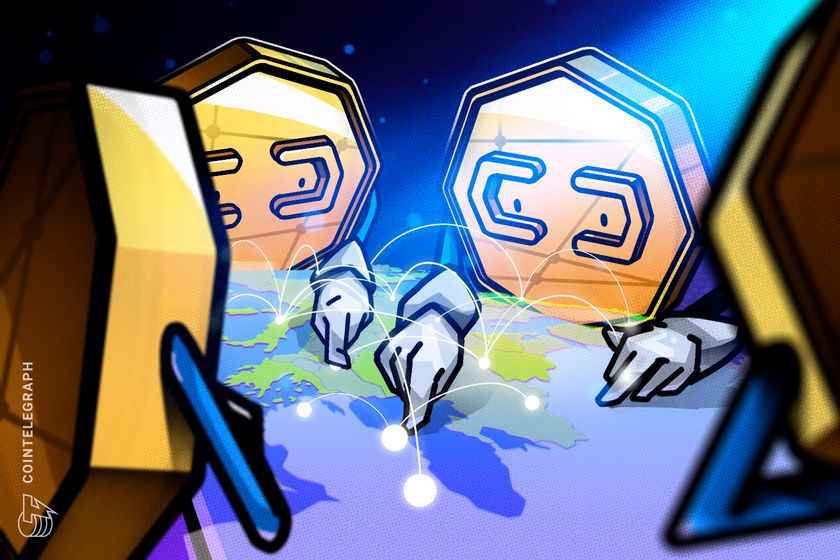
BitGo wins BaFIN nod to offer regulated crypto trading in Europe
BitGo’s move creates further competition in a burgeoning European crypto market that is expected to generate $26 billion revenue this year, according to one estimate. BitGo, a digital asset infrastructure company with more than $100 billion in assets under custody, has received an extension of its license from Germany’s Federal Financial Supervisory Authority (BaFin), enabling it to offer crypto services to European investors. The company said its local subsidiary, BitGo Europe, can now provide custody, staking, transfer, and trading services. Institutional clients will also have access to an over-the-counter (OTC) trading desk and multiple liquidity venues.The extension builds on BitGo’s previous Markets-in-Crypto-Assets (MiCA) license, also issued by BaFIN, and adds trading to the existing custody, transfer and staking services. BitGo acquired its initial MiCA license in May 2025, which allowed it to offer certain services to traditional institutions and crypto native companies in the European Union.Read more