

The highest increase after the launch was nearly 140%. A detailed explanation of the game platform Open Loot created by the Big Time team
Author: Zen, PANews
Recently, except for meme tokens which have always been the focus of the market and DeSci which has emerged as a new trend, most other tracks have performed tepidly. Among them, Web3 games, which have not seen the wealth effect for a long time, have become one of the worst performing assets in the past period of time, and the valuations of newly issued tokens have almost all plunged sharply. However, the Open Loot platform token OL, which immediately soared after its launch on OKX, is an exception.
According to OKX market and CoinMarketCap data, OL surged immediately after it was launched on the exchange at 9 pm on November 19. The trading volume in the first two hours exceeded 130 million US dollars, and the price soared from 0.0677 US dollars to 0.118 US dollars, nearly doubling. Then in the next two days, OL rose to a maximum of 0.16 US dollars. As of 2 pm on November 22, the price of OL had adjusted back to around 0.107 US dollars, with a circulating market value of about 128 million US dollars and a FDV of 530 million US dollars.
Created by Big Time core team
Open Loot is a Web3 game distribution platform and market that is committed to providing infrastructure support for mid-core to hardcore games, solving common pain points in blockchain games, such as usability, scalability, and compliance. Currently, Open Loot mainly manages all infrastructure, encrypted and non-encrypted item sales and rentals for the AAA-level MMORPG blockchain game Big Time. According to official data, the platform has had more than 2.7 million transactions in the past year, with a total transaction volume of more than 32 million US dollars.
In fact, the Open Loot platform is basically led and built by the core team of Big Time Studios, and the staffing of the studio is also luxurious in the Web3 game industry. Its core development team comes from game giants such as Electronic Arts and Tencent, and well-known game project teams such as Fortnite, Call of Duty, and League of Legends, and has rich production experience. The founder Ari Meilich is also the co-founder of the metaverse platform Decentraland.
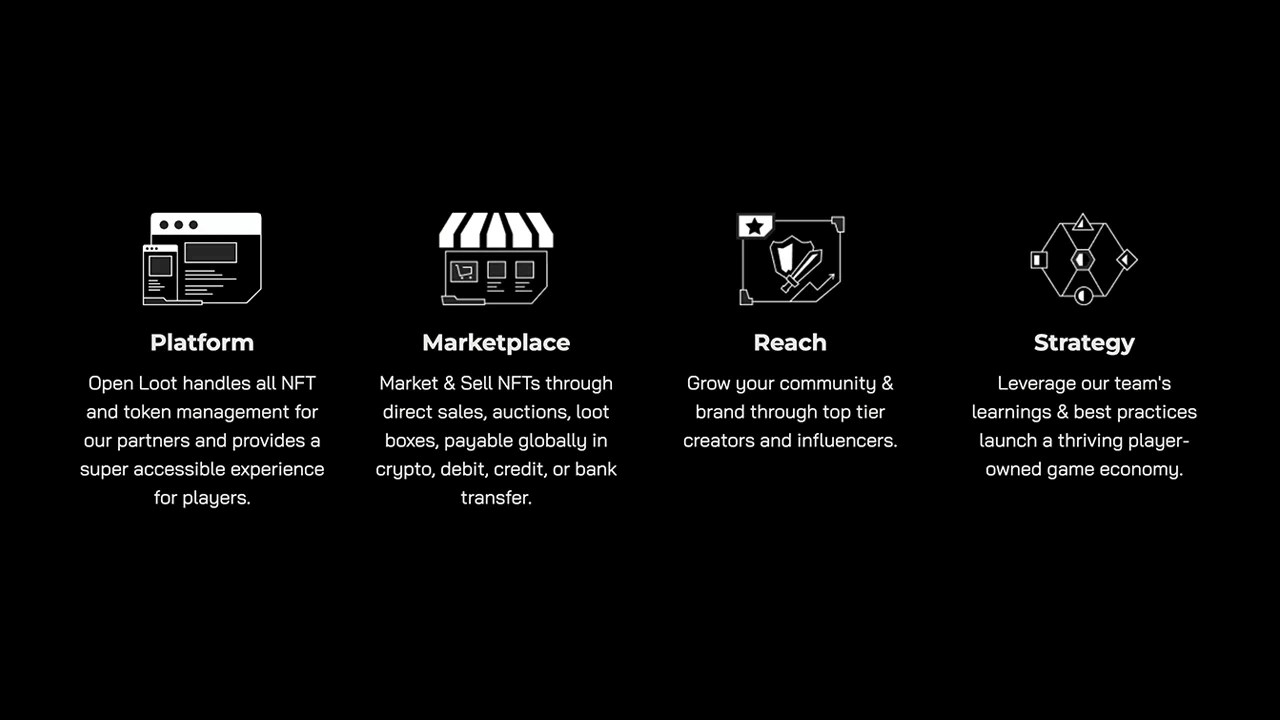
For players, the smoothness of the gaming experience is one of the most important factors, and the complexity of Web3 integration often affects the overall experience. Open Loot aims to get rid of the typical obstacles in Web3 games, including connecting to crypto wallets, paying gas fees, or waiting for transactions to be settled. Through its patented Vault technology, players can buy and sell Open Loot NFTs without paying high gas fees, while retaining the flexibility to mint them on the blockchain. In addition, Open Loot's NFT market is also built for Web3 games, providing features including NFT leasing, non-crypto game currency markets, and a comprehensive history of NFT prices and activities.
With Open Loot's experience in providing technical and marketing support to Big Time, the platform will also be able to provide a lot of resource support to developers and partners. On the one hand, Open Loot's ready-to-use technical solutions provide a full set of development tools from game launchers to cryptocurrencies to help developers meet player needs and improve player experience; on the other hand, Open Loot can fully apply the operational experience and expertise accumulated from Big Time to ensure that Open Loot's partners can get comprehensive guidance in various fields such as marketing and token design. Compared with the chain game ecosystem that provides blockchain infrastructure, Open Loot's differentiation lies in its greater focus on supporting Web3 game operations and distribution solutions.
$OL and Token Economics
Open Loot's platform token $OL is designed to increase user engagement and streamline activities across all Open Loot games. OL tokens will provide players with early access to games, discounts on premium NFTs and rewards for obtaining rare assets and completing challenges or participating in special events. For game developers, $OL is an effective tool to connect with players. By leveraging and integrating $OL rewards, developers can increase player engagement and retention through competitive games, social features, and targeted promotions.
$OL is an ERC-20 token created on the Ethereum blockchain, with a supply limit of 5 billion tokens. Players who deeply participate in the Open Loot ecosystem can convert their earned points OLRP (Open Loot Reward Points) into $OL starting from November 19, with a conversion ratio of 100 OLRP = 1 $OL.
According to the project, it is launched with a fair distribution model to ensure that tokens will not be distributed to Open Loot team members or investors, so as to achieve true community drive. The distribution method is:
- User rewards (50%): user rewards and game studio activities;
- Marketing and Community (20%): Marketing and community activities, including a program for users to earn OLRP before the $OL token is released;
- Finance and Ecosystem (30%): Ecosystem growth, liquidity, and financial provision.
Platform third-party games
As mentioned above, the Open Loot platform supports third-party game developers in addition to Big Time, and currently offers 5 games in addition to this flagship blockchain game.
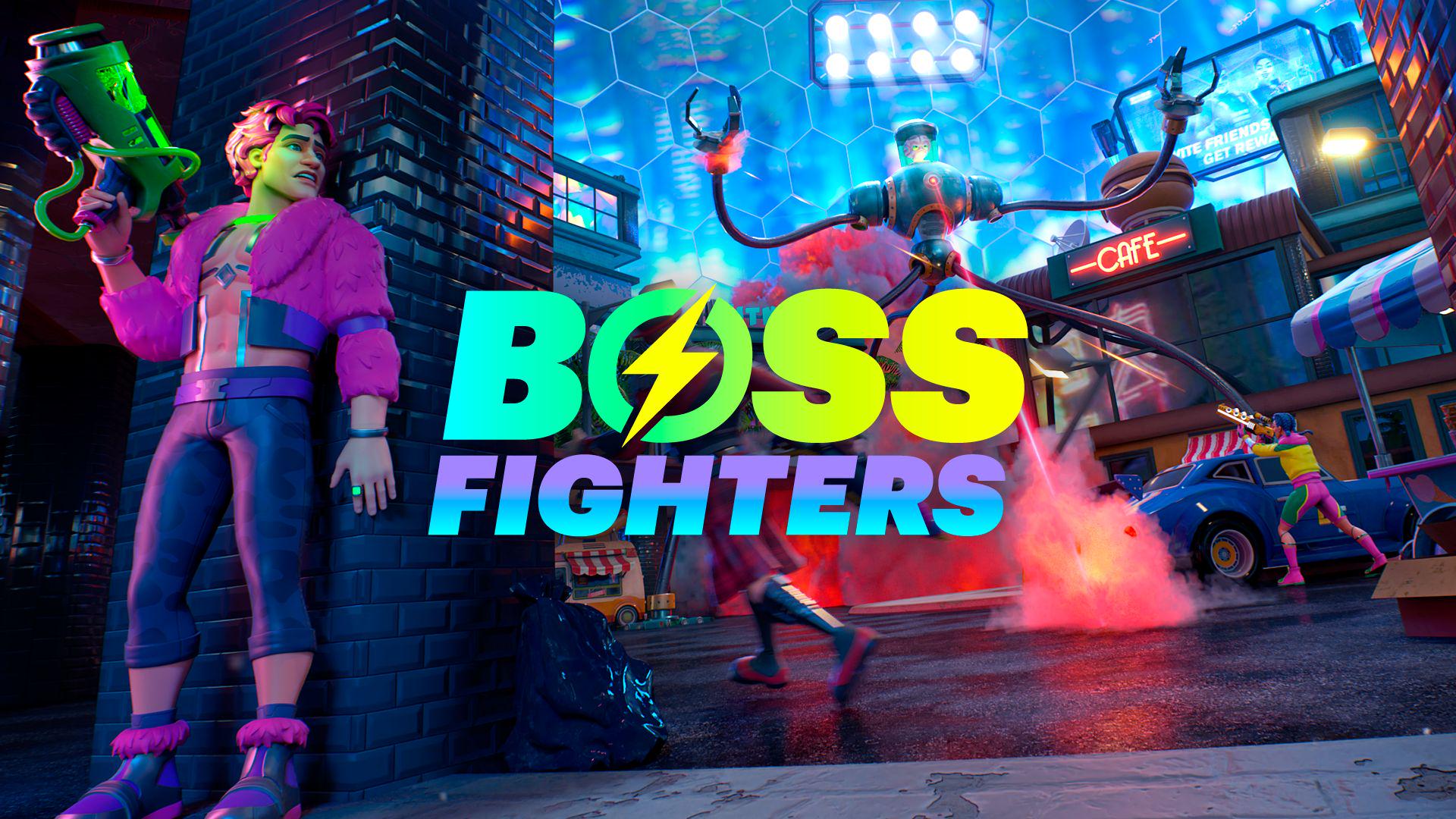
Boss Fighters
A free arcade shooting game that combines virtual reality (VR) and traditional PC. The game is set in a futuristic arena and provides a unique asymmetric multiplayer experience. Players can choose to play as a powerful VR Boss, sweeping across the battlefield and showing absolute dominance; or they can play as a flexible PC Fighter and fight fiercely with the VR Boss through superb operations and clever strategies. The combination of these two completely different gameplays creates a dynamic and strategic battle scene for players.
Worldshards
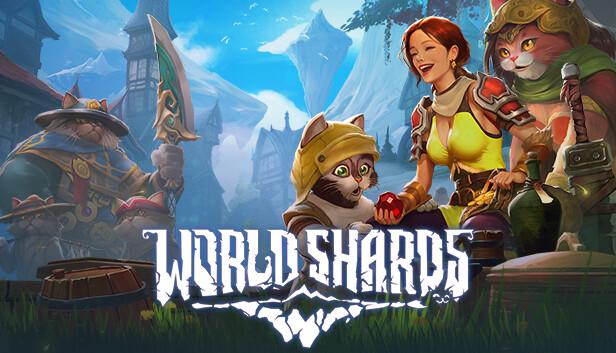
A sandbox life simulation MMORPG set in the fantasy world of Murrlandia. WorldShards reimagines MMORPG gameplay with a non-level progression system. Freed from traditional constraints, players can explore any path, from battling powerful monsters to mastering the art of crafting. WorldShards is currently in Early Access, offering players the opportunity to try the game and experience how the gameplay works. As part of this exclusive Early Access, players can purchase unique assets including islands and access keys, which are essential to enter and explore the game, and are traded on the OpenLoot platform.
The Desolation
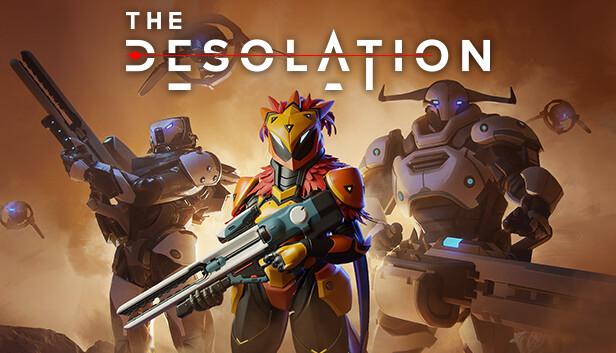
A fast-paced third-person shooter set in a future where humanity is on the brink of extinction, it takes players into a world overrun by a powerful alien force called the Shadow. Players take on the role of Chimera, elite mercenaries dressed in customizable Exo armor, leading their forces to take back Earth. Available on PC and mobile platforms, the game supports 3-player co-op combat. Dungeons are some of the toughest challenges in the Badlands, featuring complex mechanics, random elements, and powerful bosses. These final encounters require careful planning and teamwork, and defeating the dungeon boss will earn players rare and powerful equipment, including legendary and mythical items.
Shatter Point
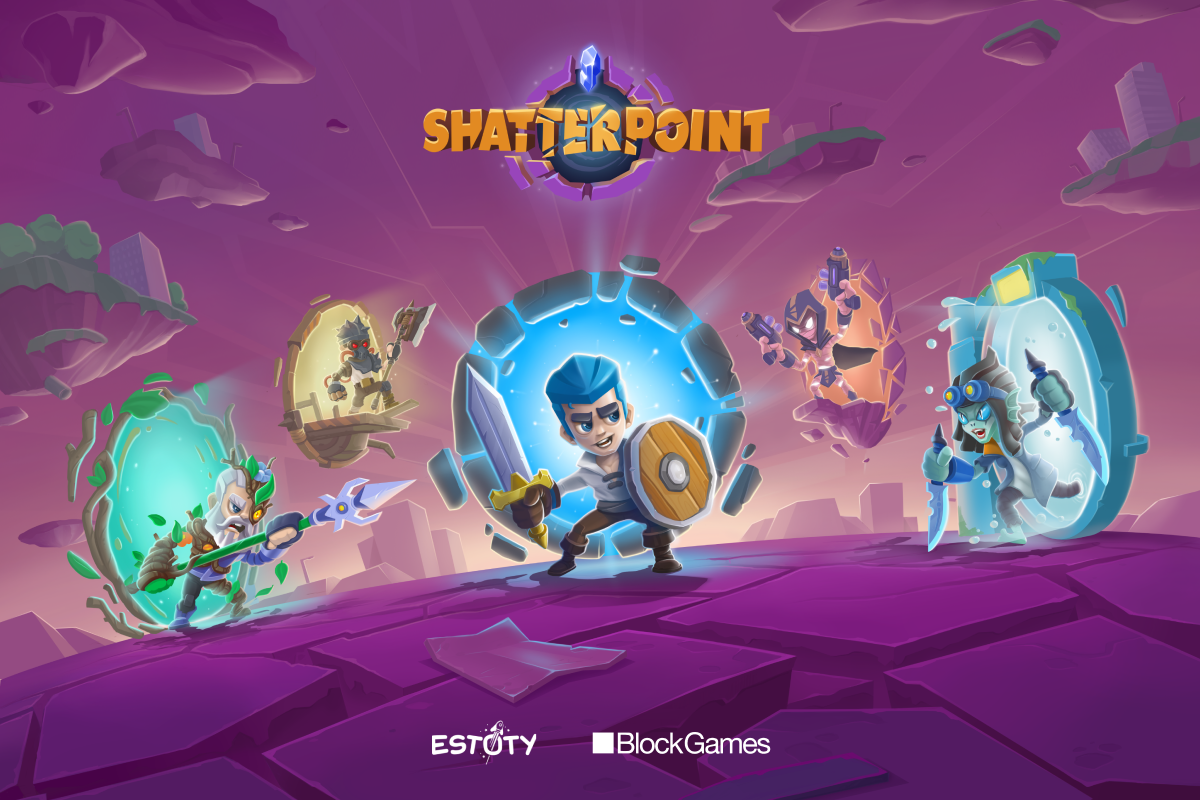
An action RPG mobile game with PVP and PVE game modes and an interactive narrative-driven world. To compete and succeed in the game, players must demonstrate their skills and develop themselves over time to gain additional in-game resources and reach higher levels for each character for a more interesting gaming experience. Player avatars in the game world are called heroes. They start with different base attributes and can be further modified by equipment and traits acquired during the game. NFT heroes retain their level at the end of the season, but the level of non-NFT heroes resets to 1 after each season. Players can have an unlimited number of heroes, but can only use one at a time.
One Tap
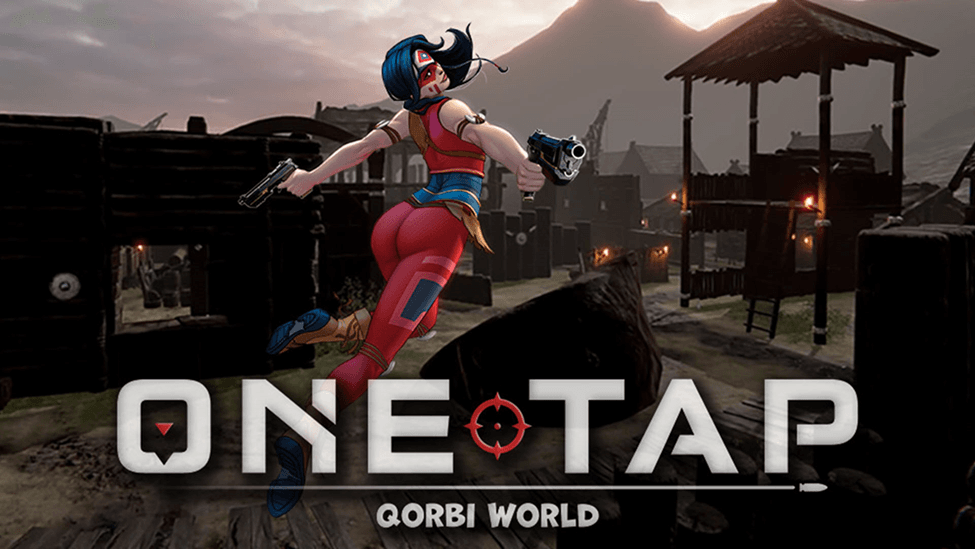
A free first-person shooter. One Tap's control scheme is designed to be intuitive and suitable for both FPS veterans and newcomers. Movement is controlled by the WASD keys, allowing for smooth navigation through the game's various maps. Tactical moves such as crouching, sprinting, and jumping add depth to player movement. Game modes include Deathmatch, where players kill each other, Gun Master, where players' weapons proficiency is tested, Search and Destroy, which requires teamwork and strategy, and Exterminator, which adds PvE elements.
You May Also Like
Trading time: Tonight, the US GDP and the upcoming non-farm data will become the market focus. Institutions are bullish on BTC to $120,000 in the second quarter.

Ethereum Fusaka Upgrade Set for December 3 Mainnet Launch, Blob Capacity to Double
