Production Intelligence is Shaping CX in AVGC-XR
Bridging Production Intelligence and CX: IICT and Gativedhi’s Strategic Collaboration
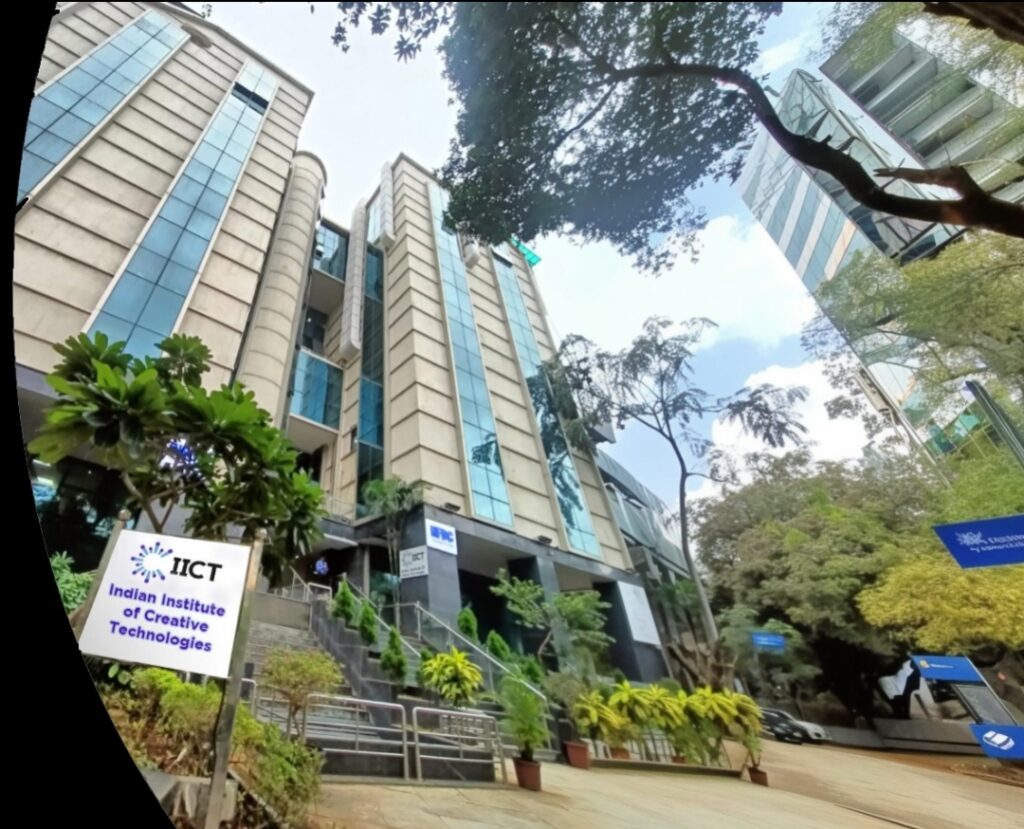
The Indian Institute of Creative Technologies (IICT) has partnered with Gativedhi Technologies Pvt. Ltd. to integrate AI-driven production intelligence tools into academic training for the AVGC-XR (Animation, Visual Effects, Gaming, Comics, and Extended Reality) sector. The initiative centers on deploying Shotrack, a production pipeline platform designed to manage workflows, assets, and scheduling across complex creative environments.
The collaboration reflects a broader shift in how the digital content ecosystem is evolving—where operational efficiency, data visibility, and workflow intelligence are increasingly seen as foundational to delivering high-quality customer experiences. By embedding such tools into training programs, the partnership aims to align future talent with the operational realities of modern content production.
The Changing Landscape of Customer Experience in Digital Media
Customer expectations in digital media have undergone a significant transformation. Audiences today demand immersive, high-quality content delivered across platforms with minimal delays. Whether in gaming, animation, or extended reality, the tolerance for inconsistency or lag in delivery has diminished.
This shift has placed pressure on production ecosystems to become more agile and responsive. Traditional production models—often characterized by siloed workflows and limited real-time visibility—are increasingly inadequate in meeting these expectations.
From a customer experience (CX) perspective, this highlights an important evolution: experience quality is not solely determined at the point of interaction. Instead, it is shaped upstream by the efficiency and coordination of production processes. Delays in rendering, inconsistencies in asset management, or misalignment across teams can directly affect the final output, influencing how customers perceive quality and reliability.
For CX leaders, this underscores the importance of integrating operational intelligence into broader experience strategies.
Strategic Positioning Through Academic Integration
The collaboration between IICT and Gativedhi Technologies can be viewed as a strategic effort to bridge the gap between academic training and industry requirements. For Gativedhi Technologies, introducing its platform within an academic environment creates early exposure among students who will eventually enter the workforce. This can influence long-term adoption patterns, positioning its tools as part of the standard production ecosystem.
Additionally, academic environments provide a relatively controlled setting for experimentation. Platforms like Shotrack can be tested, evaluated, and refined through pilot deployments, enabling iterative improvements based on real-world usage scenarios without the immediate pressures of commercial deadlines.
For IICT, the initiative strengthens its positioning as an industry-aligned institution. By integrating enterprise-grade tools into its curriculum, the institute enhances the employability of its graduates while contributing to the broader development of the AVGC-XR ecosystem.
Dr. Vishwas Deoskar, CEO of IICT, noted that academic institutions can serve as experimentation grounds for emerging technologies, enabling both learning and refinement. This perspective reflects a growing trend where education institutions are not just knowledge providers but active participants in innovation ecosystems.
Understanding the Technology: Production Intelligence Platforms
At the core of this collaboration is Shotrack, a platform designed to address the complexities of modern production pipelines. In animation, VFX, and gaming, projects often involve multiple teams working across different locations, each handling distinct components such as modeling, rendering, and post-production.
Managing these workflows requires coordination across tasks, assets, and timelines. Shotrack provides a centralized system for tracking production elements, including shots, assets, and tasks. It also supports approvals, version control, and scheduling, helping teams maintain alignment throughout the production lifecycle.
A key feature of the platform is its production intelligence capability. By analyzing structured data generated during production, the system can identify bottlenecks, forecast schedule risks, and optimize resource allocation. This enables more informed decision-making, reducing uncertainty and improving overall efficiency.
The platform’s flexibility—supporting on-premise, cloud, and hybrid deployments—also addresses concerns around data control and scalability, which are critical for studios handling sensitive intellectual property.
Beyond Shotrack, Gativedhi Technologies is, in fact, developing a broader ecosystem of tools aimed at supporting end-to-end studio operations. These, therefore, include solutions for budgeting, recruitment, and productivity tracking, indicating a move toward integrated workflow management across creative organizations.
CX Implications: From Operational Efficiency to Experience Quality
While production intelligence platforms operate behind the scenes, their impact on customer experience is direct and measurable. Efficient workflows enable faster production cycles, ensuring that content delivers on time and meets audience expectations.
Improved visibility into production processes reduces friction by enabling teams to identify and address issues early. This leads to more consistent output, minimizing the risk of quality variations that could affect audience engagement.
Transparency is another key benefit. With access to real-time data, studios can better manage timelines and communicate expectations, enhancing reliability from a customer perspective.
Senthil Kumar, Founder and CEO of Gativedhi Technologies, emphasized the value of introducing such tools in academic settings, noting that engagement with real-world platforms can generate feedback that supports ongoing development. This iterative approach aligns with broader CX principles, where data and user insights result into continuous improvement.
Furthermore, the ability to analyze production data opens opportunities for more adaptive and responsive content strategies. As studios gain deeper insights into workflow performance, they can align production processes more closely with audience demands, improving both efficiency and relevance.
Broader Industry Implications
The IICT-Gativedhi collaboration reflects several broader trends shaping the AVGC-XR industry and beyond. One of the most significant is the integration of AI into operational workflows. While AI traditionally associates with customer-facing applications, its role is expanding into backend processes that influence experience delivery.
Another trend is the convergence of academia and industry technology stacks. Educational institutions are increasingly adopting enterprise-grade tools, creating environments that mirror real-world production settings. This not only enhances learning outcomes but also accelerates technology adoption across the industry.
The collaboration also highlights the growing need for standardized systems in multi-studio environments. As projects become more complex and geographically distributed, the ability to maintain consistency and coordination across teams becomes critical.
Dr. Ashish Kulkarni, Co-Founder of Gativedhi Technologies, pointed to longstanding challenges in multi-studio collaborations, where differing systems can disrupt workflows. Solutions that address these challenges are likely to gain importance as the industry continues to scale.
Looking Ahead: The Future of CX in Creative Industries
The integration of production intelligence into academic training environments signals a broader shift in how customer experience is approaching in digital industries. Rather than focusing solely on front-end interactions, organizations are increasingly recognizing the importance of operational infrastructure in shaping outcomes.
For CX leaders, this represents an opportunity to rethink strategy. Investments in workflow intelligence, data analytics, and integrated platforms can deliver significant improvements in efficiency, consistency, and scalability—all of which contribute to better customer experiences.
At the same time, the focus on talent development highlights the importance of aligning skills with evolving technology landscapes. As future professionals enter the workforce with hands-on experience in production intelligence tools, organizations may see faster adoption and more effective utilization of such systems.
Ultimately, the collaboration between IICT and Gativedhi Technologies offers a glimpse into the future of CX in creative industries—one where technology, talent, and operations closely interconnect. As AI continues to move upstream in the value chain, its influence on how experiences evolve, managed, and delivered will only grow stronger.
Key Takeaways
Production intelligence is becoming a CX enabler
AI-driven production platforms like Shotrack highlight how backend workflow optimization directly impacts the quality, speed, and consistency of customer-facing digital experiences.
CX outcomes increasingly tie to operational visibility
Real-time tracking of assets, tasks, and workflows allows organizations to identify bottlenecks early, improving delivery timelines and reducing experience variability.
AI is shifting from front-end to core operations
The integration of AI into production pipelines signals a broader trend where intelligent systems are shaping how experiences are evolving—not just how they deliver.
Academic-industry collaboration is accelerating CX readiness
By embedding enterprise tools into training programs, institutions are preparing talent that better aligns with modern CX and digital production requirements
Unified platforms are critical for scalable collaboration
As multi-studio and distributed production models grow, standardized systems that improve coordination and transparency, in fact, will be essential for maintaining experience quality.
The post Production Intelligence is Shaping CX in AVGC-XR appeared first on CX Quest.
You May Also Like

Trump Brothers’ American Bitcoin Hits BTC Milestone as Stock Falls to Lowest Price Since IPO

What the Ethereum Economic Zone (EEZ) Means for ETH’s Future