How a failed movie ticket purchase led to a startup idea
In November 2024, Mayowa Ayodeji paid ₦7,000 ($5.05) to watch a film online. He didn’t get the film.
What he got instead was that quiet frustration of staring at your inbox, refreshing it like it owes you money. No link. So he did what we all do when technology embarrasses us: he went looking for a human being. He found one on the filmmaker’s team.
Turns out, the system had a problem. Not a big one. It couldn’t send access links to non-Gmail addresses. Imagine that.
“It was eventually fixed,” he says. “But it felt broken.”
And that should have been the end of it. A small inconvenience. A forgettable glitch. The kind of thing you complain about for five minutes, then move on with your life.
But Mayowa is an engineer. Engineers don’t move on. They circle back and work to fix broken stuff.
At the time, he was already shutting down his startup, Endowd Africa, and thinking about what was next. But this thing—this small, irritating thing—refused to leave him alone.
So he started asking around. First casually, then seriously. Filmmakers. Distributors. Viewers. And what he found was that his little Gmail problem was the least of it.
Underneath it all was a mess, money not adding up, rights not clear, audiences not reached, data not trusted. The kind of problems that choke an industry.
Streaming, everyone agreed, was booming. But the supporting pillars were not as strong.
That curiosity—or irritation, depending on how you look at it—is what led him to start building Filmporte, first as Polaroid, with Ayobami Aladeloye.
When we sit down to talk, the conversation drifts from that first failed film-watching experience to a much bigger ambition: fixing a system most people only notice when it stops working.
This interview has been edited for length and clarity.
What was the specific moment or observation that convinced you the traditional film distribution model was fundamentally broken for independent filmmakers?
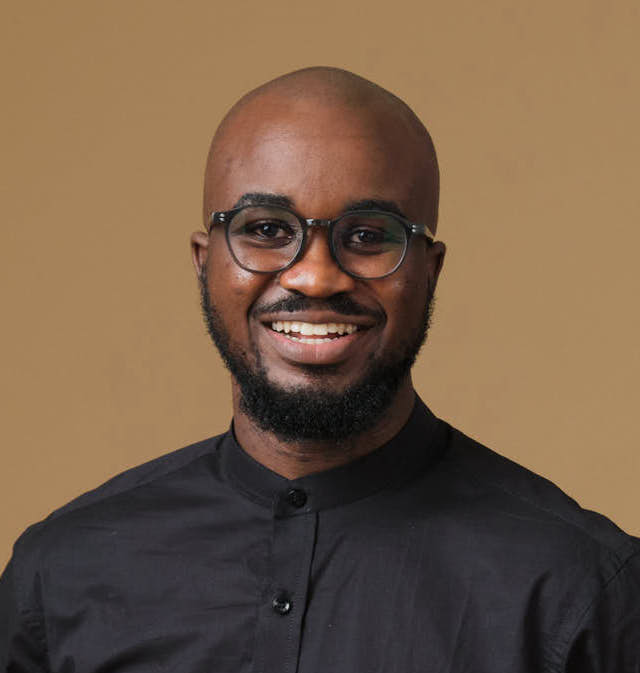
Mayowa: The initial plan was just to solve a problem I experienced trying to watch a virtual cinema film. Before you build anything, you need to be sure it’s actually what people need. So I went around asking questions. I disturbed many filmmakers and film distributors as I tried to understand what they were experiencing. I quickly realised that the ticketing and film access problem I experienced was the least of their problems. I began to see many other distribution issues within the ecosystem, both within and outside Nigeria. The first people I asked were Nigerians, but I also spoke to people in Hollywood and other industries. We realised distribution was heavily broken.
In 2024, I bought a ticket to watch a film and couldn’t get access. I searched my email, thinking I had missed it. I spent ₦7,000 ($5.05) and couldn’t watch the film, so I reached out to a member of the filmmaker’s team. They told me the tool they were using to allocate tickets and access couldn’t send to any email that wasn’t Gmail. They eventually got my ticket to me, and I watched the film, but the experience was broken. They used one platform to sell tickets and another to create access. There was a lot of friction—I could see people complaining online. That was the trigger.
At the time, I was still working on Endowd Africa. In early 2025, I was praying and meditating. I already knew when we were going to officially close down Endowd Africa, and it randomly dropped in my heart that the problem I experienced trying to watch a virtual cinema the year before—essentially, nobody had solved it.
The more I spoke to filmmakers, the more it resonated. There are so many problems: revenue share, transparency, access, rights ownership. I didn’t speak only to filmmakers and distributors. I also spoke to people who watch films. One of the resounding challenges was: “A film I want to watch is available on Netflix, but not on Netflix Nigeria.” There’s also the issue of a film not being available on the platform I have access to.
Streaming is blowing up in Nigeria and everywhere in the world—in the US, like something else. When you look at how people consume films now, people feel the need to continue consuming what they already feel part of. Looking at all those indices, it was very clear that now is the time to do it.
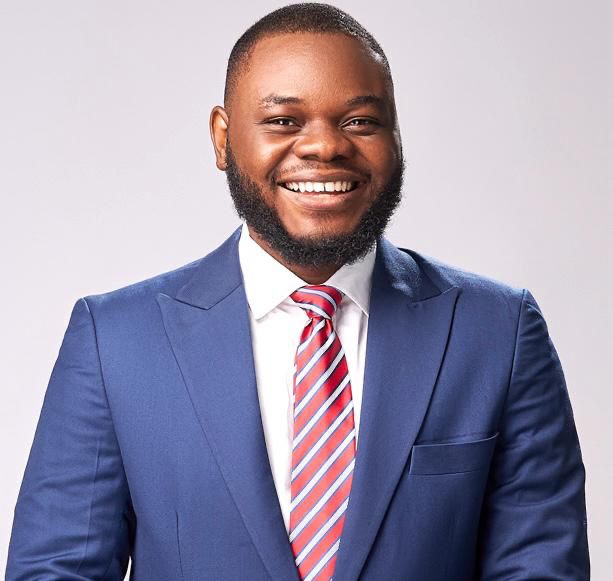
Ayobami: Since COVID, there’s been a flip. More and more people are watching on mobile devices than going to the cinema. Movies usually go through a familiar route: cinemas first, then a streamer picks it up and licenses the rights for a few years. After that licensing period, you might take it to an international distributor or give it to an airline to show on flights. Where we sit is that first layer—cinema.
Filmmakers are complaining about the existing infrastructure, and it’s not a Nigerian problem. It’s a global problem. There’s also no true global distribution, especially for African cinema. The biggest distributor in Nigeria can’t connect you to 190 countries. There’s already a cap on how much money you can make, and if you don’t do cinemas, your chances of getting a streamer are limited. Some data will never come out to help you negotiate better.
What is your background, and how has it helped in building Filmporte?
Mayowa: I got into tech officially in 2018. I had just returned from the UK, where I studied for my master’s and worked with a couple of organisations, the last being HSBC. When I came back to Nigeria, my initial plan was maybe to go back for a PhD—I was an academic nerd—or to go into the automotive sector, because that was my research area.
The first job I got was with iQube Labs, an applied computer science R&D company. They wanted a business-minded engineer to run the commercial client services side of the business. My background is in engineering, and my master’s is in engineering business management. That was my foray into tech, and that background is important: I was the business lead, established a product management office, and brought in designers. They had engineering strengths, but design and product management were missing. I wore all the hats you need to build something.
In 2019, we did a research project. iQube Labs was very futuristic—we were already into AI. We had the idea to build AI on top of VoIP technology, the technology that powers telephone bots. I led a small research team of five: myself, a product manager, and three engineers. When the product spun out, COVID hit in early 2020. The head of the NCDC tweeted that their call centre was overwhelmed with inbound calls. I thought, “This research is a fantastic solution.” An intelligent IVR system can receive 10,000 calls at once without stressing human beings, sifting through calls and directing people to the right channel. We built a demo.
I led the team in deploying a B2B SaaS version and told leadership we should spin it out as its own business. That product today is known as MyServiceAgent—a startup of its own.
My second startup experience was Endowd Africa, focused on international tuition payments for Africans studying abroad—tuition, credits, and application support.
What I draw from the other solutions I’ve built is spotting an important need and building solutions to meet it. Being able to understand and build in any new industry has helped me. I hadn’t done anything in IVR before MyServiceAgent. I would have run away from the film industry because I’m not a filmmaker, but that pattern of spotting something and finding the right solution is what I’ve learned.
Ayobami, with your background as a lawyer, how has your legal expertise shaped the way you’ve been building Filmporte?
Ayobami: I’ve represented clients in the entertainment sector on deals. So my background shapes how I look at films. I tend to look at them from the angle of intellectual property assets that can have long-term value. Understanding that intellectual property sometimes is a function of culture. Speaking generally, how Africans tend to approach film can be akin to selling our souls, because it’s our mind, will, and emotions.
Many filmmakers have been complaining about revenue splits. The waterfalls are predatory. It’s an industry ripe for disruption, and it was time for us to start developing our infrastructure.
How did you both meet, and why did you decide to build together?
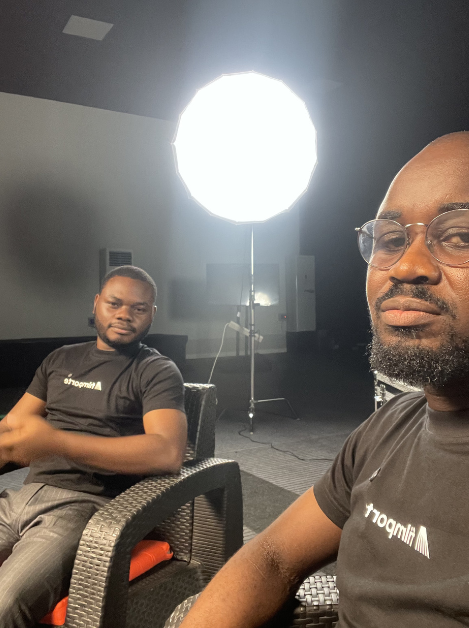
Ayobami: The reason I decided I was going to work with Mayowa was that he could be doing a thousand things at the same time, but he’s doing those thousand things excellently. We’re doing it because this problem can be solved.
Mayowa: We met in church in 2024. We served in the same service unit, the protocol department. I remember the first day we met. There was a meeting, and he was like 14 minutes late. He was confident. I wanted to know more about him, so we had a chat. This was before Polaroid or Filmporte. We got close, and I grew to trust him. He’s very reliable and down-to-earth. I got to value his intellect. He’s very insightful and able to bring his law background down to day-to-day things.
It was around the time of formulating the Polaroid entity and trademarks that we started talking about it. From the very first day I mentioned the idea to him, he got it. I had to ask him questions about a number of legal things. At some point, I needed a loan to sort some bills for Polaroid, and he wired the money in minutes, no questions asked. I kept giving him updates. One day, he said, “Let’s do this thing together.” From the beginning, it was always like a co-founder relationship. At some point, he was my lawyer, but he was doing more than law—more strategy than law.
There’s nothing I do at the company, even before he officially became co-founder, that didn’t pass through him. We made it official when we were going into the Antler residency programme last year.
You both participated in the Antler residency programme and placed in the Africa Creatives Marketplace Hackathon. How did those high-pressure environments help refine product-market fit for what you’re building today?
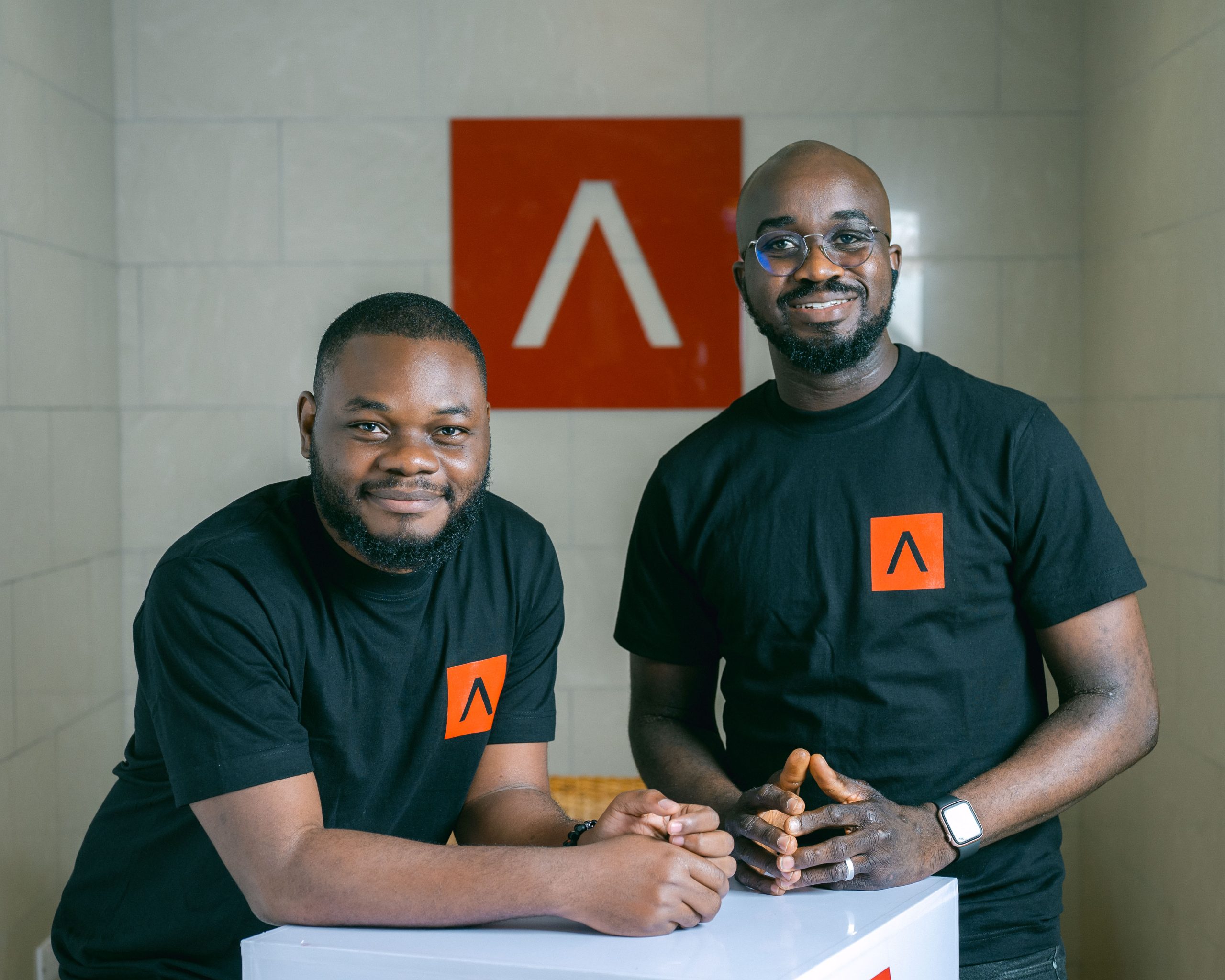
Ayobami: The Antler residency programme helped us understand our unit economics even more deeply. We know how much we’re going to spend on pretty much every film, and we’re able to run sustainably. We know what the ticket price should be. We understand the business down to the numbers. The Antler residency programme was very helpful—a fantastic experience.
Mayowa: When Antler called to say we were getting in, it was almost like “you must come in with Ayobami.” So we made it official. It was a masterstroke that we went in together because the programme was so intensive.
What was Polaroid doing that Filmporte is doing differently?
Mayowa: We are a film technology solutions company. Distribution is one of the many things we do. We’ve gone from solving for seamless digital distribution to building infrastructure for the entire film cycle, including commerce and distribution. The initial vision is still part of what we’re trying to do, but we’ve added more.
The initial vision for Polaroid was a tool to set up a virtual cinema, ticket your film, access all your audience data, have a real-time wallet, and pay out your earnings yourself. A Bumpa for films. That was the initial vision: solve that problem. But we quickly realised there’s a lot more to the business of film—marketing, managing rights, and other aspects where technology can help.
Why the names Polaroid and Filmporte?
Mayowa: I’m an engineer by training—I did physics. Polaroid is simply a box that beams out different rays of light in a spectrum. So from your virtual cinema, you can show anybody your films.
A port is a big infrastructure, like an airport. It offers much more to international travellers than just the runway and planes: ticketing, background checks, security, air traffic control, maintenance, weather control. We’re playing on the words to show there’s a lot more in the Filmporte infrastructure that will power the sustainability of films, beyond just the virtual cinema where people buy tickets to watch.
Piracy is a massive concern for creators. Can you explain the mechanics of your anti-piracy technology and how it provides a high level of security?
Mayowa: Filmmakers need to show they have distribution rights before their film can be published using Filmporte. If you publish your film with Filmporte, the actual film file is encrypted. We don’t ask for ownership of any film we power. We don’t demand 5%, 10%, or even 100%. We represent the producer.
On the viewer side, we have a multi-layered DRM solution that covers almost any device. You can’t screen record, screenshot, download, or screen share.
One thing that prompts people to pirate is not having access to a film. There’s a theory I haven’t fully tested: if something is available to everyone, there’s less motivation to pirate it. It doesn’t eliminate piracy completely, but it gives less motivation.
What is Filmporte’s team size?
Mayowa: There are 10 of us, not including our expert advisors who work with us almost daily. That includes Ayobami and me.
Many filmmakers struggle with the technical side. How have you balanced high-level DRM with a user interface accessible to someone who just wants to share their art?
Mayowa: When filmmakers are onboarded on Filmporte, they have a dashboard to make decisions for their films: upload, select release date, set ticket pricing, track transactions, and more. The interface is as simple as any other app you use today. If you can upload a film to YouTube and manage it, you can do the same on Filmporte. You don’t need to know anything technical to publish your film. The only thing is, you can’t sign up and start using it on your own. We need to onboard you because we have a filter—not every kind of film we will power.
What is Filmporte’s business model?
Mayowa: The upload fee for short films is $50; for feature-length films, it’s $150. That’s your admission fee for that film. We take a 15% revenue share of every ticket sold. So if you sell a ticket for ₦10,000 ($7.22), we take ₦1,500 ($1.08). That’s how we make money.
It’s currently available for immediate use by filmmakers. We powered two films in February for Laju Iren Films. It was a private screening for folks who pre-ordered tickets to watch Onobiren. Viewers from seven countries participated. We have over five films lined up for screening in Q2. Ticket sales for some will begin in early April.
What would success look like to you in five years?
Ayobami: Success is when creators can actually derive the utmost value from their creativity. A world where you understand that if you have data, you can stand toe-to-toe with anybody. If what you’ve created is deep, people will connect with it based on its originality.
Mayowa: In five years, Filmporte would be a household name for the lifecycle of films across major regions worldwide. Success for us is when you look at the top 10 films coming out of major regions, and Filmporte powers 50% of them. And in five years, we need to be profitable.
You May Also Like

Only an simpleton would turn up the heat — and Trump is doing exactly that

Why End of Life IT Assets Are a Hidden Compliance Risk for Fintech Companies and How IT Asset Disposition Services Help