

Walmart-Owned OnePay Adds More Than 10 Tokens to Its Crypto Service
Walmart-owned fintech app OnePay has added more than ten new tokens to its crypto service, rapidly expanding from a Bitcoin-and-Ethereum-only platform to one supporting over a dozen digital assets in under three months.
OnePay Expands Its Token Lineup Beyond Bitcoin and Ethereum
OnePay, the majority-owned Walmart fintech “superapp,” launched its crypto buying and selling feature in January 2026 with only Bitcoin (BTC) and Ethereum (ETH). By late March, the platform had added 13 new tokens across two batches.
The first batch, added around March 27, included ten tokens: Solana (SOL), Cardano (ADA), Bitcoin Cash (BCH), PAX Gold (PAXG), and others. Two days later, OnePay followed up with Sui (SUI), Polygon (POL), and Arbitrum (ARB), according to unconfirmed reports that three tokens in the initial batch have not been individually named in available sources.
The crypto service is powered by Chicago-based infrastructure provider Zerohash, which has raised $104 million from backers including Morgan Stanley and Interactive Brokers. OnePay’s digital wallet is usable at checkout in Walmart stores and on Walmart’s website, creating a direct bridge between retail shopping and crypto ownership.
At the time of the expansion, BTC traded at $66,206 while SOL, the most notable new addition, sat at $81.84 with a market cap of $46.9 billion.
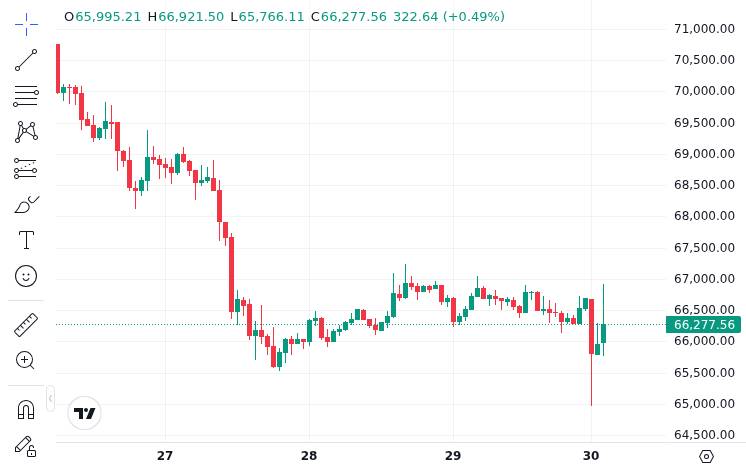 CoinMarketCap market data view included to frame the latest move in OnePay.
Why Walmart’s Reach Makes This a Mainstream Adoption Signal
OnePay is not a crypto-native exchange. It operates as an all-in-one finance app offering banking, savings, credit cards, loans, and wireless plans alongside its crypto feature. The platform serves over 3 million monthly active users, many of whom are Walmart employees and customers encountering crypto for the first time.
Walmart US operations generated $462.4 billion in net sales during fiscal 2025, giving OnePay an enormous potential distribution channel. The scale of Walmart’s retail footprint distinguishes OnePay from crypto-first platforms like Coinbase or Robinhood, which primarily target users already familiar with digital assets.
OnePay’s positioning puts it in direct competition with PayPal, Venmo, and Cash App, all of which already offer crypto trading within their consumer finance apps. The difference is OnePay’s explicit focus on “new to crypto” customers seeking an integrated experience, not a standalone trading platform. This approach mirrors the broader trend of Walmart-backed crypto integration that has been building since the app first announced its digital asset plans in late 2025.
The expansion also arrives during a period of extreme market pessimism. The Fear & Greed Index sat at 8 out of 100, deep in “Extreme Fear” territory, suggesting that institutional adoption pushes are pressing forward despite a risk-off environment. That pattern echoes broader market dynamics seen in recent crypto liquidation events where institutional players continued building while retail sentiment cratered.
OnePay’s Crypto Ambitions and What Comes Next
The speed of OnePay’s token expansion, from two assets to fifteen in under three months, signals an aggressive roadmap. General Manager Ron Rojany outlined the platform’s listing criteria in a statement accompanying the expansion.
That framework, demand plus liquidity plus regulatory clarity plus utility, explains why the initial expansion favored established layer-1 tokens like SOL and ADA alongside inflation-hedge plays like PAXG. The inclusion of layer-2 tokens ARB and POL in the second batch suggests OnePay is watching ecosystem maturity as a listing signal.
OnePay operates under money transmission licenses through its Zerohash partnership rather than as a registered crypto exchange, which shapes what assets can be offered. The regulatory environment under SEC Chair Paul Atkins has facilitated this kind of “super-app” crypto integration within compliant fintech platforms, a shift that has also opened the door for legislative efforts like the Congressional moves on crypto tax policy.
Whether OnePay continues adding tokens at this pace or shifts focus to trading features and deeper wallet integration remains unclear. Rojany’s emphasis on a “curated set” rather than comprehensive exchange-style listings suggests a measured approach, but the trajectory from two tokens to fifteen in 90 days speaks for itself.
Disclaimer: This article is for informational purposes only and does not constitute financial or investment advice. Cryptocurrency and digital asset markets carry significant risk. Always do your own research before making decisions.
You May Also Like
Walmart Recession Signal points to 'sharp economic downtown': Wall Street insider

Trump’s Critical Warning: US Engages Iran’s New Regime in High-Stakes Talks, Threatens Strikes if Diplomacy Fails


