WTI Crude Oil Plummets Below $100 as Trump’s Shocking Truce Proposal Leaves Hormuz Closed
BitcoinWorld
WTI Crude Oil Plummets Below $100 as Trump’s Shocking Truce Proposal Leaves Hormuz Closed
Global oil markets experienced dramatic volatility today as West Texas Intermediate crude futures plunged below the critical $100 per barrel threshold, marking a significant shift in energy market dynamics. This substantial price movement followed former President Donald Trump’s unexpected call for a regional truce in Middle Eastern conflicts while notably excluding the reopening of the strategically vital Strait of Hormuz from negotiations. Consequently, traders reacted swiftly to this geopolitical development, triggering one of the most substantial single-day declines in crude prices this year.
WTI Crude Oil Price Plummets Below Critical Threshold
The benchmark WTI crude oil contract for June delivery dropped 8.7% during today’s trading session, settling at $98.45 per barrel on the New York Mercantile Exchange. This represents the first sub-$100 close since early March and the largest percentage decline in nine months. Market analysts immediately identified several contributing factors to this dramatic move. First, Trump’s truce proposal created immediate uncertainty about future supply disruptions. Second, the continued closure of the Strait of Hormuz maintains significant logistical constraints. Third, inventory data showed unexpected builds in U.S. crude stocks.
Trading volume surged to approximately 2.3 million contracts, nearly double the 30-day average. Furthermore, the price decline accelerated during the European trading session as additional market participants digested the geopolitical implications. The $100 level had served as both psychological and technical support throughout recent months. Its breach triggered automated selling programs and stop-loss orders across multiple trading platforms. Market structure also shifted notably, with the prompt month contract trading at a discount to the second month for the first time in weeks.
Geopolitical Context of the Strait of Hormuz Closure
The Strait of Hormuz represents arguably the world’s most critical oil transit chokepoint. This narrow waterway between Oman and Iran connects the Persian Gulf with the Gulf of Oman and the Arabian Sea. Approximately 21 million barrels of oil pass through daily, representing nearly 21% of global petroleum liquid consumption. The closure, which began 47 days ago following regional escalations, has forced massive rerouting of tanker traffic around the Arabian Peninsula. This logistical challenge added significant costs and transit time to global oil shipments.
Trump’s truce proposal, delivered via social media and confirmed by advisors, called for immediate cessation of hostilities between Iran and Gulf Cooperation Council members. However, the proposal contained no specific provisions regarding the Strait’s reopening. Energy security experts expressed concern about this omission. “The Strait’s closure represents a persistent supply-side risk premium of approximately $15-20 per barrel in current pricing,” noted Dr. Elena Rodriguez, Senior Fellow at the Center for Energy Geopolitics. “Any truce that doesn’t address this fundamental infrastructure issue leaves markets exposed to future disruptions.”
Historical Precedents and Market Reactions
Historical data reveals that Hormuz disruptions typically add significant volatility to oil markets. During the 2019 tensions, WTI prices spiked 15% following tanker attacks near the Strait. The current closure represents the longest sustained interruption since the 1980s Tanker War. Market participants have responded with several adaptive measures. Shipping companies increased premiums for alternative routes by 300%. Refineries in Asia and Europe activated contingency supply plans. Strategic petroleum reserves saw coordinated releases from several consuming nations.
The table below illustrates key transit chokepoints and their daily oil flows:
| Chokepoint | Location | Daily Oil Flow (Million Barrels) | Primary Alternatives |
|---|---|---|---|
| Strait of Hormuz | Persian Gulf | 21.0 | Pipeline networks, Cape of Good Hope |
| Strait of Malacca | Indonesia/Malaysia | 16.0 | Lombok Strait, Sunda Strait |
| Suez Canal | Egypt | 5.5 | Cape of Good Hope |
| Danish Straits | Baltic Sea | 3.3 | Pipeline systems |
Market Mechanics and Price Discovery Impacts
The crude oil price decline reflects complex interactions between physical and paper markets. Physical traders reported increased availability of non-Middle Eastern crudes as buyers diversified sources. Nigerian Bonny Light and U.S. West Texas Intermediate grades traded at unusual premiums to Middle Eastern benchmarks. Paper markets showed even more dramatic moves. Options volatility spiked, particularly for out-of-the-money puts. The Volatility Index for crude oil options reached its highest level since the 2020 pandemic-induced market collapse.
Several key factors contributed to today’s price action:
- Speculative positioning: Managed money traders held near-record net long positions entering this week
- Technical breakdown: The breach of multiple support levels triggered algorithmic selling
- Fundamental shifts: Inventory data showed larger-than-expected builds in Cushing, Oklahoma storage
- Macroeconomic concerns: Simultaneous weakness in global equity markets reduced risk appetite
Open interest in WTI futures increased by 15%, indicating new short positions rather than long liquidation. This suggests traders are establishing new bearish views rather than simply exiting previous bullish positions. The forward curve structure flattened significantly, with the six-month calendar spread narrowing from $4.50 to $2.75 contango. This indicates reduced near-term supply concerns despite the ongoing Hormuz closure.
Energy Security and Strategic Implications
The continued closure of the Strait of Hormuz raises profound energy security questions for importing nations. Countries with diversified supply sources and substantial strategic reserves demonstrated greater resilience. Japan, which sources nearly 85% of its crude from the Middle East, activated emergency response measures. The International Energy Agency’s governing board convened an emergency session to discuss potential coordinated stock releases. Meanwhile, European Union energy ministers scheduled an extraordinary meeting to address supply diversification strategies.
Energy analysts identified several longer-term implications from today’s developments. First, the price decline may accelerate energy transition investments by reducing the economic advantage of fossil fuels. Second, geopolitical risk premiums may become more nuanced, distinguishing between various types of disruptions. Third, supply chain resilience is becoming increasingly valued in energy procurement decisions. Fourth, the role of strategic petroleum reserves is evolving from price stabilization tools to genuine security instruments.
Regional Diplomatic Dynamics and Future Scenarios
The diplomatic landscape surrounding the Strait of Hormuz involves multiple stakeholders with competing interests. Iran maintains that the closure represents a legitimate security measure in response to perceived threats. Gulf Cooperation Council members emphasize freedom of navigation principles under international law. The United States has deployed additional naval assets to the region while pursuing diplomatic channels. Other major powers, including China and India, have called for immediate reopening due to their substantial energy import dependence.
Several potential scenarios could unfold in coming weeks:
- Limited reopening: Partial access for neutral shipping under international supervision
- Extended closure: Continued restrictions with escalating regional tensions
- Pipeline alternatives: Accelerated use of existing and new pipeline infrastructure
- International mediation: United Nations or neutral party facilitation of negotiations
Each scenario carries distinct implications for oil markets, shipping logistics, and regional security. Energy market participants are developing contingency plans for all potential outcomes. Shipping companies are evaluating permanent route diversions. Refiners are testing crude slates with reduced Middle Eastern components. Traders are adjusting risk models to account for persistent chokepoint vulnerabilities.
Conclusion
The dramatic decline in WTI crude oil prices below $100 per barrel highlights the complex interplay between geopolitics and energy markets. Trump’s truce proposal without Hormuz reopening created unexpected market dynamics that overwhelmed previous supply concerns. The continued closure of this critical chokepoint maintains underlying supply risks despite today’s price decline. Market participants now face a transformed landscape where geopolitical developments can trigger rapid repricing of risk premiums. The coming weeks will reveal whether today’s price movement represents a temporary correction or a fundamental reassessment of energy market dynamics in an increasingly volatile world.
FAQs
Q1: Why did WTI crude oil prices drop below $100 per barrel?
The price decline resulted from multiple factors including Trump’s truce proposal, continued Strait of Hormuz closure, unexpected inventory builds, and broader market risk aversion. Technical breakdowns at key support levels accelerated the selling pressure.
Q2: What is the strategic importance of the Strait of Hormuz?
The Strait of Hormuz is the world’s most important oil transit chokepoint, handling approximately 21 million barrels daily. Its closure forces costly rerouting of tankers and creates significant supply chain vulnerabilities for importing nations.
Q3: How are oil markets responding to the continued Hormuz closure?
Markets have developed workarounds including alternative shipping routes, pipeline utilization, crude slate adjustments, and strategic reserve releases. However, these measures add costs and complexity to global oil logistics.
Q4: What are the energy security implications of today’s price movement?
The price decline highlights the tension between immediate market signals and long-term supply risks. Countries are reassessing supply diversification, strategic reserves, and emergency response capabilities in light of persistent chokepoint vulnerabilities.
Q5: How might this situation evolve in coming weeks?
Potential scenarios include limited Strait reopening, extended closure with escalating tensions, accelerated pipeline development, or international mediation. Each outcome carries distinct implications for oil prices, shipping, and regional stability.
This post WTI Crude Oil Plummets Below $100 as Trump’s Shocking Truce Proposal Leaves Hormuz Closed first appeared on BitcoinWorld.
You May Also Like
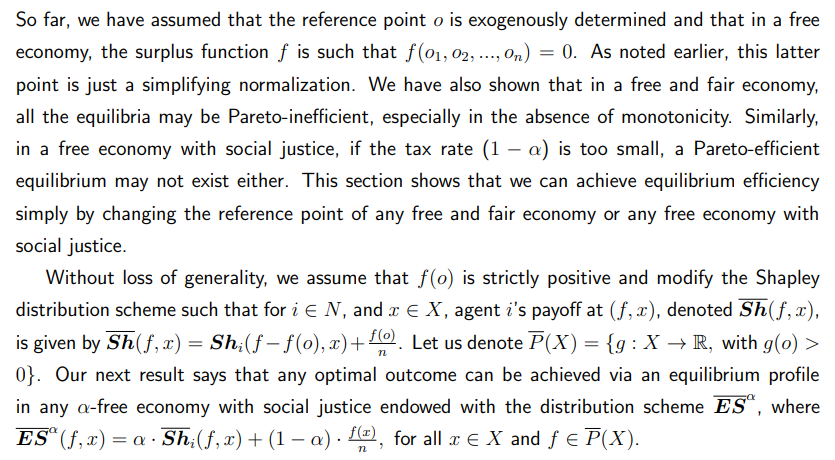
The Role of Reference Points in Achieving Equilibrium Efficiency in Fair and Socially Just Economies

Cryptos Signal Divergence Ahead of Fed Rate Decision