

Inside the 2026 blockchain graveyard: 20+ crypto projects that died in Q1
Three months into the year, the blockchain graveyard is filling up faster than anyone expected. Over 20 crypto projects, from DeFi heavyweights to NFT marketplaces, governance tools, and even Bitcoin miners, have already announced shutdowns, phased wind-downs, or outright bankruptcy.
It’s not the rug-pull chaos of 2022.
These are mostly honourable exits, with user funds intact and teams transparent about the math that no longer adds up. Here’s every confirmed case with key details on timing and reasons:
1. Tally: Governance platform that powered votes for 500+ DAOs (including Uniswap, Arbitrum, and ENS). Tally quietly ceased all operations in mid-March 2026 because of unsustainable costs.
2. Balancer Labs: The original entity behind the Balancer Protocol wound down operations in late March, announced March 24, citing legal exposure from past exploits, lack of sustainable revenue, and corporate overhead. The decentralised protocol itself continues.

3. Angle Protocol: Phased shutdown of its EURA and USDA stablecoins (combined $250M TVL at peak). Announced in early-to-mid March amid shifting stablecoin markets and liquidity challenges.
4. Milky Way: Celestia liquid-staking protocol (peaked at $250M TVL). Permanently closed January 15, 2026, after liquidity completely dried up.
5. Polynomial Protocol: The derivatives platform (processed $4B peak volume) walked away from operations due to persistent liquidity issues and high costs.
6. Step Finance: Winding down all operations in late February after a major hack; failed rescue efforts led to immediate shutdown.
7. ZeroLend: DeFi lending protocols retrenched or fully folded amid the broader liquidity crunch.
8. Slingshot: A DeFi aggregator/project shut down as part of the early 2026 wave.
9. Magic Eden: Dominant cross-chain NFT marketplace (especially Solana, Bitcoin Ordinals/Runes). Winding down the EVM marketplace and Bitcoin API (March 9) and wallet (April 1), with full closure eyed for early April.
10. Nifty Gateway: The Gemini-owned NFT marketplace shut down effective February 2026 amid collapsing NFT trading volumes.
11. DappRadar: Veteran dApp analytics platform shut down after years of unsuccessful monetisation attempts.
12. Parsec: The AI-driven on-chain analytics platform shut down February 19, 2026, after five years of operation.
13. Entropy: Self-custody/crypto custody startup (raised $25M). Fully closed in January 2026; founder returned remaining capital to investors due to insufficient growth in current market conditions.
14. DataHaven: A DeFi/analytics-related project is listed among early 2026 shutdowns.
 2026 Blockchain companies shutdown
15. Bit.com: The analyst-favoured crypto exchange began a phased shutdown in late 2025, with full closure by March 31, 2026, as part of business restructuring.
16. NFN8 Group: A U.S.-based Bitcoin miner filed Chapter 11 bankruptcy after a devastating data centre fire.
17. BitRiver: Russia’s largest mining operation entered bankruptcy proceedings.
18. Bitfarms: A publicly listed miner fully exited Bitcoin mining operations and pivoted entirely to AI data centres (rebranding efforts reported).
19. Bitdeer Technologies: Sold off all Bitcoin holdings and pivoted treasury/operations toward AI/HPC infrastructure.
20. American Bitcoin Corp: Trump-backed mining/play experienced major losses and a 90%+ stock decline, effectively in high-risk/bust territory.
21. GENSO Online: The fantasy RPG/GameFi title announced the full shutdown of servers, the marketplace, and services on April 30, 2026 (announced in late February), citing server costs running five times revenue.
22. Pixiland: Pixel, a strategy game on Ronin, indefinitely suspended all Web3/token plans in mid-January and pivoted to a pure Web2/offline model.
23. Forgotten Runiverse: The Ethereum/Ronin-based MMORPG went dark indefinitely (announced late January), citing financial infeasibility while preserving player data.
24. Archblock: The crypto firm filed for Chapter 11 in early February 2026 ( $100M liabilities vs. $10M assets).
25. Blockfills: The crypto trading/lending platform filed for Chapter 11 on March 15, 2026, amid a liquidity crisis.
26. Tudou Guarantee: Telegram-based crypto escrow/marketplace (Southeast Asia-focused) shut down in January following regulatory action tied to illicit activity.
The catalyst behind the crypto cull
What’s driving the cull? The post-2025 liquidity hangover is the obvious culprit. After a bull run that pumped TVL to record levels, capital retreated to safety: Bitcoin ETFs, blue-chip protocols, and stablecoins.
What’s left behind are projects that chased growth with unsustainable incentives, only to watch users bolt when APYs normalised. High fixed costs, such as legal teams, compliance, and cross-chain maintenance, became fatal. Add in the occasional hack, and the math turns ugly fast.
Narrative whiplash hasn’t helped. Restaking, GameFi, and NFTs, the stories that dominated 2024-25, have lost their shine. Capital is rotating toward “real yield” and tokenised real-world assets, leaving the rest to fight over scraps.
Macro uncertainty, including U.S. policy gridlock, hasn’t exactly boosted confidence either.
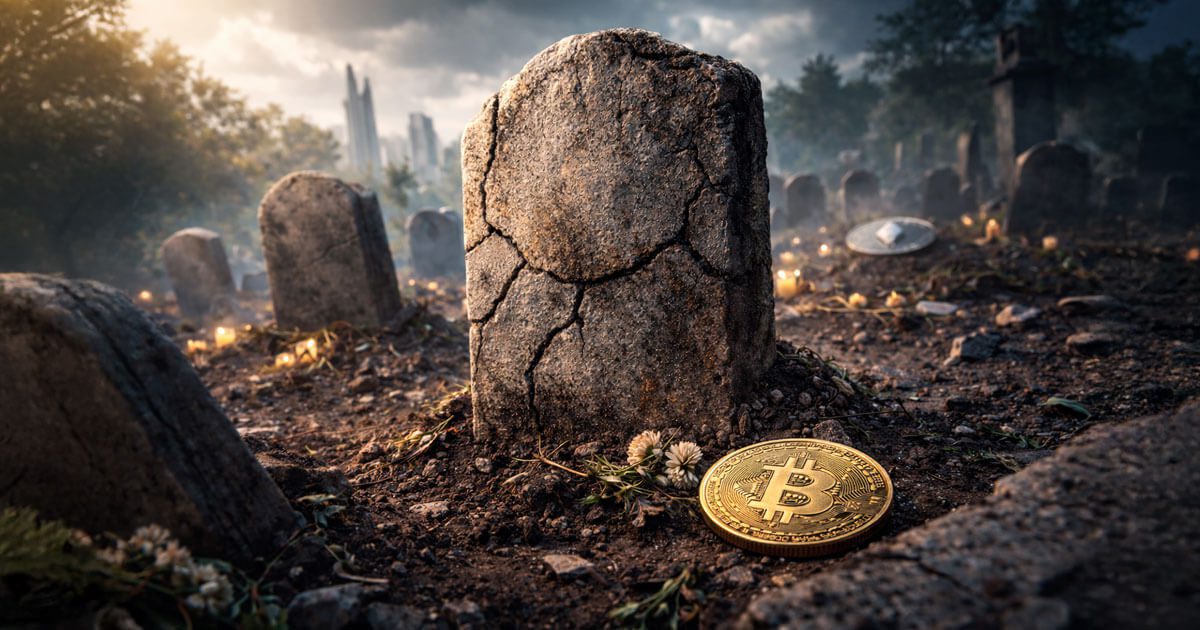
Yet there’s a silver lining in the wreckage. Most of these shutdowns have been orderly: teams are communicating early, users are withdrawing safely, and there are no sudden rug pulls. That’s a far cry from the Wild West days.
It signals maturation: the industry is weeding out the speculative fluff, forcing survivors to focus on efficiency and genuine utility.
Look at Balancer’s playbook: zero emissions, routing fees to the DAO, and a strict product focus. It’s the same medicine others are swallowing, or should be. True decentralisation isn’t just a buzzword anymore; it’s the only way to shed corporate drag and legal risk. DAOs and foundations are stepping up where VCs and labs once held sway.
RootData’s “2026 Crypto Dead Projects List” now sits at 21 entries and counting. Trackers like PANews call it a “brutal reshuffle”. But history suggests these resets clear the field for the next wave.
The 2018 ICO bust birthed DeFi. The 2022 crash birthed institutions. 2026’s purge? It could birth something leaner, more resilient, and protocols that generate real fees, not just hype.
For builders, the lesson is stark: build for revenue from day one, not endless dilution. For users and investors, it’s a reminder that not every token moonshot is built to last. Capital and talent are consolidating around the strong. The weak are exiting the stage.
This isn’t the death of crypto innovation. It’s the painful adolescence of an industry finally growing up. The survivors will inherit a trillion-dollar DeFi landscape that rewards substance over spectacle. The question now is who’s left standing when the dust settles.
The post Inside the 2026 blockchain graveyard: 20+ crypto projects that died in Q1 first appeared on Technext.
You May Also Like
The Role of Reference Points in Achieving Equilibrium Efficiency in Fair and Socially Just Economies

Cryptos Signal Divergence Ahead of Fed Rate Decision


