Strait of Hormuz Opening: Trump’s Bold Claim Sparks Global Energy Security Debate
BitcoinWorld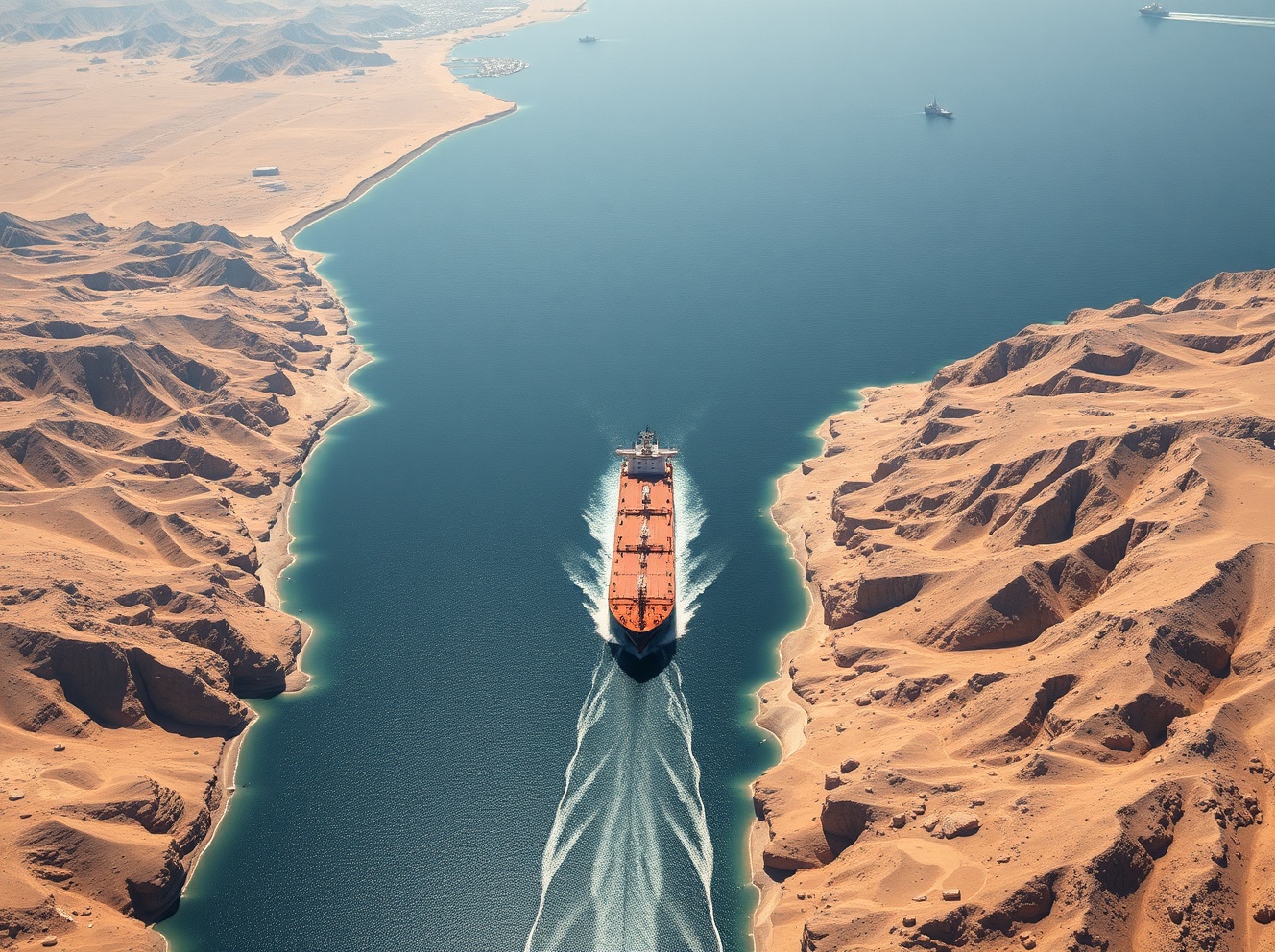
Strait of Hormuz Opening: Trump’s Bold Claim Sparks Global Energy Security Debate
WASHINGTON, D.C. – March 15, 2025 – Former President Donald Trump’s recent statement about opening the Strait of Hormuz has ignited discussions about global energy security and Middle Eastern geopolitics. The strategic waterway remains one of the world’s most critical maritime chokepoints for oil transportation. Consequently, any discussion about altering its operational status carries significant implications for international markets and diplomatic relations.
Strait of Hormuz: The World’s Oil Artery
The Strait of Hormuz represents a narrow passage between Oman and Iran. This waterway connects the Persian Gulf with the Gulf of Oman and the Arabian Sea. Approximately 21 million barrels of oil pass through daily. That volume represents about 21% of global petroleum consumption. Furthermore, nearly 25% of global liquefied natural gas trade transits this corridor. The strait’s width ranges from 21 to 60 nautical miles. However, shipping lanes are just two miles wide in each direction. This geographical constraint creates natural bottlenecks for maritime traffic.
Several nations border this critical waterway. Iran controls the northern coastline. Oman occupies the southern shore. The United Arab Emirates and Saudi Arabia also maintain significant interests nearby. International law governs transit passage through the strait. The United Nations Convention on the Law of the Sea establishes these rules. Nevertheless, regional powers frequently test these boundaries. Iran has repeatedly conducted military exercises in the area. These demonstrations highlight Tehran’s capability to disrupt shipping if necessary.
Historical Context of Strait Tensions
Geopolitical tensions around the Strait of Hormuz have persisted for decades. The 1980s Tanker War during the Iran-Iraq conflict saw numerous attacks on commercial shipping. More recently, incidents have included:
- 2019 attacks: Multiple tankers experienced mining operations
- 2021 seizure: Iranian forces captured a South Korean vessel
- 2023 confrontations: U.S. and Iranian naval forces had close encounters
- 2024 drone incidents: Unmanned systems targeted commercial ships
The United States Fifth Fleet maintains a permanent presence in Bahrain. This deployment aims to ensure freedom of navigation. Additionally, the International Maritime Security Construct coordinates multinational patrols. These efforts involve nations including the United Kingdom, Australia, and Saudi Arabia. Their collective mission focuses on deterring hostile actions against commercial vessels.
Analyzing Trump’s Strait of Hormuz Statement
Former President Trump made his remarks on the Truth Social platform. He suggested the United States could “easily open” the strategic waterway. His statement implied this action would enable crude oil acquisition. Additionally, he projected significant revenue generation from such operations. Trump further asserted this move would benefit the global community. These comments arrive during ongoing discussions about American energy independence.
Energy analysts immediately scrutinized the statement’s practical implications. Opening the strait implies removing existing restrictions or threats. Currently, no physical blockade obstructs the waterway. However, insurance premiums for vessels transiting the area remain elevated. These costs reflect perceived security risks. Consequently, any “opening” would likely involve enhanced security guarantees. Such guarantees could reduce insurance costs and encourage increased traffic.
| Metric | Volume | Global Share |
|---|---|---|
| Crude Oil | 17.5 million bpd | 21% |
| LNG | 3.2 million bpd equivalent | 25% |
| Total Petroleum | 20.7 million bpd | 21% |
| Daily Tankers | 45-55 vessels | N/A |
Military and Diplomatic Considerations
Any American-led initiative would require substantial military resources. The U.S. Navy already conducts regular patrols in the region. However, establishing complete security would demand increased presence. This escalation could trigger responses from regional actors. Iran maintains significant asymmetric capabilities. These include:
- Fast attack craft capable of swarm tactics
- Anti-ship missile batteries along the coastline
- Extensive mine-laying capabilities
- Submarine forces that could harass shipping
Diplomatic challenges would accompany military considerations. Regional partners hold varying perspectives on American involvement. Gulf Cooperation Council members generally welcome U.S. presence. Conversely, Iran views American patrols as provocative. European nations prioritize stability but prefer diplomatic solutions. China and Russia advocate for regional leadership without Western interference. These competing interests create complex negotiation landscapes.
Global Energy Market Implications
The global energy market remains highly sensitive to Strait of Hormuz disruptions. Even perceived threats can trigger price volatility. For instance, 2019 attacks caused Brent crude prices to spike 4%. Insurance premiums for tankers increased 10% following those incidents. Shipping companies sometimes reroute vessels around Africa. This alternative adds approximately 15 days to transit times. Consequently, transportation costs rise significantly.
Major economies exhibit varying vulnerability levels. Asian nations demonstrate particular dependence on Hormuz transit. Consider these regional dependencies:
- China: Imports 40% of its oil through the strait
- India: Receives 60% of its crude via this route
- Japan: Depends on the corridor for 80% of oil imports
- South Korea: Transits 70% of its energy needs through Hormuz
European nations maintain strategic petroleum reserves. These stockpiles provide 90 days of consumption coverage. However, prolonged disruptions would still impact economies. The United States has reduced Middle Eastern oil dependence recently. Domestic shale production now supplies most American needs. Nevertheless, global price mechanisms ensure U.S. markets feel international disruptions.
Alternative Routes and Infrastructure
Several bypass options exist but face capacity limitations. The East-West Pipeline crosses Saudi Arabia. This infrastructure carries 5 million barrels daily from the Gulf to the Red Sea. However, maximum capacity constraints prevent complete substitution. The Abu Dhabi Crude Oil Pipeline offers another alternative. This system moves 1.5 million barrels daily to the Fujairah terminal. From there, tankers can bypass the strait entirely.
United Arab Emirates has invested heavily in bypass infrastructure. The Habshan-Fujairah pipeline represents a strategic achievement. This 360-kilometer system provides redundancy against Hormuz closures. Similarly, Saudi Arabia expanded its Petroline pipeline capacity. These investments reflect long-term regional planning. Gulf states recognize their vulnerability to chokepoint disruptions. Consequently, they diversify export routes whenever possible.
Expert Perspectives on Strait Security
Security analysts emphasize the complexity of Hormuz operations. Dr. Sarah Jenkins from the Center for Naval Analyses notes, “Maintaining open waterways requires constant diplomatic engagement alongside military presence.” She highlights historical precedents where freedom of navigation operations prevented escalation. However, she cautions against unilateral actions that might destabilize regional balances.
Energy economist Michael Chen observes market dimensions. “The term ‘opening’ implies removing existing constraints,” Chen explains. “Currently, the strait operates under normal conditions despite elevated risks. Any American guarantee would need binding international agreements to affect insurance markets meaningfully.” He references 2022 data showing war risk premiums adding $0.50 per barrel to transport costs.
Regional experts highlight local perspectives. Professor Ali Hassan from Qatar University states, “Gulf Arab states welcome international protection but resist perceived American hegemony. They seek balanced relationships with multiple global powers.” This perspective explains why regional responses to U.S. initiatives often appear measured rather than enthusiastic.
Conclusion
The Strait of Hormuz remains indispensable to global energy flows. Former President Trump’s statement highlights ongoing strategic importance. However, practical implementation would involve complex military, diplomatic, and economic considerations. Regional stability requires multilateral cooperation rather than unilateral action. Energy security depends on diversified supply routes and strategic reserves. Ultimately, the waterway’s significance ensures continued international attention. Any policy changes will reverberate through global markets and diplomatic channels.
FAQs
Q1: What percentage of global oil passes through the Strait of Hormuz?
Approximately 21% of global petroleum consumption transits the Strait of Hormuz daily, representing about 21 million barrels of oil.
Q2: Which countries control the Strait of Hormuz?
Iran controls the northern coastline while Oman controls the southern shore. The United Arab Emirates and Saudi Arabia also have territorial waters near the strait.
Q3: How has the United States historically protected shipping in the region?
The U.S. Fifth Fleet based in Bahrain conducts regular patrols and freedom of navigation operations. The U.S. also leads the International Maritime Security Construct, a multinational coalition.
Q4: What alternative routes exist if the Strait of Hormuz closes?
Major alternatives include Saudi Arabia’s East-West Pipeline (5 million bpd capacity), the Abu Dhabi Crude Oil Pipeline (1.5 million bpd), and longer shipping routes around Africa’s Cape of Good Hope.
Q5: How do disruptions in the Strait of Hormuz affect global oil prices?
Even perceived threats typically increase Brent crude prices by 3-5% initially. Prolonged disruptions can spike prices 15-20% due to supply concerns and increased transportation costs.
This post Strait of Hormuz Opening: Trump’s Bold Claim Sparks Global Energy Security Debate first appeared on BitcoinWorld.


Ayrıca Şunları da Beğenebilirsiniz

USDC Treasury mints 250 million new USDC on Solana

Spot CVD Chart Reveals Critical Bitcoin Support Levels as Institutional Orders Surge on April 2