

Iran US Relations Hit Stalemate as Tehran Rejects Islamabad Meeting, Calls Demands Unacceptable
BitcoinWorld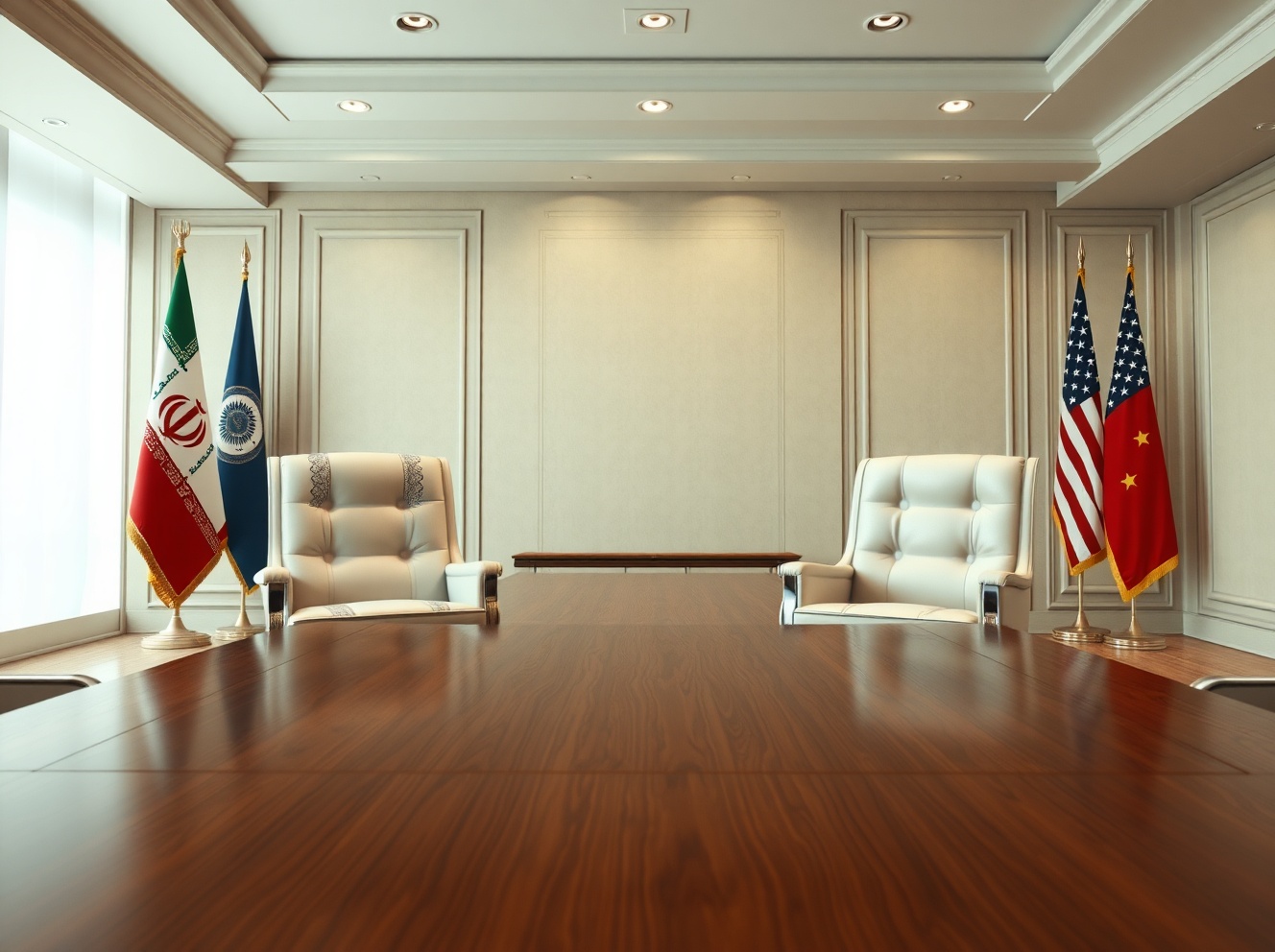
Iran US Relations Hit Stalemate as Tehran Rejects Islamabad Meeting, Calls Demands Unacceptable
Iran has definitively rejected a proposed meeting with United States officials in Islamabad, declaring American demands unacceptable and creating another diplomatic stalemate in their tense relationship. This development, reported by Walter Bloomberg, represents a significant setback for diplomatic efforts between the two nations. The refusal comes amid ongoing regional tensions and complex negotiations regarding Iran’s nuclear program.
Iran US Relations Face New Diplomatic Hurdle
Tehran’s announcement that it will not meet with U.S. officials in Pakistan’s capital in the coming days marks a clear diplomatic rebuff. Iranian officials have characterized American demands as fundamentally unacceptable. This position reflects deep-seated disagreements that have persisted for decades. The proposed Islamabad meeting was reportedly intended to address several pressing issues.
These issues likely included discussions about Iran’s nuclear activities and regional security concerns. Furthermore, the refusal underscores Tehran’s current strategic calculus. Iranian leadership appears to be prioritizing other diplomatic channels and alliances. Consequently, this decision will impact broader Middle Eastern geopolitics. Regional actors are closely monitoring these developments for potential implications.
Historical Context of US Iran Diplomatic Tensions
The relationship between Washington and Tehran has experienced numerous cycles of tension and limited engagement. Since the 1979 Islamic Revolution, direct diplomacy has been exceptionally rare. The 2015 Joint Comprehensive Plan of Action (JCPOA), commonly known as the Iran nuclear deal, represented a major diplomatic achievement. However, the United States withdrew from the agreement in 2018 under the Trump administration.
Subsequent attempts to revive the nuclear deal have faced substantial obstacles. The Biden administration initially expressed willingness to re-engage diplomatically. Nevertheless, progress has been consistently hampered by several factors:
- Sanctions Policy: Disagreements over which economic sanctions should be lifted
- Nuclear Compliance: Verification of Iran’s nuclear program limits
- Regional Activities: Iran’s support for proxy groups across the Middle East
- Domestic Politics: Political pressures within both countries
These persistent issues have created a complex diplomatic landscape. Each side maintains fundamentally different positions on core matters. Therefore, finding common ground remains exceptionally challenging.
Expert Analysis of Current Diplomatic Impasse
Regional analysts note that Iran’s refusal follows a pattern of calculated diplomatic positioning. Tehran frequently uses meeting refusals as leverage in broader negotiations. The choice of Islamabad as a proposed venue is particularly significant. Pakistan maintains relationships with both nations and has historically served as an intermediary.
However, Iran’s current rejection suggests diminished confidence in third-party mediation. Instead, Iranian officials may be seeking more direct communication channels. Alternatively, they might be waiting for more favorable political conditions. The upcoming U.S. presidential election cycle could influence Tehran’s timing strategy.
International observers emphasize several key considerations. First, Iran faces substantial domestic economic pressures due to sanctions. Second, regional security dynamics continue to evolve rapidly. Third, global energy markets remain sensitive to Middle Eastern stability. These interconnected factors create a multidimensional diplomatic puzzle.
Regional Implications of Stalled Diplomacy
The diplomatic impasse carries significant consequences for Middle Eastern security architecture. Several regional conflicts involve Iranian-backed groups and U.S. allies. Without direct communication channels, the risk of miscalculation increases substantially. Recent incidents in the Persian Gulf and Red Sea highlight this danger.
Neighboring countries are assessing potential impacts on their own security policies. Gulf Cooperation Council (GCC) states maintain complex relationships with both Iran and the United States. Similarly, Israel monitors Iran’s nuclear program with intense concern. The absence of U.S.-Iran dialogue complicates regional diplomacy for all actors.
| Date | Event | Outcome |
|---|---|---|
| 2015 | JCPOA Signed | Comprehensive nuclear agreement |
| 2018 | US Withdrawal | Renewed sanctions imposed |
| 2021-2023 | Vienna Talks | Intermittent negotiations |
| 2024 | Oman Mediation | Limited prisoner exchange |
| 2025 | Islamabad Proposal | Iran rejection reported |
This timeline illustrates the pattern of engagement and disengagement. Each phase reflects changing political calculations. The current rejection continues this established pattern. However, the specific context has evolved considerably.
Economic and Strategic Considerations
Economic factors play a crucial role in diplomatic calculations. Iran’s economy faces persistent challenges from U.S. sanctions. The potential for sanctions relief represents a powerful incentive for engagement. Conversely, Iran has developed alternative economic partnerships. These include deepening ties with China and Russia through strategic agreements.
Energy markets represent another critical dimension. Iran possesses substantial oil and gas reserves. Its full return to global markets could impact prices significantly. However, current sanctions limit this potential. The diplomatic stalemate therefore maintains existing market conditions. Major energy consumers monitor these developments closely.
Strategic military considerations also influence diplomatic postures. Iran continues to develop its defensive capabilities. Regional arms dynamics remain highly sensitive. Direct communication channels could theoretically reduce conflict risks. Their absence increases the potential for unintended escalation.
International Community Response and Next Steps
The international community has reacted cautiously to the latest development. European signatories to the JCPOA continue advocating for diplomatic solutions. The United Nations maintains its monitoring role regarding nuclear compliance. Regional organizations emphasize conflict prevention measures.
Potential next steps could involve several approaches. Backchannel communications might continue despite the public refusal. Alternative mediators could propose different venues or formats. Confidence-building measures might address less contentious issues first. However, fundamental disagreements require substantial political will to resolve.
Observers identify several possible scenarios moving forward. A prolonged stalemate represents the most likely immediate outcome. Alternatively, indirect talks through intermediaries might resume quietly. A breakthrough remains possible but currently appears distant. The broader geopolitical context will determine eventual directions.
Conclusion
Iran’s rejection of proposed US diplomatic talks in Islamabad underscores the profound challenges in their bilateral relationship. The declaration that American demands are unacceptable reflects deep-seated disagreements on multiple fronts. This diplomatic impasse affects not only US Iran relations but also regional stability and global security architecture. Moving forward, both nations face difficult choices between confrontation and compromise. The international community continues watching for signals of potential diplomatic openings despite current obstacles.
FAQs
Q1: Why did Iran refuse to meet with US officials in Islamabad?
Iranian officials stated that US demands were unacceptable, reflecting fundamental disagreements on issues including sanctions, nuclear program verification, and regional security policies.
Q2: What was the purpose of the proposed Islamabad meeting?
The meeting likely aimed to address ongoing concerns about Iran’s nuclear program, regional activities, and potential steps toward diplomatic normalization between the two countries.
Q3: How does this refusal affect the Iran nuclear deal (JCPOA)?
This development represents another setback for efforts to revive the 2015 nuclear agreement, making comprehensive diplomatic progress increasingly difficult in the current political climate.
Q4: What are the regional implications of stalled US-Iran diplomacy?
Reduced direct communication increases risks of miscalculation in regional conflicts, affects security calculations for Gulf states and Israel, and complicates broader Middle Eastern diplomacy.
Q5: Are there alternative diplomatic channels still open between the US and Iran?
While direct talks are currently refused, backchannel communications through intermediaries and discussions on specific issues like prisoner exchanges may continue through third parties.
This post Iran US Relations Hit Stalemate as Tehran Rejects Islamabad Meeting, Calls Demands Unacceptable first appeared on BitcoinWorld.


Ayrıca Şunları da Beğenebilirsiniz

Exclusive interview with Smokey The Bera, co-founder of Berachain: How the innovative PoL public chain solves the liquidity problem and may be launched in a few months

edgeX (EDGE) Surges 44.9% to All-Time High: Volume Spike Analysis




