Tether’s Shocking Uruguay Mining Exit: How Electricity Costs Crushed $500M Crypto Dreams
BitcoinWorld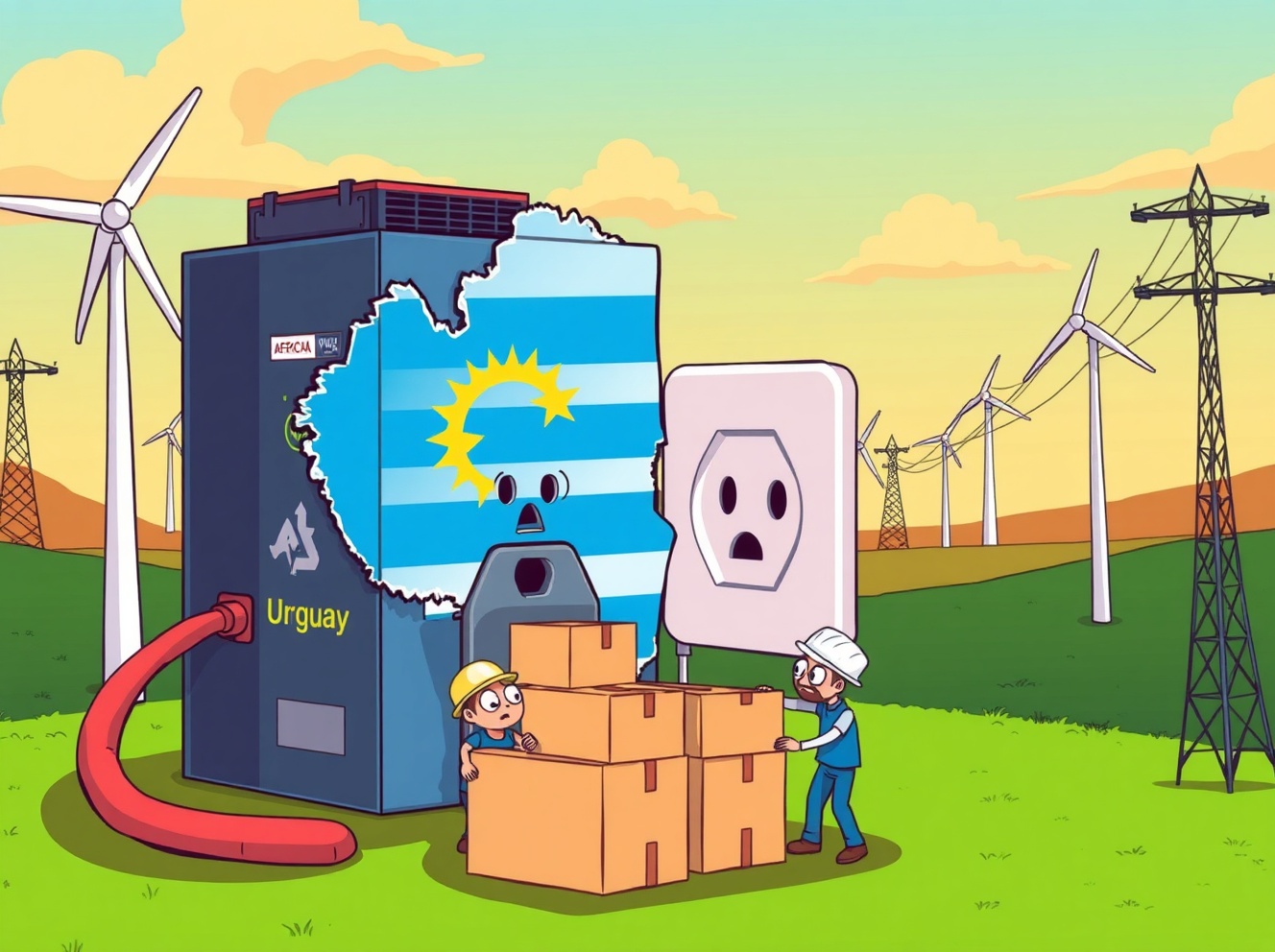
Tether’s Shocking Uruguay Mining Exit: How Electricity Costs Crushed $500M Crypto Dreams
In a stunning development that’s sending shockwaves through the cryptocurrency industry, Tether is abruptly shutting down its mining operations in Uruguay. The decision comes after failed negotiations with local authorities over electricity rates, forcing the crypto giant to abandon what was once a promising $500 million investment. This dramatic exit highlights the critical challenges facing cryptocurrency mining operations worldwide.
Why Did Tether Uruguay Mining Operations Face Such Rapid Collapse?
The core issue revolves around electricity costs, which have become increasingly problematic for cryptocurrency mining operations globally. Tether had initially planned substantial investments in Uruguay, attracted by the country’s renewable energy potential. However, negotiations with local authorities reached an impasse over power pricing, making the operations economically unviable.
According to reports, the company is now laying off most of its local staff and completely withdrawing from the country. This represents a significant setback for both Tether’s expansion plans and Uruguay’s ambitions to become a cryptocurrency mining hub.
What Challenges Do Crypto Mining Operations Face?
Cryptocurrency mining operations confront several critical challenges that can make or break their success:
- Electricity costs – The single largest operational expense
- Regulatory uncertainty – Changing government policies
- Infrastructure requirements – Reliable power and cooling systems
- Community relations – Local acceptance and support
The Tether Uruguay mining situation perfectly illustrates how these factors can combine to derail even well-funded projects. When electricity costs become prohibitive, the entire business model collapses.
How Does This Impact the Broader Cryptocurrency Industry?
Tether’s withdrawal from Uruguay sends a clear message to the cryptocurrency sector. Mining operations must carefully evaluate their energy dependencies and regulatory environments. The failed Tether Uruguay mining venture demonstrates that even countries with attractive renewable energy resources can present unexpected challenges.
Moreover, this development may cause other cryptocurrency companies to reconsider their expansion plans in similar markets. The incident underscores the importance of stable regulatory frameworks and predictable energy pricing for sustainable cryptocurrency mining operations.
What Can We Learn From Tether’s Experience?
The collapse of the Tether Uruguay mining project offers valuable lessons for the entire industry. First, comprehensive due diligence is essential before committing to large-scale investments. Second, long-term energy contracts with predictable pricing are crucial for operational stability. Finally, maintaining positive relationships with local authorities and communities can prevent sudden operational disruptions.
These insights are particularly relevant as the cryptocurrency mining industry continues to evolve and seek sustainable operating models in an increasingly competitive landscape.
Conclusion: The Future of Cryptocurrency Mining
Tether’s abrupt exit from Uruguay serves as a cautionary tale for cryptocurrency mining operations worldwide. While the promise of renewable energy and favorable conditions initially attracted significant investment, the reality of operational costs and regulatory challenges proved overwhelming. The Tether Uruguay mining shutdown reminds us that sustainable cryptocurrency operations require more than just technical capability – they demand stable economic partnerships and predictable regulatory environments.
As the industry matures, we can expect more careful evaluation of potential mining locations and greater emphasis on long-term sustainability rather than short-term opportunities.
Frequently Asked Questions
Why did Tether choose Uruguay for mining operations initially?
Tether selected Uruguay due to its abundant renewable energy resources and initially favorable regulatory environment, making it attractive for energy-intensive cryptocurrency mining.
How many jobs were affected by the shutdown?
While exact numbers aren’t specified, reports indicate Tether is laying off “most of its local staff” in Uruguay as part of the complete operational withdrawal.
Could Tether return to Uruguay if conditions improve?
While theoretically possible, the complete withdrawal of operations and staff suggests Tether has moved on to other opportunities, making a return unlikely in the near future.
How does this affect Tether’s other business operations?
The Uruguay mining shutdown primarily impacts Tether’s mining expansion plans but doesn’t directly affect their stablecoin operations, which remain their core business.
Are other cryptocurrency mining companies facing similar challenges?
Yes, many mining operations globally are grappling with rising energy costs and regulatory uncertainties, though the specific challenges vary by region.
What alternatives does Tether have for mining operations?
Tether can explore other countries with stable energy pricing, favorable regulations, and reliable infrastructure for future mining ventures.
Found this analysis of Tether’s Uruguay mining shutdown insightful? Share this article with fellow cryptocurrency enthusiasts and professionals who need to understand the evolving landscape of crypto mining operations. Your shares help spread crucial industry knowledge!
To learn more about the latest cryptocurrency mining trends, explore our article on key developments shaping Bitcoin mining operational challenges and future opportunities.
This post Tether’s Shocking Uruguay Mining Exit: How Electricity Costs Crushed $500M Crypto Dreams first appeared on BitcoinWorld.
Ayrıca Şunları da Beğenebilirsiniz

Will Bitcoin Soar or Stumble Next?


Oracle (ORCL) Stock: $300 Billion OpenAI Bet Backfires as Shares Plunge