The post Solana Builders Question Base Bridge’s Bidirectionality in Escalating Rivalry appeared on BitcoinEthereumNews.com. The Base Solana bridge, launched on December 4, enables seamless asset transfers between the two ecosystems using Chainlink CCIP and Coinbase infrastructure. This move has sparked controversy, with Solana developers accusing Base of prioritizing its own growth over true interoperability, while Base insists on mutual benefits for developers and users. Launch Details: The bridge supports bidirectional asset movement, integrating early with Base-native apps like Aerodrome and Zora to facilitate liquidity across chains. Escalating Tensions: Solana’s key figures, including CEO Mert Mumtaz and co-founder Anatoly Yakovenko, have criticized the initiative as a potential vampire attack disguised as collaboration. Potential Impacts: Data from on-chain activity shows Solana’s meme coin and NFT markets could funnel value to Base, raising concerns about net export for Solana’s economy. Discover the Base Solana bridge controversy: How interoperability claims clash with competition in crypto. Explore key debates, benefits, and risks for developers—read now for insights on blockchain rivalries. What is the Base Solana Bridge and Why Has It Caused Controversy? The Base Solana bridge is a cross-chain infrastructure connecting the Base network, built on Ethereum Layer 2 by Coinbase, with the high-speed Solana blockchain, allowing users to transfer assets like SOL and SPL tokens bidirectionally. Launched on December 4, it leverages Chainlink’s Cross-Chain Interoperability Protocol (CCIP) and Coinbase’s secure framework for reliable transfers. The controversy stems from Solana community’s accusations that Base’s rollout favors its own ecosystem, potentially extracting value from Solana without reciprocal benefits, as highlighted in public debates involving leaders like Jesse Pollak and Anatoly Yakovenko. How Does the Base Solana Bridge Impact Ecosystem Competition? The bridge’s design enables Base applications, such as Aerodrome for decentralized exchanges and Zora for NFTs, to import Solana assets, instantly exposing Base to Solana’s vibrant meme coin trading and retail user base, which has driven over $10 billion in… The post Solana Builders Question Base Bridge’s Bidirectionality in Escalating Rivalry appeared on BitcoinEthereumNews.com. The Base Solana bridge, launched on December 4, enables seamless asset transfers between the two ecosystems using Chainlink CCIP and Coinbase infrastructure. This move has sparked controversy, with Solana developers accusing Base of prioritizing its own growth over true interoperability, while Base insists on mutual benefits for developers and users. Launch Details: The bridge supports bidirectional asset movement, integrating early with Base-native apps like Aerodrome and Zora to facilitate liquidity across chains. Escalating Tensions: Solana’s key figures, including CEO Mert Mumtaz and co-founder Anatoly Yakovenko, have criticized the initiative as a potential vampire attack disguised as collaboration. Potential Impacts: Data from on-chain activity shows Solana’s meme coin and NFT markets could funnel value to Base, raising concerns about net export for Solana’s economy. Discover the Base Solana bridge controversy: How interoperability claims clash with competition in crypto. Explore key debates, benefits, and risks for developers—read now for insights on blockchain rivalries. What is the Base Solana Bridge and Why Has It Caused Controversy? The Base Solana bridge is a cross-chain infrastructure connecting the Base network, built on Ethereum Layer 2 by Coinbase, with the high-speed Solana blockchain, allowing users to transfer assets like SOL and SPL tokens bidirectionally. Launched on December 4, it leverages Chainlink’s Cross-Chain Interoperability Protocol (CCIP) and Coinbase’s secure framework for reliable transfers. The controversy stems from Solana community’s accusations that Base’s rollout favors its own ecosystem, potentially extracting value from Solana without reciprocal benefits, as highlighted in public debates involving leaders like Jesse Pollak and Anatoly Yakovenko. How Does the Base Solana Bridge Impact Ecosystem Competition? The bridge’s design enables Base applications, such as Aerodrome for decentralized exchanges and Zora for NFTs, to import Solana assets, instantly exposing Base to Solana’s vibrant meme coin trading and retail user base, which has driven over $10 billion in…

Solana Builders Question Base Bridge’s Bidirectionality in Escalating Rivalry

2025/12/07 01:44
  • Launch Details: The bridge supports bidirectional asset movement, integrating early with Base-native apps like Aerodrome and Zora to facilitate liquidity across chains.

  • Escalating Tensions: Solana’s key figures, including CEO Mert Mumtaz and co-founder Anatoly Yakovenko, have criticized the initiative as a potential vampire attack disguised as collaboration.

  • Potential Impacts: Data from on-chain activity shows Solana’s meme coin and NFT markets could funnel value to Base, raising concerns about net export for Solana’s economy.

Discover the Base Solana bridge controversy: How interoperability claims clash with competition in crypto. Explore key debates, benefits, and risks for developers—read now for insights on blockchain rivalries.

What is the Base Solana Bridge and Why Has It Caused Controversy?

The Base Solana bridge is a cross-chain infrastructure connecting the Base network, built on Ethereum Layer 2 by Coinbase, with the high-speed Solana blockchain, allowing users to transfer assets like SOL and SPL tokens bidirectionally. Launched on December 4, it leverages Chainlink’s Cross-Chain Interoperability Protocol (CCIP) and Coinbase’s secure framework for reliable transfers. The controversy stems from Solana community’s accusations that Base’s rollout favors its own ecosystem, potentially extracting value from Solana without reciprocal benefits, as highlighted in public debates involving leaders like Jesse Pollak and Anatoly Yakovenko.

How Does the Base Solana Bridge Impact Ecosystem Competition?

The bridge’s design enables Base applications, such as Aerodrome for decentralized exchanges and Zora for NFTs, to import Solana assets, instantly exposing Base to Solana’s vibrant meme coin trading and retail user base, which has driven over $10 billion in annual transaction volume according to blockchain analytics from Dune. Solana advocates, including DRiP founder Vibhu Norby, argue this setup risks turning Solana into a liquidity feeder for Base, where fees and executions remain on Base, potentially siphoning up to 20-30% of cross-chain value based on similar past integrations. In contrast, Base’s creator Jesse Pollak emphasizes developer outreach over nine months, noting collaborations with meme projects like Trencher, and positions it as essential for broader Web3 accessibility. Expert analysis from Chainlink reports underscores that true interoperability requires balanced governance to prevent such imbalances, quoting protocol engineers on the need for neutral fee structures. This rivalry, rooted in September’s Basecamp boasts of overtaking Solana, illustrates how competition can fuel innovation while testing collaboration boundaries in the blockchain space.

Frequently Asked Questions

What Are the Main Criticisms of the Base Solana Bridge Launch?

Solana builders criticize the Base Solana bridge for lacking coordination with the Solana Foundation and excluding Solana-native apps from initial integrations, viewing it as a strategic move to import liquidity without enabling Solana executions. Figures like Akshay BD from Superteam highlight the dishonest framing of bidirectionality, supported by on-chain data showing early flows favoring Base’s DeFi pools. Despite this, Base reports genuine developer interest in cross-ecosystem access.

Is the Base Solana Bridge Truly Bidirectional for Users?

Yes, the Base Solana bridge supports bidirectional transfers of assets between the chains, allowing Solana users to access Base’s Ethereum-compatible liquidity and vice versa, which can enhance trading opportunities across meme coins and NFTs. This setup, powered by secure oracles, aims to connect Solana’s speed with Base’s cost efficiency, making it easier for everyday traders to move funds without centralized intermediaries.

Key Takeaways

  • Interoperability vs. Competition: The Base Solana bridge highlights the tension between collaborative tools and aggressive growth strategies in crypto, where bridges can boost liquidity but also spark value extraction debates.
  • Developer Benefits: Early integrations with apps like Virtuals and Flaunch demonstrate potential for shared economies, though Solana experts call for more inclusive launches to ensure mutual gains.
  • Future Outlook: Monitor on-chain metrics for net flows; if balanced, this could set a model for L2-blockchain partnerships, urging developers to explore hybrid dApps.

Conclusion

The Base Solana bridge represents a pivotal step in cross-chain interoperability, yet its launch has intensified the Base Solana rivalry by raising questions about genuine collaboration versus competitive extraction. With voices from Helius Labs CEO Mert Mumtaz to Solana co-founder Anatoly Yakovenko emphasizing fair value capture, this development underscores the evolving dynamics of blockchain ecosystems. As adoption grows, stakeholders should watch for policy adjustments to foster sustainable partnerships—stay informed on these shifts to navigate the crypto landscape effectively.

Source: https://en.coinotag.com/solana-builders-question-base-bridges-bidirectionality-in-escalating-rivalry
Piyasa Fırsatı
Hyperbridge Logosu
Hyperbridge Fiyatı(BRIDGE)
$0.02321
$0.02321$0.02321
-1.23%
USD
Hyperbridge (BRIDGE) Canlı Fiyat Grafiği
Sorumluluk Reddi: Bu sitede yeniden yayınlanan makaleler, halka açık platformlardan alınmıştır ve yalnızca bilgilendirme amaçlıdır. MEXC'nin görüşlerini yansıtmayabilir. Tüm hakları telif sahiplerine aittir. Herhangi bir içeriğin üçüncü taraf haklarını ihlal ettiğini düşünüyorsanız, kaldırılması için lütfen service@support.mexc.com ile iletişime geçin. MEXC, içeriğin doğruluğu, eksiksizliği veya güncelliği konusunda hiçbir garanti vermez ve sağlanan bilgilere dayalı olarak alınan herhangi bir eylemden sorumlu değildir. İçerik, finansal, yasal veya diğer profesyonel tavsiye niteliğinde değildir ve MEXC tarafından bir tavsiye veya onay olarak değerlendirilmemelidir.

Ayrıca Şunları da Beğenebilirsiniz

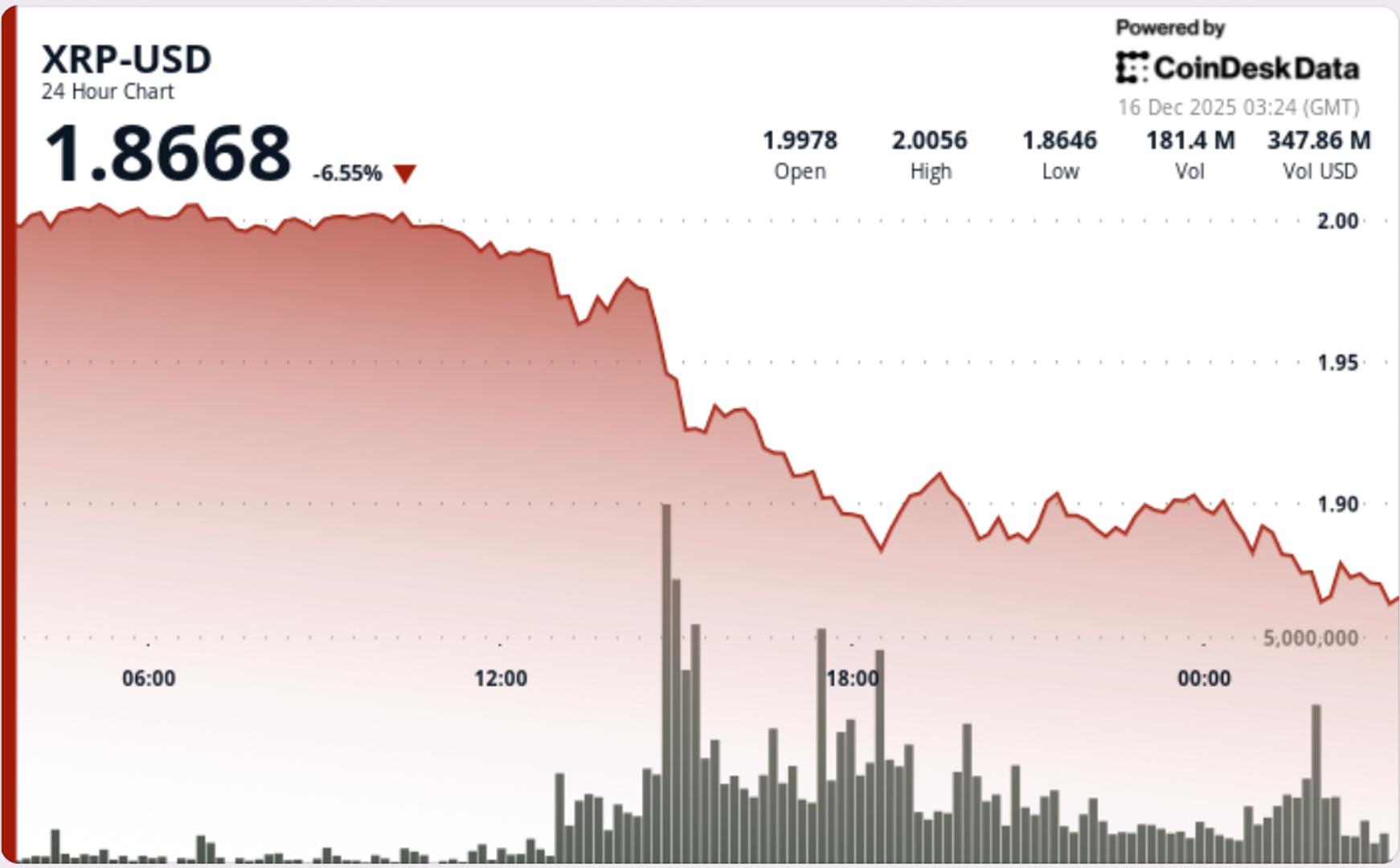
XRP price weakens at critical level, raising risk of deeper pullback

XRP price weakens at critical level, raising risk of deeper pullback

Markets Share Share this article
Copy linkX (Twitter)LinkedInFacebookEmail
XRP price weakens at critical level, raising
Paylaş
Coindesk2025/12/16 11:34
Warsaw Stock Exchange Launches Poland's First Bitcoin ETF

Warsaw Stock Exchange Launches Poland's First Bitcoin ETF

PANews reported on September 19th that according to Cryptobriefing, the Warsaw Stock Exchange has launched Poland's first Bitcoin ETF, marking a significant step forward in the adoption of cryptocurrencies in Eastern Europe. The ETF allows Polish investors to gain exposure to Bitcoin through standard brokerage accounts.
Paylaş
PANews2025/09/19 08:52
Slate Milk Raises $23 Million Series B Round To Bolster Protein Drink’s Rapid Growth

Slate Milk Raises $23 Million Series B Round To Bolster Protein Drink’s Rapid Growth

The post Slate Milk Raises $23 Million Series B Round To Bolster Protein Drink’s Rapid Growth appeared on BitcoinEthereumNews.com. Slate Classic Chocolate milk shake Slate A new slate of functional beverages is about to dominate the ready-to-drink shelf, ushering in a more modern era of easily incorporating more protein in our diets. Today, Slate Milk cofounders Manny Lubin and Josh Belinsky reveal the brand has raised a $23 million Series B funding round. Led by Foundership, a new fund by Yasso frozen greek yogurt cofounders Drew Harrington and Amanda Klane, the money will allow Slate to continue its momentum towards ubiquity as it hits 100,000 points of distribution across 20,000 stores nationwide by the end of 2025. Slate also reveals that it is rolling out several line extensions including a 20 gram protein Strawberry milk at Sprouts Farmers Market, a 30 gram protein Cookies & Cream milk at Target, and a 30 gram protein Salted Caramel flavor at Walmart and Albertsons banner stores. New “Ultra” 42 gram protein options in Chocolate, Vanilla and Salted Caramel will also be available in retailers across the country. “Stores where we may have just had our ready-to-drink lattes, now we’re adding our shakes, and vice versa. We’re adding new partners and executing deeper with our existing partners,” Lubin tells me. The impressive growth is due to Slate’s early entry into the high-protein product space slightly before it caught mainstream attention–ready to execute immediately once consumers craved it most. Slate’s macronutrient ratios are practically unbeatable, largely due to the utilization of ultra-filtered milk. It’s a protein drink that writes a new script about who protein drinks are for. “We’re not sons of dairy farmers. We had no milk history,” Lubin says “We’re just a couple of dudes from the burbs of Boston who like chocolate milk.” Slate cofounder Manny Lubin Slate Another Clean Slate Slate’s brand has evolved significantly in just the past six…
Paylaş
BitcoinEthereumNews2025/09/19 03:08