Cybersecurity concerns and misinformation risks top list of AI-related threats as industry adoption acceleratesCybersecurity concerns and misinformation risks top list of AI-related threats as industry adoption accelerates

The AI Anxiety Gripping Finance: Why Crypto Should Pay Attention

2025/12/11 19:15
The AI Anxiety Gripping Finance: Why Crypto Should Pay Attention

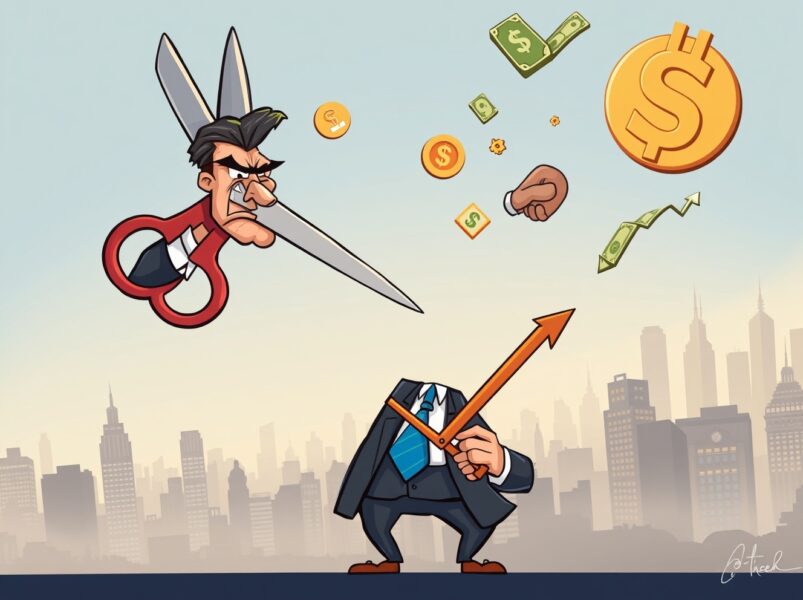
The financial services industry has a new worry keeping executives up at night, and it's not the usual suspects of market volatility or geopolitical turmoil. According to the latest annual Systemic Risk Barometer from the Depository Trust & Clearing Corporation (DTCC), artificial intelligence (AI) has emerged as a critical concern, and the crypto industry would be wise to take notice.

Released Wednesday, the survey of financial professionals globally reveals a sector grappling with the double-edged sword of AI adoption. While firms race to deploy machine learning models for everything from fraud detection to trading algorithms, the risks are becoming impossible to ignore.

When asked about AI-specific threats, 41% of respondents flagged cybersecurity and data protection vulnerabilities as their primary concern. Close behind, 38% pointed to AI-generated misinformation — the dreaded "hallucinations" that can produce false outputs with dangerous confidence. Another 37% cited insufficient governance and oversight, while 34% worried about overreliance on AI solutions.

Fintech itself now ranks as a top-five systemic risk for 33% of respondents, sitting just below excessive global debt and inflation. That's a remarkable shift for an industry sector that, until recently, was viewed primarily as an opportunity rather than a threat.

"A common theme across the survey responses was concern over uncertainty — whether economic, geopolitical, or tied to emerging technologies like AI," said Tim Cuddihy, DTCC's group chief risk officer. He warned that technologies like AI and quantum computing could create "fresh pathways for contagion and systemic events."

Why Crypto Can't Afford to Ignore This

For the crypto industry, these findings should resonate deeply. Digital asset firms have been among the most aggressive adopters of AI technology, deploying it for market making, risk management, compliance monitoring, and customer service. Exchanges use machine learning to detect wash trading and manipulation. DeFi protocols incorporate AI-powered oracles and automated market makers. Crypto trading firms rely on AI-driven strategies to navigate 24/7 markets.

But the same vulnerabilities plaguing traditional finance apply, often with higher stakes. A compromised AI system at a centralized exchange could enable market manipulation at unprecedented scale. Hallucinations in AI-powered smart contract auditing tools could miss critical vulnerabilities. And the concentration risk that concerns traditional finance is even more acute in crypto, where a handful of AI providers dominate infrastructure across multiple protocols.

The survey's findings on quantum computing preparedness are particularly relevant for blockchain networks. Only 29% of financial firms confirmed they're actively planning for quantum-related cybersecurity risks, while 25% acknowledge the threat but have no mitigation strategy. For an industry built on cryptographic security, this represents an existential blind spot.

Most major blockchain networks remain vulnerable to quantum attacks that could break current encryption standards. While some projects are exploring quantum-resistant cryptography, adoption remains limited. The financial sector's lack of preparedness suggests the broader economy isn't ready for the quantum transition — and neither is crypto.

The Broader Risk Landscape

The AI concerns exist within a complex risk environment. Geopolitical tensions and trade conflicts topped the overall risk rankings for the fourth straight year, with 78% of respondents naming them among their top five concerns. Cyber risk claimed second place at 63%, followed by potential U.S. economic slowdown at 41%.

For crypto markets, these traditional risks intersect with AI vulnerabilities in concerning ways. Geopolitical tensions could drive governments to weaponize AI for financial surveillance or capital controls, potentially targeting crypto networks. Cyber attacks enhanced by AI capabilities could simultaneously compromise multiple platforms. An economic slowdown could force firms to cut corners on AI governance and testing.

The concentration risk also extends beyond AI providers. Survey respondents expressed concern about heavy reliance on a few technology platforms and infrastructure providers — a warning that applies directly to crypto's dependence on AWS, Cloudflare, and other centralized services.

What Comes Next

DTCC has conducted this survey annually since 2013, providing a longitudinal view of how risk perceptions evolve. The emergence of AI as a top-tier concern marks a inflection point. As Cuddihy noted, "The most effective tool to navigate uncertainty is industry-wide communication and collaboration."

For crypto, that means moving beyond the "move fast and break things" mentality when it comes to AI deployment. It means stress-testing AI systems against adversarial attacks. It means developing industry standards for AI governance before regulators impose them. And it means preparing for quantum computing threats before they materialize.

The traditional finance sector is sounding the alarm on AI risks. The crypto industry, with its ethos of decentralization and security, should be leading the response, not playing catch-up.


Elsewhere

Andreessen Horowitz Opens First Asia Office in Seoul
Venture firm expands crypto operations to South Korea, hires former Monad and Polygon executive to lead regional strategy
Federal Reserve Cuts Rates 25 Basis Points, Signals Slower Pace of Easing Ahead
Central bank projects single rate cut in 2026 as policymakers assess inflation risks and labor market cooling
Xiaomi to Pre-Install Crypto Wallet on Smartphones in Sei Partnership
Blockchain platform targets mainstream adoption through device integration, plans stablecoin payments at retail stores by mid-2026
Stripe Acquires Valora Team as Payment Giant Advances Blockchain Strategy
Mobile wallet startup’s expertise to support Stripe’s stablecoin infrastructure as Tempo blockchain enters public testing

Podcast

Licensed to Shill – Why Central Asia; Why Now? ft. Anthony Howe (GFTN)

This week, the Licensed to Shill panel dives into the dynamic world of Central Asia – a region rapidly emerging as a pivotal hub for trade and innovation. Anthony Howe from the Global Finance Technology Network (GFTN) joins the panel to explore the untapped potential of this region, particularly focusing on Georgia's strategic role in the middle corridor.

Tune in at blockcast.blockhead.co or on Spotify, Apple, Amazon Music, or any major podcast platform.


The AI Anxiety Gripping Finance: Why Crypto Should Pay Attention

Blockhead is a media partner for Consensus Hong Kong 2026. Readers can save 20% on tickets using exclusive code BLOCKDESK at this link.

➢ Stay ahead of the curve. Join Blockhead on Telegram today for all the latest in crypto.
+ Follow Blockhead on Google News
Piyasa Fırsatı
Sleepless AI Logosu
Sleepless AI Fiyatı(AI)
$0.03717
$0.03717$0.03717
-2.89%
USD
Sleepless AI (AI) Canlı Fiyat Grafiği
Sorumluluk Reddi: Bu sitede yeniden yayınlanan makaleler, halka açık platformlardan alınmıştır ve yalnızca bilgilendirme amaçlıdır. MEXC'nin görüşlerini yansıtmayabilir. Tüm hakları telif sahiplerine aittir. Herhangi bir içeriğin üçüncü taraf haklarını ihlal ettiğini düşünüyorsanız, kaldırılması için lütfen service@support.mexc.com ile iletişime geçin. MEXC, içeriğin doğruluğu, eksiksizliği veya güncelliği konusunda hiçbir garanti vermez ve sağlanan bilgilere dayalı olarak alınan herhangi bir eylemden sorumlu değildir. İçerik, finansal, yasal veya diğer profesyonel tavsiye niteliğinde değildir ve MEXC tarafından bir tavsiye veya onay olarak değerlendirilmemelidir.

Ayrıca Şunları da Beğenebilirsiniz

Crucial Insights: Two Fed Interest Rate Cuts on the Horizon?
Crucial Insights: Two Fed Interest Rate Cuts on the Horizon?

BitcoinWorld Crucial Insights: Two Fed Interest Rate Cuts on the Horizon? The financial world is buzzing with discussions around the future of monetary policy, and a recent statement from a key Federal Reserve official has added fuel to the fire. Investors, businesses, and consumers alike are keenly watching for signals regarding potential Fed interest rate cuts and their broader economic implications. What’s Driving Talk of Fed Interest Rate Cuts? Neel Kashkari, the president of the Minneapolis Federal Reserve Bank, recently made headlines by stating his belief that two additional Fed interest rate cuts would be appropriate this year. This isn’t the first time Kashkari has shared this perspective; he expressed a similar view back in August. His comments offer a glimpse into the ongoing internal debates and varying outlooks among policymakers regarding the optimal path for the nation’s economy. Understanding the context behind such statements is crucial. The Federal Reserve uses interest rates as a primary tool to manage inflation and support employment. When inflation is high, the Fed typically raises rates to cool down economic activity. Conversely, when economic growth slows or inflation targets are met, the Fed might consider cutting rates to stimulate spending and investment. How Do Fed Interest Rate Cuts Impact You? The prospect of Fed interest rate cuts carries significant weight for everyone. For instance, lower interest rates generally translate to: Cheaper Borrowing: Mortgages, car loans, and credit card interest rates can decrease, making it more affordable for consumers to borrow money. This can encourage home buying and larger purchases. Business Investment: Companies find it less expensive to borrow for expansion, new projects, and hiring, potentially boosting economic growth and job creation. Stock Market Performance: Lower rates can make bonds less attractive, pushing investors towards stocks, which might see increased valuations. This can also signal a more optimistic economic outlook. Savings Account Returns: On the flip side, interest rates on savings accounts and Certificates of Deposit (CDs) might also fall, offering lower returns for savers. These ripple effects touch various sectors, from housing to retail, and even extend into the cryptocurrency markets, where investor sentiment is often influenced by broader economic conditions and liquidity. Navigating the Economic Landscape: Why Are Policymakers Divided on Fed Interest Rate Cuts? While some policymakers, like Kashkari, see the appropriateness of multiple Fed interest rate cuts, others may hold different views. The Federal Reserve’s decisions are complex, balancing the need to control inflation with the goal of maintaining maximum employment. Key factors influencing these decisions include: Inflation Data: The pace at which inflation is returning to the Fed’s 2% target is a primary concern. Sustained progress is needed. Employment Figures: A strong job market might give the Fed more leeway to keep rates higher for longer, whereas signs of weakness could prompt cuts. Global Economic Conditions: International economic trends and geopolitical events can also influence the Fed’s domestic policy decisions. Market Expectations: The Fed also considers how financial markets are pricing in future rate movements, aiming to avoid undue volatility. The path forward is rarely straightforward, and the Fed’s approach is often described as data-dependent, meaning decisions can shift as new economic information becomes available. The Outlook for Future Fed Interest Rate Cuts Kashkari’s consistent view on two Fed interest rate cuts this year provides an important perspective, but it’s essential to remember that he is one voice among many on the Federal Open Market Committee (FOMC). The committee as a whole determines monetary policy through a consensus-driven process. As the year progresses, market participants will be closely monitoring upcoming inflation reports, employment data, and official Fed statements for further clarity. The timing and magnitude of any potential rate adjustments will significantly shape the economic environment, influencing everything from investment strategies to everyday household budgets. In summary: Neel Kashkari’s consistent advocacy for two Fed interest rate cuts this year highlights a potential shift in monetary policy. These cuts, if they materialize, could offer relief to borrowers, stimulate economic activity, and impact various markets. However, the ultimate decision rests with the broader Federal Reserve committee, which weighs a multitude of economic indicators before acting. Frequently Asked Questions (FAQs) Q1: What does it mean when the Fed cuts interest rates? When the Federal Reserve cuts interest rates, it generally means they are reducing the cost for banks to borrow money. This, in turn, often leads to lower interest rates for consumers and businesses on loans like mortgages, car loans, and credit cards, aiming to stimulate economic activity. Q2: Why would the Fed consider two Fed interest rate cuts this year? The Fed might consider two interest rate cuts if they believe inflation is consistently moving towards their 2% target, or if there are signs of slowing economic growth that could benefit from stimulation. Policymakers like Kashkari may feel the current rates are too restrictive given the economic outlook. Q3: How quickly do Fed interest rate cuts affect the economy? The effects of Fed interest rate cuts can be seen relatively quickly in financial markets, but they typically take several months to fully filter through to the broader economy, impacting consumer spending, business investment, and inflation. Q4: Will Fed interest rate cuts impact my cryptocurrency investments? While not a direct impact, Fed interest rate cuts can indirectly affect cryptocurrency markets. Lower traditional interest rates might make riskier assets like cryptocurrencies more attractive to investors seeking higher returns. Additionally, a more liquid and stimulated economy can sometimes boost overall market sentiment, benefiting crypto assets. Q5: Who is Neel Kashkari? Neel Kashkari is the president of the Federal Reserve Bank of Minneapolis. He is one of the twelve regional Federal Reserve Bank presidents who contribute to the Federal Open Market Committee (FOMC) discussions, which set the nation’s monetary policy. Did you find this article insightful? Share your thoughts and help others understand the potential impact of future Fed decisions! You can share this article on your favorite social media platforms. To learn more about the latest crypto market trends, explore our article on key developments shaping Bitcoin price action. This post Crucial Insights: Two Fed Interest Rate Cuts on the Horizon? first appeared on BitcoinWorld.
Paylaş
Coinstats2025/09/19 19:35
US Senators Introduce SAFE Crypto Act to Target Rising Crypto Scams

US Senators Introduce SAFE Crypto Act to Target Rising Crypto Scams

The post US Senators Introduce SAFE Crypto Act to Target Rising Crypto Scams appeared first on Coinpedia Fintech News Crypto scams are getting faster, smarter and
Paylaş
CoinPedia2025/12/17 18:33
Crypto.com Data Leak Revealed: Hidden Attack Exposed by Bloomberg

Crypto.com Data Leak Revealed: Hidden Attack Exposed by Bloomberg

Bloomberg exposes Crypto.com’s 2023 user data leak. The perpetrators used phishing to access employee accounts, compromising privacy. A data breach that occurred in 2023 at Crypto.com compromised the personal information of its users, according to a disclosure by Bloomberg.  The hacking was planned by a well-known hacker organization known as Scattered Spider.  This team was […] The post Crypto.com Data Leak Revealed: Hidden Attack Exposed by Bloomberg appeared first on Live Bitcoin News.
Paylaş
LiveBitcoinNews2025/09/23 03:00