How Filipinos across generations are redefining what “money” means to them From Gen Z’s side hustles to Boomers’ legacy plans, money means different things to everyHow Filipinos across generations are redefining what “money” means to them From Gen Z’s side hustles to Boomers’ legacy plans, money means different things to every

Generational Money Mindsets: Spending, Saving, and Investing

2025/12/15 10:30

How Filipinos across generations are redefining what “money” means to them

From Gen Z’s side hustles to Boomers’ legacy plans, money means different things to every generation. For some, it’s freedom, while for others, it’s security, comfort, or survival. And over the last decade, with the pandemic period having a major impact, the Filipino relationship with money has transformed in different ways.

Since 2015, Acumen has tracked how Filipino generations think, spend, save, and invest. What we’re now seeing in 2025 through Project Alphabet is not just a change in financial behavior, it’s a complete shift in meaning. Filipinos today think about money with far more intentionality, discipline, and long-term focus than ever before.

  1. From Survival to Intentionality: The Pandemic Effect

If finances in 2015 was a source of aspiration and stress for Filipinos, finances in 2025 has come to be defined by something new: Intentionality toward financial stability. Before the pandemic, many Filipinos, especially the younger generations, viewed money through a day-to-day lens. Budgets were flexible, purchases were spontaneous, and “future planning” felt like something only older generations worried about.

But the pandemic created a collective awakening. It reminded every Filipino, regardless of age, that life can change overnight. Uncertainty became real. Stability can disappear overnight, emergencies can happen anytime, and financial preparedness is not optional.  Financial security now represents independence and peace of mind.

  1. Money Has Shifted in Meaning Across Generations

For Gen Z and Millennials, money represents freedom with responsibility and independence. Gen Zs seek independence, spending on experiences and things that they deem meaningful for them and worth their hard-earned money. Millennials desire the ability to spend without guilt, balancing indulgence with discipline while keeping family obligations in mind. Both generations want as much money as possible not for status, but for the ability to live comfortably without anxiety, guilt, or reliance on others.

For Gen X and Boomers, money continues to symbolize provision and duty. They take pride in giving their families a comfortable life, settling obligations first, and finding fulfillment in providing. For them, financial security is not just a personal goal, it is a legacy to sustain their loved ones.

This cross-generational shift is the backdrop of everything else. It reshapes how each generation spends, saves, spends, invests, and aspires.

  1. Savings at the Forefront

Saving has now become a great equalizer across generations — a behavior once associated only with older generations. Today, every generation treats savings as a non-negotiable, with Gen Zs building emergency funds earlier, older generations reinforcing their buffers, and families openly discussing financial planning in ways that used to be somewhat taboo.

Saving is no longer just a mathematical exercise, it is emotional. Though motivations differ, the mindset is shared: Savings give security, and in today’s world, that security is what gives Filipinos confidence, calm, and control over their future.

Across all age groups, saving has become more intentional and disciplined.

  • Gen Zs save to gain independence, using digital banks, e-wallet pockets, and micro-investing apps to build small but consistent buffers.
  • Gen Ys save to achieve financial freedom without guilt, the ability to enjoy life without compromising responsibilities.
  • Gen Xers save to secure a comfortable life for their family, prioritizing education funds, insurance, and future-proofing the household.
  • Boomers save to continue supporting not just themselves but also their children and even their grandchildren. They are focusing on health, legacy, and stability.
  1. Spending Mindset: Practical, Intentional, Family-First

Across all generations, a clear shift is visible: practicality is the new priority, and Filipinos now spend only on what truly matters. Each generation has quietly redefined value — favoring intentionality, quality, and family-first consumption. In this new era, every peso must serve a purpose, reflect responsibility, and support the people who matter most.

Gen Zs, raised in a world of constant trends and temptations, are learning to minimize impulsive  purchases made on a whim. They’ll still spend for the things that spark joy, but only if the purchase feels sulit and genuinely “mapapa-happy talaga ako.” For them, value is emotional and practical at the same time: enjoy life, but never irresponsibly.

Gen Ys echo this mindset but from a more mature, life-stage perspective—rewarding themselves occasionally, but only after family needs are secured. They’ve embraced delayed gratification, choosing to spend for themselves only when the essentials and obligations of the household are covered.

Meanwhile, Gen X and Boomers remain anchored in a family-first spending mindset — prioritizing needs over wants, choosing durability over trendiness, and finding joy in providing for children and especially grandchildren. When extra funds allow, they reward themselves as a well-earned payoff after years of hard work, but practicality continues to guide their everyday decisions.

  1. Investing Mindset: Growing Wealth While Safeguarding What Matters

Across generations, Filipinos now see investing as a pathway to freedom, protection, and long-term possibility — a shift driven by both experience and aspiration.

  • Gen Z and Gen Ys prefer passive, low-effort investment routes such as real estate, condos for rent, or gold, largely because their focus is still on building careers or businesses. But once they understand something deeply, they become surprisingly aggressive (e.g. automating crypto or forex trading, or venturing into new business categories after researching financial returns.) As one Gen Y said, “Wala namang nagturo sa akin mag-invest — nag-search lang ako online. Trial and error talaga.”
  • Gen X and Boomers, meanwhile, gravitate toward stable, appreciating assets they can pass on to their families (e.g. house and lot, farms, MP2, gold jewelry, or rental properties) always guided by the belief that wealth built slowly and safely protects the next generation. For them, investing is never impulsive; it is deliberate, sustainable, and rooted in stewardship.

Within this broader investment mindset, insurance has emerged as one of the most valued and universal forms of protection. What used to be seen as a product you “only benefit from when you’re gone” is now understood as a smart financial shield — something that secures health, safeguards income, and ensures family stability no matter what happens.

  • A Gen Z captures it simply: “Insurance is peace of mind.”
  • Gen Ys now appreciate its living benefits — “Ngayon, may value na habang buhay ka.”
  • Gen X and Boomers consider insurance as something that is intertwined with responsibility and legacy: “Meron akong life insurance. Para sa pamilya ko ‘pag wala na ako,” “Importante talaga insurance… may maiiwan ka sa pamilya.”

Across all generations, insurance has become both an investment and a safety net — offering stability, emotional assurance, and the confidence that families will be protected in the present and in the future.

What this multi-generational story shows us is simple but powerful: Filipinos are no longer managing money just for survival, they’re managing it with intention. At the end of the day, money has become more than currency, it’s a reflection of the Filipino’s hopes, fears, values, and dreams.

And as these generational money mindsets continue to evolve, business leaders who stay fluent, empathetic, and forward-looking will be the ones who build brands and organizations that truly connect, serve, and endure. — Kristine Joyce Erni Santos, Program Director and Strategist for Commercial Strategy, Acumen (www.acumen.com.ph)


Spotlight is BusinessWorld’s sponsored section that allows advertisers to amplify their brand and connect with BusinessWorld’s audience by publishing their stories on the BusinessWorld Web site. For more information, send an email to online@bworldonline.com.

Join us on Viber at https://bit.ly/3hv6bLA to get more updates and subscribe to BusinessWorld’s titles and get exclusive content through www.bworld-x.com.

Piyasa Fırsatı
FREEdom Coin Logosu
FREEdom Coin Fiyatı(FREEDOM)
$0.00000002312
$0.00000002312$0.00000002312
+2.21%
USD
FREEdom Coin (FREEDOM) Canlı Fiyat Grafiği
Sorumluluk Reddi: Bu sitede yeniden yayınlanan makaleler, halka açık platformlardan alınmıştır ve yalnızca bilgilendirme amaçlıdır. MEXC'nin görüşlerini yansıtmayabilir. Tüm hakları telif sahiplerine aittir. Herhangi bir içeriğin üçüncü taraf haklarını ihlal ettiğini düşünüyorsanız, kaldırılması için lütfen service@support.mexc.com ile iletişime geçin. MEXC, içeriğin doğruluğu, eksiksizliği veya güncelliği konusunda hiçbir garanti vermez ve sağlanan bilgilere dayalı olarak alınan herhangi bir eylemden sorumlu değildir. İçerik, finansal, yasal veya diğer profesyonel tavsiye niteliğinde değildir ve MEXC tarafından bir tavsiye veya onay olarak değerlendirilmemelidir.

Ayrıca Şunları da Beğenebilirsiniz

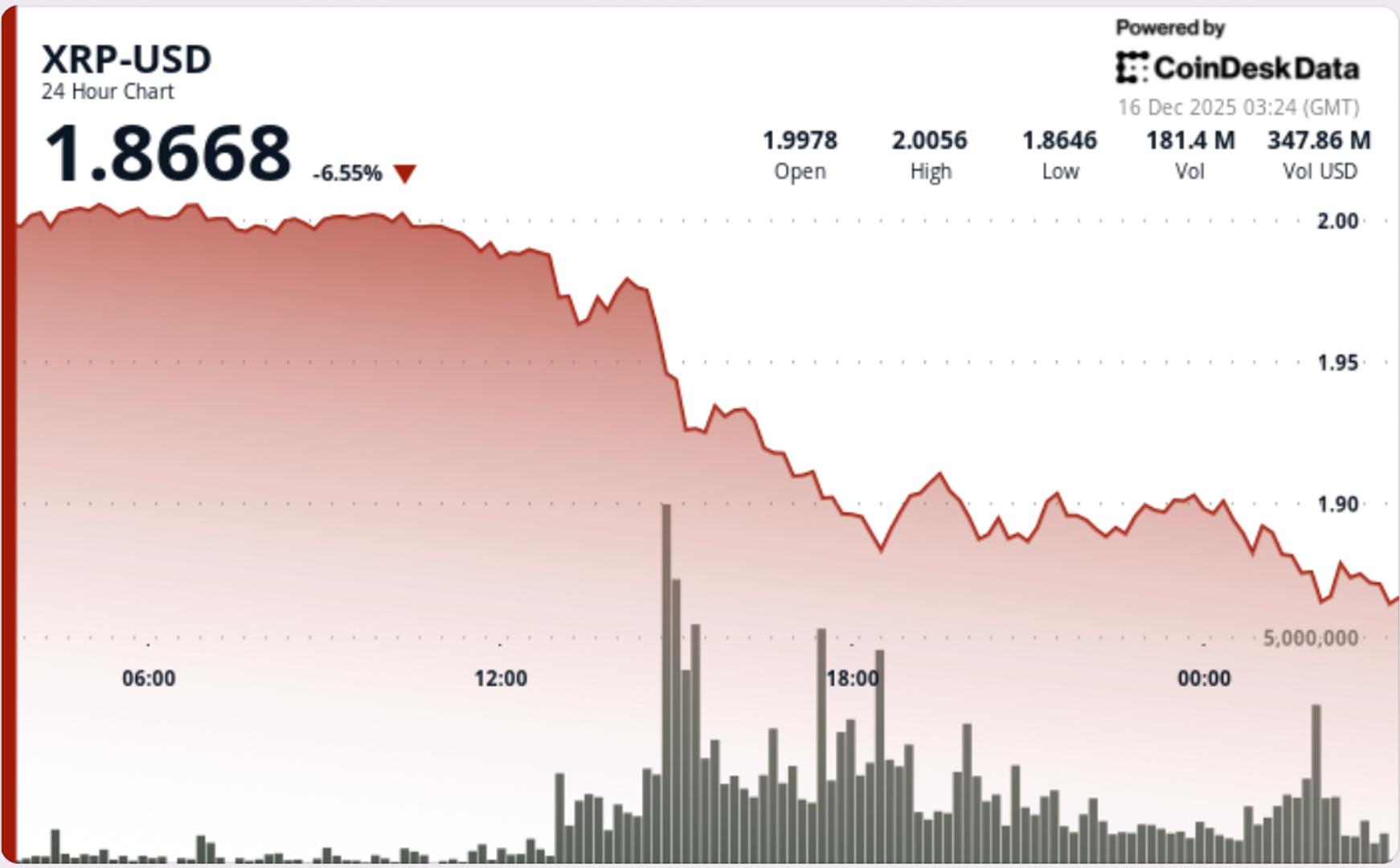
XRP price weakens at critical level, raising risk of deeper pullback

XRP price weakens at critical level, raising risk of deeper pullback

Markets Share Share this article
Copy linkX (Twitter)LinkedInFacebookEmail
XRP price weakens at critical level, raising
Paylaş
Coindesk2025/12/16 11:34
Wormhole Unveils W Token 2.0 with Enhanced Tokenomics
Wormhole Unveils W Token 2.0 with Enhanced Tokenomics

The post Wormhole Unveils W Token 2.0 with Enhanced Tokenomics appeared on BitcoinEthereumNews.com. Joerg Hiller Sep 17, 2025 13:57 Wormhole introduces W Token 2.0, featuring upgraded tokenomics, a strategic Wormhole Reserve, and a 4% base yield, aiming to optimize ecosystem growth and align incentives. Wormhole has announced a significant upgrade to its native token, unveiling the W Token 2.0. This upgrade introduces new tokenomics including the establishment of a Wormhole Reserve, a 4% base yield, and an optimized unlock schedule, marking a pivotal development in the ecosystem, according to Wormhole. The W Token Evolution Launched in October 2020, Wormhole’s W token has been central to the platform’s mission of creating a connected internet economy. The latest upgrade aims to enhance the token’s utility across more than 40 blockchains. With a capped supply of 10 billion, the W token supports governance, staking, and ecosystem growth, aligning incentives for network security and development. Introducing the Wormhole Reserve The Wormhole Reserve will accumulate value from both onchain and offchain activities, supporting the ecosystem’s expansion. As Wormhole adoption grows, the token will capture value through network expansions and ecosystem applications, ensuring that growth is directly reflected in the token’s value. 4% Base Yield and Governance Rewards Wormhole 2.0 introduces a 4% base yield for W holders who actively participate in governance. The yield, derived from existing token supplies and protocol revenues, is designed to incentivize active participation without inflating the token supply. Optimized Unlock Schedule Updating its token release schedule, Wormhole replaces annual cliffs with bi-weekly unlocks, starting October 3, 2025. This change aims to reduce market pressure and provide a more stable environment for investors and contributors. The bi-weekly schedule will span over 4.5 years, affecting categories such as Guardian Nodes and Community & Launch. Wormhole’s Future Vision With these upgrades, Wormhole aims to expand its role as…
Paylaş
BitcoinEthereumNews2025/09/18 15:48
Crucial US Stock Market Update: What Wednesday’s Mixed Close Reveals

Crucial US Stock Market Update: What Wednesday’s Mixed Close Reveals

BitcoinWorld Crucial US Stock Market Update: What Wednesday’s Mixed Close Reveals The financial world often keeps us on our toes, and Wednesday was no exception. Investors watched closely as the US stock market concluded the day with a mixed performance across its major indexes. This snapshot offers a crucial glimpse into current investor sentiment and economic undercurrents, prompting many to ask: what exactly happened? Understanding the Latest US Stock Market Movements On Wednesday, the closing bell brought a varied picture for the US stock market. While some indexes celebrated gains, others registered slight declines, creating a truly mixed bag for investors. The Dow Jones Industrial Average showed resilience, climbing by a notable 0.57%. This positive movement suggests strength in some of the larger, more established companies. Conversely, the S&P 500, a broader benchmark often seen as a barometer for the overall market, experienced a modest dip of 0.1%. The technology-heavy Nasdaq Composite also saw a slight retreat, sliding by 0.33%. This particular index often reflects investor sentiment towards growth stocks and the tech sector. These divergent outcomes highlight the complex dynamics currently at play within the American economy. It’s not simply a matter of “up” or “down” for the entire US stock market; rather, it’s a nuanced landscape where different sectors and company types are responding to unique pressures and opportunities. Why Did the US Stock Market See Mixed Results? When the US stock market delivers a mixed performance, it often points to a tug-of-war between various economic factors. Several elements could have contributed to Wednesday’s varied closings. For instance, positive corporate earnings reports from certain industries might have bolstered the Dow. At the same time, concerns over inflation, interest rate policies by the Federal Reserve, or even global economic uncertainties could have pressured growth stocks, affecting the S&P 500 and Nasdaq. Key considerations often include: Economic Data: Recent reports on employment, manufacturing, or consumer spending can sway market sentiment. Corporate Announcements: Strong or weak earnings forecasts from influential companies can significantly impact their respective sectors. Interest Rate Expectations: The prospect of higher or lower interest rates directly influences borrowing costs for businesses and consumer spending, affecting future profitability. Geopolitical Events: Global tensions or trade policies can introduce uncertainty, causing investors to become more cautious. Understanding these underlying drivers is crucial for anyone trying to make sense of daily market fluctuations in the US stock market. Navigating Volatility in the US Stock Market A mixed close, while not a dramatic downturn, serves as a reminder that market volatility is a constant companion for investors. For those involved in the US stock market, particularly individuals managing their portfolios, these days underscore the importance of a well-thought-out strategy. It’s important not to react impulsively to daily movements. Instead, consider these actionable insights: Diversification: Spreading investments across different sectors and asset classes can help mitigate risk when one area underperforms. Long-Term Perspective: Focusing on long-term financial goals rather than short-term gains can help weather daily market swings. Stay Informed: Keeping abreast of economic news and company fundamentals provides context for market behavior. Consult Experts: Financial advisors can offer personalized guidance based on individual risk tolerance and objectives. Even small movements in major indexes can signal shifts that require attention, guiding future investment decisions within the dynamic US stock market. What’s Next for the US Stock Market? Looking ahead, investors will be keenly watching for further economic indicators and corporate announcements to gauge the direction of the US stock market. Upcoming inflation data, statements from the Federal Reserve, and quarterly earnings reports will likely provide more clarity. The interplay of these factors will continue to shape investor confidence and, consequently, the performance of the Dow, S&P 500, and Nasdaq. Remaining informed and adaptive will be key to understanding the market’s trajectory. Conclusion: Wednesday’s mixed close in the US stock market highlights the intricate balance of forces influencing financial markets. While the Dow showed strength, the S&P 500 and Nasdaq experienced slight declines, reflecting a nuanced economic landscape. This reminds us that understanding the ‘why’ behind these movements is as important as the movements themselves. As always, a thoughtful, informed approach remains the best strategy for navigating the complexities of the market. Frequently Asked Questions (FAQs) Q1: What does a “mixed close” mean for the US stock market? A1: A mixed close indicates that while some major stock indexes advanced, others declined. It suggests that different sectors or types of companies within the US stock market are experiencing varying influences, rather than a uniform market movement. Q2: Which major indexes were affected on Wednesday? A2: On Wednesday, the Dow Jones Industrial Average gained 0.57%, while the S&P 500 edged down 0.1%, and the Nasdaq Composite slid 0.33%, illustrating the mixed performance across the US stock market. Q3: What factors contribute to a mixed stock market performance? A3: Mixed performances in the US stock market can be influenced by various factors, including specific corporate earnings, economic data releases, shifts in interest rate expectations, and broader geopolitical events that affect different market segments uniquely. Q4: How should investors react to mixed market signals? A4: Investors are generally advised to maintain a long-term perspective, diversify their portfolios, stay informed about economic news, and avoid impulsive decisions. Consulting a financial advisor can also provide personalized guidance for navigating the US stock market. Q5: What indicators should investors watch for future US stock market trends? A5: Key indicators to watch include upcoming inflation reports, statements from the Federal Reserve regarding monetary policy, and quarterly corporate earnings reports. These will offer insights into the future direction of the US stock market. Did you find this analysis of the US stock market helpful? Share this article with your network on social media to help others understand the nuances of current financial trends! To learn more about the latest stock market trends, explore our article on key developments shaping the US stock market‘s future performance. This post Crucial US Stock Market Update: What Wednesday’s Mixed Close Reveals first appeared on BitcoinWorld.
Paylaş
Coinstats2025/09/18 05:30