BitcoinWorld Bitcoin’s Hidden Opportunity: Why Current Weakness Could Fuel a 2026 Surge Is Bitcoin’s recent underperformance a cause for concern or a hidden opportunityBitcoinWorld Bitcoin’s Hidden Opportunity: Why Current Weakness Could Fuel a 2026 Surge Is Bitcoin’s recent underperformance a cause for concern or a hidden opportunity

Bitcoin’s Hidden Opportunity: Why Current Weakness Could Fuel a 2026 Surge
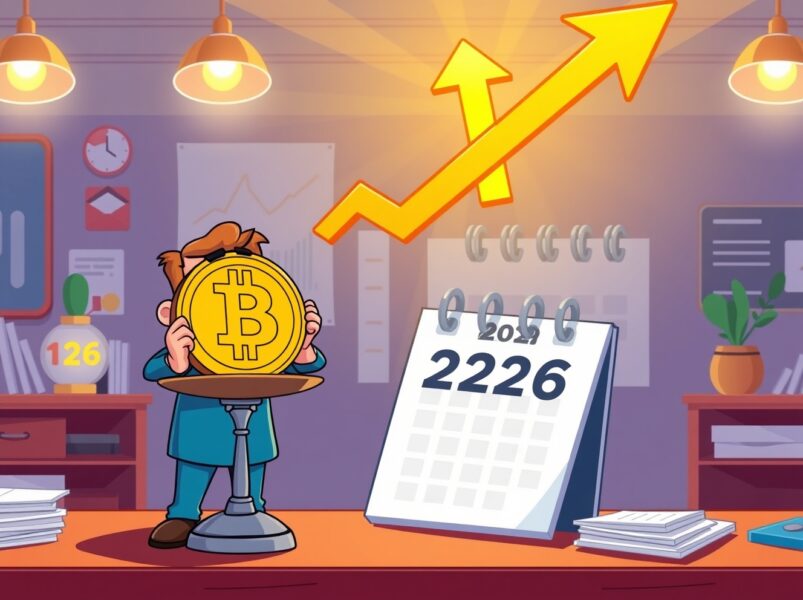
A cartoon investor sees a Bitcoin opportunity for 2026 growth despite current market scales.

BitcoinWorld

Bitcoin’s Hidden Opportunity: Why Current Weakness Could Fuel a 2026 Surge

Is Bitcoin’s recent underperformance a cause for concern or a hidden opportunity? While the flagship cryptocurrency has lagged behind traditional stocks, this year-end weakness might be setting the stage for a significant move. According to K33 Research analyst Vetle Lunde, the current dynamics could create a compelling Bitcoin opportunity for patient investors looking toward 2026.

Why Is Bitcoin Underperforming Now?

Bitcoin has recently trailed the stock market, and the reason is more mechanical than fundamental. Vetle Lunde points to year-end portfolio rebalancing by large asset managers as a key factor. These institutions have pre-set allocation targets. As the year closes, they often adjust their holdings, which can temporarily pressure assets like Bitcoin.

This activity is a routine part of institutional money management, not a reflection of Bitcoin’s long-term value. However, it creates a short-term headwind that explains the current price action. The silver lining? This rebalancing period may be creating a more attractive entry point.

How Does This Create a Bitcoin Opportunity for 2026?

The connection between today’s weakness and future strength lies in institutional behavior. After rebalancing, these same asset managers plan their allocations for the coming period. Lunde suggests this process could lead to fresh capital flowing into Bitcoin as they establish new positions.

Think of it this way:

  • Current Selling: Some managers sell Bitcoin to meet year-end portfolio targets.
  • Price Pressure: This selling contributes to short-term price weakness or stability.
  • Future Buying: In the new period, managers can re-allocate funds, potentially increasing their Bitcoin weightings.

This cycle, while causing near-term hesitation among traders, may lay the groundwork for a stronger 2026. The Bitcoin opportunity emerges from buying during this period of institutional-induced calm.

What’s Holding the Market Back Right Now?

Lunde notes an important nuance: despite Bitcoin’s price finding some stability, market participants remain hesitant. This risk-aversion is common during periods of perceived uncertainty or after a rebalancing event. Traders and investors often wait for clearer signals before committing capital.

This collective caution can suppress volatility and delay a rally, even when the fundamental setup improves. However, for strategic investors, this environment of hesitation is precisely where opportunities are born. It allows for accumulation without the frenzy of a bull market.

Actionable Insights for Crypto Investors

Understanding this dynamic provides a framework for decision-making. Instead of viewing short-term underperformance as purely negative, consider the structural reasons behind it.

  • Look Beyond Daily Noise: Focus on the institutional allocation cycle, not just daily price swings.
  • Assess Your Timeline: This potential Bitcoin opportunity is framed for 2026, requiring a patient, long-term perspective.
  • Monitor Institutional Flows: Watch for data on ETF inflows or institutional reports signaling renewed interest.

The key is to align your strategy with the identified catalyst—the post-rebalancing institutional repositioning that could unfold over the next year.

A Compelling Case for Strategic Patience

In conclusion, Bitcoin’s current market behavior is a complex interplay of institutional mechanics and investor psychology. The year-end rebalancing that suppresses prices today could be the very engine for growth tomorrow. By creating a potential supply overhang now, it may pave the way for sustained demand as institutions rebuild their positions heading into 2026.

This analysis reframes weakness not as a threat, but as a necessary phase in a larger cycle. For those with a multi-year outlook, the present moment may represent a strategic window—a genuine Bitcoin opportunity disguised as market indecision. The path to 2026 starts with understanding the quiet moves being made today.

Frequently Asked Questions (FAQs)

What is portfolio rebalancing?

Portfolio rebalancing is when large investment funds adjust their holdings to maintain pre-set asset allocation targets (e.g., 60% stocks, 5% Bitcoin). This often happens at year-end and can lead to selling assets that have outperformed.

Why is 2026 highlighted as a potential opportunity?

Analyst Vetle Lunde suggests the capital freed up or reallocated after 2024’s year-end rebalancing could be deployed into Bitcoin over the following year, building a foundation for stronger performance by 2026.

Is Bitcoin a good investment during periods of weakness?

Historically, buying during periods of fear or consolidation has often rewarded long-term investors. However, it requires patience and a strong conviction in the asset’s fundamentals.

How can retail investors take advantage of this?

Retail investors can consider dollar-cost averaging (investing a fixed amount regularly) during this phase to build a position without trying to time the exact market bottom.

What are the risks of this outlook?

The primary risk is that the anticipated institutional inflows do not materialize as expected, or that broader macroeconomic factors negatively impact all risk assets, including Bitcoin.

Where can I follow institutional Bitcoin investment data?

Data from Bitcoin ETF flows, reports from firms like CoinShares, and on-chain analysis platforms can provide insights into institutional activity.

Found this analysis insightful? Share this perspective on the potential Bitcoin opportunity with fellow investors on your social media channels. Discussing these market mechanics helps everyone make more informed decisions.

To learn more about the latest Bitcoin trends, explore our article on key developments shaping Bitcoin institutional adoption and long-term price action.

This post Bitcoin’s Hidden Opportunity: Why Current Weakness Could Fuel a 2026 Surge first appeared on BitcoinWorld.

Piyasa Fırsatı
WHY Logosu
WHY Fiyatı(WHY)
$0.00000001529
$0.00000001529$0.00000001529
0.00%
USD
WHY (WHY) Canlı Fiyat Grafiği
Sorumluluk Reddi: Bu sitede yeniden yayınlanan makaleler, halka açık platformlardan alınmıştır ve yalnızca bilgilendirme amaçlıdır. MEXC'nin görüşlerini yansıtmayabilir. Tüm hakları telif sahiplerine aittir. Herhangi bir içeriğin üçüncü taraf haklarını ihlal ettiğini düşünüyorsanız, kaldırılması için lütfen service@support.mexc.com ile iletişime geçin. MEXC, içeriğin doğruluğu, eksiksizliği veya güncelliği konusunda hiçbir garanti vermez ve sağlanan bilgilere dayalı olarak alınan herhangi bir eylemden sorumlu değildir. İçerik, finansal, yasal veya diğer profesyonel tavsiye niteliğinde değildir ve MEXC tarafından bir tavsiye veya onay olarak değerlendirilmemelidir.

Ayrıca Şunları da Beğenebilirsiniz

Crucial Insights: Two Fed Interest Rate Cuts on the Horizon?
Crucial Insights: Two Fed Interest Rate Cuts on the Horizon?

BitcoinWorld Crucial Insights: Two Fed Interest Rate Cuts on the Horizon? The financial world is buzzing with discussions around the future of monetary policy, and a recent statement from a key Federal Reserve official has added fuel to the fire. Investors, businesses, and consumers alike are keenly watching for signals regarding potential Fed interest rate cuts and their broader economic implications. What’s Driving Talk of Fed Interest Rate Cuts? Neel Kashkari, the president of the Minneapolis Federal Reserve Bank, recently made headlines by stating his belief that two additional Fed interest rate cuts would be appropriate this year. This isn’t the first time Kashkari has shared this perspective; he expressed a similar view back in August. His comments offer a glimpse into the ongoing internal debates and varying outlooks among policymakers regarding the optimal path for the nation’s economy. Understanding the context behind such statements is crucial. The Federal Reserve uses interest rates as a primary tool to manage inflation and support employment. When inflation is high, the Fed typically raises rates to cool down economic activity. Conversely, when economic growth slows or inflation targets are met, the Fed might consider cutting rates to stimulate spending and investment. How Do Fed Interest Rate Cuts Impact You? The prospect of Fed interest rate cuts carries significant weight for everyone. For instance, lower interest rates generally translate to: Cheaper Borrowing: Mortgages, car loans, and credit card interest rates can decrease, making it more affordable for consumers to borrow money. This can encourage home buying and larger purchases. Business Investment: Companies find it less expensive to borrow for expansion, new projects, and hiring, potentially boosting economic growth and job creation. Stock Market Performance: Lower rates can make bonds less attractive, pushing investors towards stocks, which might see increased valuations. This can also signal a more optimistic economic outlook. Savings Account Returns: On the flip side, interest rates on savings accounts and Certificates of Deposit (CDs) might also fall, offering lower returns for savers. These ripple effects touch various sectors, from housing to retail, and even extend into the cryptocurrency markets, where investor sentiment is often influenced by broader economic conditions and liquidity. Navigating the Economic Landscape: Why Are Policymakers Divided on Fed Interest Rate Cuts? While some policymakers, like Kashkari, see the appropriateness of multiple Fed interest rate cuts, others may hold different views. The Federal Reserve’s decisions are complex, balancing the need to control inflation with the goal of maintaining maximum employment. Key factors influencing these decisions include: Inflation Data: The pace at which inflation is returning to the Fed’s 2% target is a primary concern. Sustained progress is needed. Employment Figures: A strong job market might give the Fed more leeway to keep rates higher for longer, whereas signs of weakness could prompt cuts. Global Economic Conditions: International economic trends and geopolitical events can also influence the Fed’s domestic policy decisions. Market Expectations: The Fed also considers how financial markets are pricing in future rate movements, aiming to avoid undue volatility. The path forward is rarely straightforward, and the Fed’s approach is often described as data-dependent, meaning decisions can shift as new economic information becomes available. The Outlook for Future Fed Interest Rate Cuts Kashkari’s consistent view on two Fed interest rate cuts this year provides an important perspective, but it’s essential to remember that he is one voice among many on the Federal Open Market Committee (FOMC). The committee as a whole determines monetary policy through a consensus-driven process. As the year progresses, market participants will be closely monitoring upcoming inflation reports, employment data, and official Fed statements for further clarity. The timing and magnitude of any potential rate adjustments will significantly shape the economic environment, influencing everything from investment strategies to everyday household budgets. In summary: Neel Kashkari’s consistent advocacy for two Fed interest rate cuts this year highlights a potential shift in monetary policy. These cuts, if they materialize, could offer relief to borrowers, stimulate economic activity, and impact various markets. However, the ultimate decision rests with the broader Federal Reserve committee, which weighs a multitude of economic indicators before acting. Frequently Asked Questions (FAQs) Q1: What does it mean when the Fed cuts interest rates? When the Federal Reserve cuts interest rates, it generally means they are reducing the cost for banks to borrow money. This, in turn, often leads to lower interest rates for consumers and businesses on loans like mortgages, car loans, and credit cards, aiming to stimulate economic activity. Q2: Why would the Fed consider two Fed interest rate cuts this year? The Fed might consider two interest rate cuts if they believe inflation is consistently moving towards their 2% target, or if there are signs of slowing economic growth that could benefit from stimulation. Policymakers like Kashkari may feel the current rates are too restrictive given the economic outlook. Q3: How quickly do Fed interest rate cuts affect the economy? The effects of Fed interest rate cuts can be seen relatively quickly in financial markets, but they typically take several months to fully filter through to the broader economy, impacting consumer spending, business investment, and inflation. Q4: Will Fed interest rate cuts impact my cryptocurrency investments? While not a direct impact, Fed interest rate cuts can indirectly affect cryptocurrency markets. Lower traditional interest rates might make riskier assets like cryptocurrencies more attractive to investors seeking higher returns. Additionally, a more liquid and stimulated economy can sometimes boost overall market sentiment, benefiting crypto assets. Q5: Who is Neel Kashkari? Neel Kashkari is the president of the Federal Reserve Bank of Minneapolis. He is one of the twelve regional Federal Reserve Bank presidents who contribute to the Federal Open Market Committee (FOMC) discussions, which set the nation’s monetary policy. Did you find this article insightful? Share your thoughts and help others understand the potential impact of future Fed decisions! You can share this article on your favorite social media platforms. To learn more about the latest crypto market trends, explore our article on key developments shaping Bitcoin price action. This post Crucial Insights: Two Fed Interest Rate Cuts on the Horizon? first appeared on BitcoinWorld.
Paylaş
Coinstats2025/09/19 19:35
US Senators Introduce SAFE Crypto Act to Target Rising Crypto Scams

US Senators Introduce SAFE Crypto Act to Target Rising Crypto Scams

The post US Senators Introduce SAFE Crypto Act to Target Rising Crypto Scams appeared first on Coinpedia Fintech News Crypto scams are getting faster, smarter and
Paylaş
CoinPedia2025/12/17 18:33
Crypto.com Data Leak Revealed: Hidden Attack Exposed by Bloomberg

Crypto.com Data Leak Revealed: Hidden Attack Exposed by Bloomberg

Bloomberg exposes Crypto.com’s 2023 user data leak. The perpetrators used phishing to access employee accounts, compromising privacy. A data breach that occurred in 2023 at Crypto.com compromised the personal information of its users, according to a disclosure by Bloomberg.  The hacking was planned by a well-known hacker organization known as Scattered Spider.  This team was […] The post Crypto.com Data Leak Revealed: Hidden Attack Exposed by Bloomberg appeared first on Live Bitcoin News.
Paylaş
LiveBitcoinNews2025/09/23 03:00