The post Manfred Reveals His Playbook For Negotiating With The Players Union appeared on BitcoinEthereumNews.com. ATLANTA, GA – JULY 13: Rob Manfred speaks during the first round of the 2025 MLB Draft at Coca-Cola Roxy on July 13, 2025 in Atlanta, Georgia. (Photo by Matthew Grimes Jr./Atlanta Braves/Getty Images) Getty Images MLB Commissioner Rob Manfred reignited the torch for expansion and realignment over the weekend, mentioning those subjects during ESPN’s broadcast of the Little League Classic. “I think if we expand it provides us with an opportunity to geographically realign,” Manfred said. Forbes SportsMoney’s Maury Brown described what MLB might look like with two additional teams and a geographical realignment. It’s a subject the commissioner has been for many years without real progress, but it has been 27 years since the last expansion that birthed the Arizona Diamondbacks and Tampa Bay Rays. This is MLB’s longest expansion drought since 1961. Negotiations Before the league initiates any major structural changes, they must negotiate a new collective bargaining agreement with the MLB Players Association, the union that represents all the players on 40-man rosters. (The union also represent minor leaguers, but they have a separate agreement.) The Basic Agreement between MLB and the players union that was signed after the lockout in 2022 runs through the 2026 season. After that, the two sides need to hammer out a new deal. Negotiating with the union on behalf of the 30 ownership groups is one of the foremost responsibilities of the commissioner. Reviewing Manfred’s words and actions over the last few weeks—publicly and directly to the players—provides a glimpse into what his side of the table will present to the union. Expansion and realignment seems likely to be part of the package. Both expansion and realignment could have mutual appeal to the players and owners. The 30 existing clubs would split the expansion fees for the two new teams,… The post Manfred Reveals His Playbook For Negotiating With The Players Union appeared on BitcoinEthereumNews.com. ATLANTA, GA – JULY 13: Rob Manfred speaks during the first round of the 2025 MLB Draft at Coca-Cola Roxy on July 13, 2025 in Atlanta, Georgia. (Photo by Matthew Grimes Jr./Atlanta Braves/Getty Images) Getty Images MLB Commissioner Rob Manfred reignited the torch for expansion and realignment over the weekend, mentioning those subjects during ESPN’s broadcast of the Little League Classic. “I think if we expand it provides us with an opportunity to geographically realign,” Manfred said. Forbes SportsMoney’s Maury Brown described what MLB might look like with two additional teams and a geographical realignment. It’s a subject the commissioner has been for many years without real progress, but it has been 27 years since the last expansion that birthed the Arizona Diamondbacks and Tampa Bay Rays. This is MLB’s longest expansion drought since 1961. Negotiations Before the league initiates any major structural changes, they must negotiate a new collective bargaining agreement with the MLB Players Association, the union that represents all the players on 40-man rosters. (The union also represent minor leaguers, but they have a separate agreement.) The Basic Agreement between MLB and the players union that was signed after the lockout in 2022 runs through the 2026 season. After that, the two sides need to hammer out a new deal. Negotiating with the union on behalf of the 30 ownership groups is one of the foremost responsibilities of the commissioner. Reviewing Manfred’s words and actions over the last few weeks—publicly and directly to the players—provides a glimpse into what his side of the table will present to the union. Expansion and realignment seems likely to be part of the package. Both expansion and realignment could have mutual appeal to the players and owners. The 30 existing clubs would split the expansion fees for the two new teams,…

Manfred Reveals His Playbook For Negotiating With The Players Union

2025/08/20 05:10
MLB Commissioner Rob Manfred

ATLANTA, GA – JULY 13: Rob Manfred speaks during the first round of the 2025 MLB Draft at Coca-Cola Roxy on July 13, 2025 in Atlanta, Georgia. (Photo by Matthew Grimes Jr./Atlanta Braves/Getty Images)

Getty Images

MLB Commissioner Rob Manfred reignited the torch for expansion and realignment over the weekend, mentioning those subjects during ESPN’s broadcast of the Little League Classic. “I think if we expand it provides us with an opportunity to geographically realign,” Manfred said.

Forbes SportsMoney’s Maury Brown described what MLB might look like with two additional teams and a geographical realignment. It’s a subject the commissioner has been for many years without real progress, but it has been 27 years since the last expansion that birthed the Arizona Diamondbacks and Tampa Bay Rays. This is MLB’s longest expansion drought since 1961.

Negotiations

Before the league initiates any major structural changes, they must negotiate a new collective bargaining agreement with the MLB Players Association, the union that represents all the players on 40-man rosters. (The union also represent minor leaguers, but they have a separate agreement.) The Basic Agreement between MLB and the players union that was signed after the lockout in 2022 runs through the 2026 season. After that, the two sides need to hammer out a new deal.

Negotiating with the union on behalf of the 30 ownership groups is one of the foremost responsibilities of the commissioner. Reviewing Manfred’s words and actions over the last few weeks—publicly and directly to the players—provides a glimpse into what his side of the table will present to the union. Expansion and realignment seems likely to be part of the package.

Both expansion and realignment could have mutual appeal to the players and owners. The 30 existing clubs would split the expansion fees for the two new teams, which I estimated to be in the $900 million to $1.8 billion range in 2018 for Beyond the Box Score. Franchise values have increased substantially since then. The league would presumably pitch this idea to the union because it means more jobs for their members. Two new teams would create an additional 52 active roster spots, 80 more spots on the 40-man roster, and two more full minor-league systems.

Realignment would potentially benefit both the owners and players because of the reduced travel requirements. If teams spend more time playing road games in their region, it would reduce travel costs for ownership and long flights for players.

Of course, if expansion and realignment are part of the league’s proposal, the owners will view that as a concession and ask for something big in return. The players might see it as mutually beneficial and not something for which they need to concede anything of value. In that case, Manfred may hypothetical speak to the media and blame the players for “saying no” to expansion when that was only one aspect of a larger package deal that may have been untenable for the players. Such tactics are common in negotiations, and he has used them before.

Certain subjects are permissible in collective bargaining, while others are management’s prerogative. MLB might not need the union’s consent to expand or realign. However, they can still bargain over these subjects by connecting specific clauses to them, such as by saying the luxury cap limit will increase by a certain amount if the league doesn’t expand by a stipulated date. The current agreement included something to this effect around the A’s stadium situation, stating that their revenue sharing for 2024 and 2025 was contingent on the team having a stadium deal in place by January 15, 2023.

Salary Cap

What does Manfred want “in exchange” for expansion and realignment? That isn’t a secret either.

In July, Manfred made headlines when he visited the Philadelphia Phillies, and Bryce Harper told him to “get the f— out of our clubhouse,” for alluding to a salary cap, according to a report by ESPN’s Jeff Passan.

Owners have pushed for a salary cap in some form or another in every collective bargaining agreement with the players union since the 1994-1995 strike. The luxury tax system often functions as a salary cap with increasingly severe penalties for exceeding the limit, but the league will almost certainly demand a hard cap when they negotiate during the 2026-2027 offseason.

Manfred is already attempting to plant the seeds for salary cap negotiations now, and he’s tap dancing on the legal lines. Had he specifically mentioned “salary cap” in his meeting with the Phillies or other teams, the union would have grounds to file an Unfair Labor Practice (ULP) charge for circumventing union leadership and the collective bargaining process to negotiate working conditions and/or employee compensation.

As it is, the union may have grounds for a ULP even now. According to multiple reports by The Athletic’s Evan Drellich, the commissioner is attempting to sow distrust in the union amongst its members. If they have enough evidence, the union could potentially file a ULP against him for fomenting anti-union animus in the workplace. Players union leaders and representatives have decried the commissioner’s actions in Drellich’s reporting.

Interpreting Manfred

At first glance, the topics of expansion, realignment, a salary cap, and the collective bargaining agreement might not appear to be related, but practically everything Manfred says and does for the next year and a half will have one end goal in mind—influencing the upcoming negotiations with the union. His hints toward expansion and realignment, as well as everything else he says, should be viewed through that lens.

Source: https://www.forbes.com/sites/danepstein/2025/08/19/manfred-reveals-his-playbook-for-negotiating-with-the-players-union/
Sorumluluk Reddi: Bu sitede yeniden yayınlanan makaleler, halka açık platformlardan alınmıştır ve yalnızca bilgilendirme amaçlıdır. MEXC'nin görüşlerini yansıtmayabilir. Tüm hakları telif sahiplerine aittir. Herhangi bir içeriğin üçüncü taraf haklarını ihlal ettiğini düşünüyorsanız, kaldırılması için lütfen service@support.mexc.com ile iletişime geçin. MEXC, içeriğin doğruluğu, eksiksizliği veya güncelliği konusunda hiçbir garanti vermez ve sağlanan bilgilere dayalı olarak alınan herhangi bir eylemden sorumlu değildir. İçerik, finansal, yasal veya diğer profesyonel tavsiye niteliğinde değildir ve MEXC tarafından bir tavsiye veya onay olarak değerlendirilmemelidir.

Ayrıca Şunları da Beğenebilirsiniz

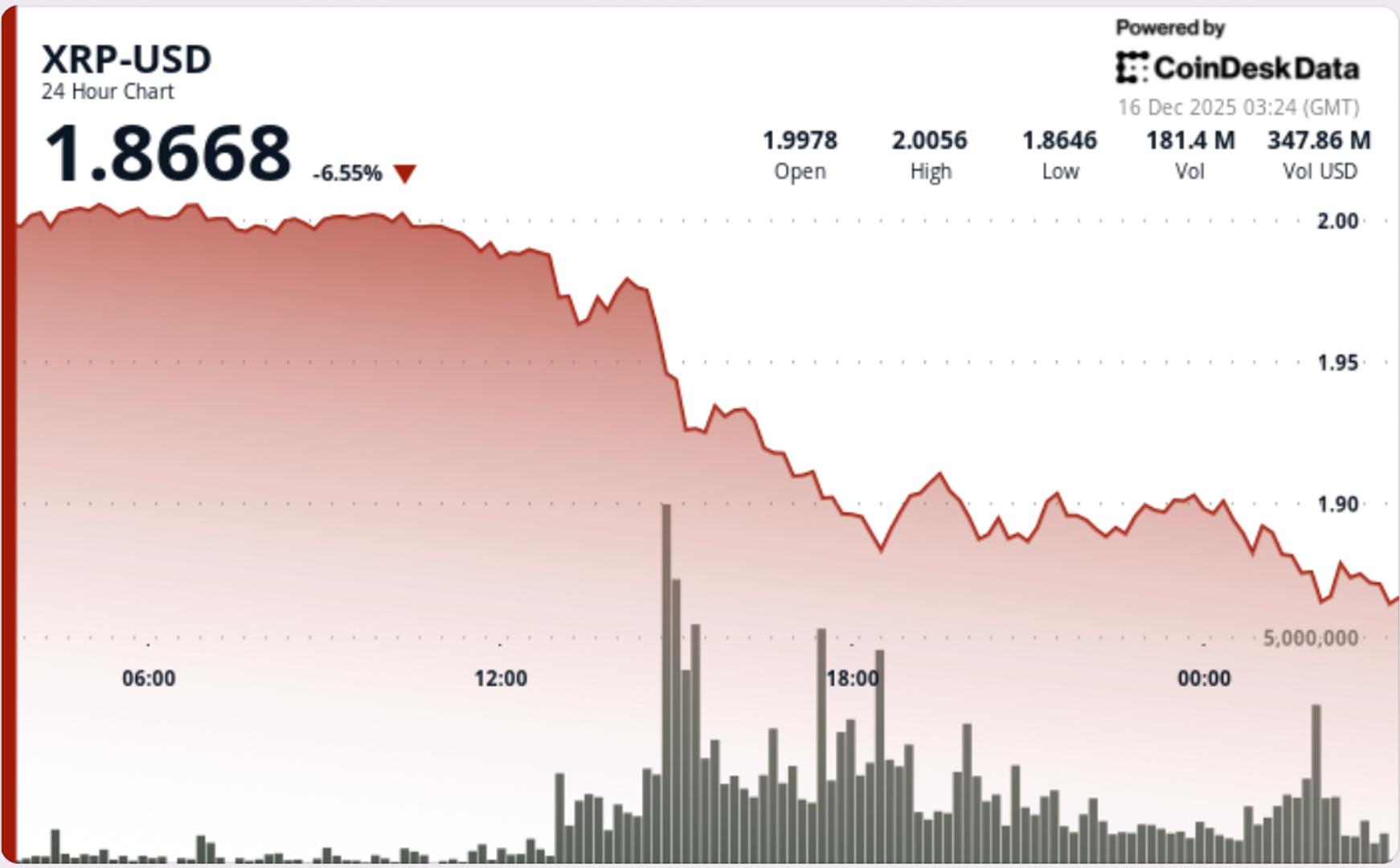
XRP price weakens at critical level, raising risk of deeper pullback

XRP price weakens at critical level, raising risk of deeper pullback

Markets Share Share this article
Copy linkX (Twitter)LinkedInFacebookEmail
XRP price weakens at critical level, raising
Paylaş
Coindesk2025/12/16 11:34
Warsaw Stock Exchange Launches Poland's First Bitcoin ETF

Warsaw Stock Exchange Launches Poland's First Bitcoin ETF

PANews reported on September 19th that according to Cryptobriefing, the Warsaw Stock Exchange has launched Poland's first Bitcoin ETF, marking a significant step forward in the adoption of cryptocurrencies in Eastern Europe. The ETF allows Polish investors to gain exposure to Bitcoin through standard brokerage accounts.
Paylaş
PANews2025/09/19 08:52
Slate Milk Raises $23 Million Series B Round To Bolster Protein Drink’s Rapid Growth

Slate Milk Raises $23 Million Series B Round To Bolster Protein Drink’s Rapid Growth

The post Slate Milk Raises $23 Million Series B Round To Bolster Protein Drink’s Rapid Growth appeared on BitcoinEthereumNews.com. Slate Classic Chocolate milk shake Slate A new slate of functional beverages is about to dominate the ready-to-drink shelf, ushering in a more modern era of easily incorporating more protein in our diets. Today, Slate Milk cofounders Manny Lubin and Josh Belinsky reveal the brand has raised a $23 million Series B funding round. Led by Foundership, a new fund by Yasso frozen greek yogurt cofounders Drew Harrington and Amanda Klane, the money will allow Slate to continue its momentum towards ubiquity as it hits 100,000 points of distribution across 20,000 stores nationwide by the end of 2025. Slate also reveals that it is rolling out several line extensions including a 20 gram protein Strawberry milk at Sprouts Farmers Market, a 30 gram protein Cookies & Cream milk at Target, and a 30 gram protein Salted Caramel flavor at Walmart and Albertsons banner stores. New “Ultra” 42 gram protein options in Chocolate, Vanilla and Salted Caramel will also be available in retailers across the country. “Stores where we may have just had our ready-to-drink lattes, now we’re adding our shakes, and vice versa. We’re adding new partners and executing deeper with our existing partners,” Lubin tells me. The impressive growth is due to Slate’s early entry into the high-protein product space slightly before it caught mainstream attention–ready to execute immediately once consumers craved it most. Slate’s macronutrient ratios are practically unbeatable, largely due to the utilization of ultra-filtered milk. It’s a protein drink that writes a new script about who protein drinks are for. “We’re not sons of dairy farmers. We had no milk history,” Lubin says “We’re just a couple of dudes from the burbs of Boston who like chocolate milk.” Slate cofounder Manny Lubin Slate Another Clean Slate Slate’s brand has evolved significantly in just the past six…
Paylaş
BitcoinEthereumNews2025/09/19 03:08