The post ACA enhanced subsidies ending may hike Obamacare premiums in 2026 appeared on BitcoinEthereumNews.com. Morsa Images | Digitalvision | Getty Images Affordable Care Act insurance premiums are set to rise sharply next year if Congress doesn’t intervene. That’s because enhanced subsidies that have reduced costs for millions of enrollees in health plans purchased through the ACA marketplace in recent years are set to expire after 2025. (The ACA is also referred to as Obamacare.) The disappearance of these enhanced premium tax credits — a so-called “subsidy cliff” — would cause average premiums to rise by about 75%, according to KFF, a nonpartisan health policy research group. That would amount to more than $700 in additional premium payments per year, on average, KFF found. The vast majority — about 22 million — of the total 24 million people with a health plan via the ACA marketplace received a premium tax credit in 2025, according to KFF. “For those 22 million people, it would be a huge premium shock on New Year’s Day if these tax credits expire,” said Larry Levitt, the group’s executive vice president for health policy. ACA insurance plans are generally for those who don’t have access to a workplace plan, such as students, younger retirees, contractors, the self-employed and unemployed, among others. The enhanced credits are largely responsible for driving down uninsured rates in recent years as lower health costs attracted households, Levitt said. About 7.9% of the U.S. population was uninsured in 2023, the lowest share in history, compared to 9.2% in 2019, he said, citing federal data. More than 4 million Americans would become uninsured over the next decade if the enhanced credits lapse, according to an estimate by the Congressional Budget Office earlier this year. Push to continue enhanced ACA subsidies Democrats offered the enhanced subsidies in 2021 as part of the American Rescue Plan Act pandemic-relief law. Lawmakers… The post ACA enhanced subsidies ending may hike Obamacare premiums in 2026 appeared on BitcoinEthereumNews.com. Morsa Images | Digitalvision | Getty Images Affordable Care Act insurance premiums are set to rise sharply next year if Congress doesn’t intervene. That’s because enhanced subsidies that have reduced costs for millions of enrollees in health plans purchased through the ACA marketplace in recent years are set to expire after 2025. (The ACA is also referred to as Obamacare.) The disappearance of these enhanced premium tax credits — a so-called “subsidy cliff” — would cause average premiums to rise by about 75%, according to KFF, a nonpartisan health policy research group. That would amount to more than $700 in additional premium payments per year, on average, KFF found. The vast majority — about 22 million — of the total 24 million people with a health plan via the ACA marketplace received a premium tax credit in 2025, according to KFF. “For those 22 million people, it would be a huge premium shock on New Year’s Day if these tax credits expire,” said Larry Levitt, the group’s executive vice president for health policy. ACA insurance plans are generally for those who don’t have access to a workplace plan, such as students, younger retirees, contractors, the self-employed and unemployed, among others. The enhanced credits are largely responsible for driving down uninsured rates in recent years as lower health costs attracted households, Levitt said. About 7.9% of the U.S. population was uninsured in 2023, the lowest share in history, compared to 9.2% in 2019, he said, citing federal data. More than 4 million Americans would become uninsured over the next decade if the enhanced credits lapse, according to an estimate by the Congressional Budget Office earlier this year. Push to continue enhanced ACA subsidies Democrats offered the enhanced subsidies in 2021 as part of the American Rescue Plan Act pandemic-relief law. Lawmakers…

ACA enhanced subsidies ending may hike Obamacare premiums in 2026

2025/09/10 19:14

Morsa Images | Digitalvision | Getty Images

Affordable Care Act insurance premiums are set to rise sharply next year if Congress doesn’t intervene.

That’s because enhanced subsidies that have reduced costs for millions of enrollees in health plans purchased through the ACA marketplace in recent years are set to expire after 2025. (The ACA is also referred to as Obamacare.)

The disappearance of these enhanced premium tax credits — a so-called “subsidy cliff” — would cause average premiums to rise by about 75%, according to KFF, a nonpartisan health policy research group. That would amount to more than $700 in additional premium payments per year, on average, KFF found.

The vast majority — about 22 million — of the total 24 million people with a health plan via the ACA marketplace received a premium tax credit in 2025, according to KFF.

“For those 22 million people, it would be a huge premium shock on New Year’s Day if these tax credits expire,” said Larry Levitt, the group’s executive vice president for health policy.

ACA insurance plans are generally for those who don’t have access to a workplace plan, such as students, younger retirees, contractors, the self-employed and unemployed, among others.

The enhanced credits are largely responsible for driving down uninsured rates in recent years as lower health costs attracted households, Levitt said.

About 7.9% of the U.S. population was uninsured in 2023, the lowest share in history, compared to 9.2% in 2019, he said, citing federal data.

More than 4 million Americans would become uninsured over the next decade if the enhanced credits lapse, according to an estimate by the Congressional Budget Office earlier this year.

Push to continue enhanced ACA subsidies

Democrats offered the enhanced subsidies in 2021 as part of the American Rescue Plan Act pandemic-relief law. Lawmakers extended them in the Inflation Reduction Act, which former President Joe Biden signed in 2022.

It’s unclear whether the Republican-controlled Congress will extend them again.

The GOP didn’t include an extension as part of the so-called “big beautiful bill,” a tax and spending package estimated to cost some $4 trillion over a decade. That law would also cause another 11 million Americans to be uninsured over the next decade due to other healthcare policy changes, to Medicaid and the ACA, the Congressional Budget Office estimated.

More from Personal Finance:
How to get a better mortgage rate as the 30-year fixed nears 1-year low
Here’s how to handle your student loans after losing a job
Gold is on a record run — here’s how to invest

There has been a push by some Republican lawmakers to continue the enhanced ACA subsidies, at least through the midterm elections.

There are 11 legislative days before a potential government shutdown on Oct. 1 — and Democrats are likely to “flex some policy muscle” to try pushing through an extension, Chris Krueger, managing director of TD Cowen’s Washington Research Group, wrote in a note Monday.

“Many Congressional Republicans are also eager to extend these subsidies for fear of health insurance sticker shock in advance of the November 2026 midterms,” Krueger wrote.

Extending them would cost about $25 billion in 2026, Krueger wrote.

Some lawmakers don’t seem to support an extension, however.

Rep. Andy Harris, R-Md., who chairs the hard-right House Freedom Caucus, told NBC News in July that he “absolutely” wants the enhanced credits to end.

“It’ll cost hundreds of billions of dollars. Can’t afford it,” Harris said. “That was a Covid-era policy. Newsflash to America: Covid is over.”

A spokesperson for Rep. Harris didn’t return a request for comment.

How premium tax credits work

Premium tax credits were established under the ACA and were originally available for households with incomes between 100% and 400% of the federal poverty level.

The American Rescue Plan Act temporarily increased the amount of the premium tax credit and expanded eligibility to households with an annual income of more than 400% of the federal poverty limit. (This includes a family of four with income of more than $128,600 in 2025, for example.)

The law also capped the amount a household pays out-of-pocket toward insurance premiums at 8.5% of income.

If the enhanced subsidies were to expire, households with income at or up to 150% of the federal poverty line would see their average premiums rise from $0 to $387 a year (about $32 a month), for example, according to an analysis published in December by the Urban Institute and Robert Wood Johnson Foundation.

In 2025, a family of four would fall in this range if their income was between $32,150 and $48,225.

Those earning 150% to 200% of the poverty line (up to $64,300 for a family of four) would see their premiums rise by more than 400%, to $905 a year from $180, according to the report.

People with incomes above 400% of poverty wouldn’t be eligible for any ACA subsidies. They’d owe $6,490 a year in premiums, up from $3,576, the report found.

Premiums already rising

Open enrollment for ACA marketplace plans starts Nov. 1.

If Congress opts not to extend the enhanced subsidies before that date, households would see a big spike in their premiums when they go to sign up for their insurance plan, Levitt said.

Already, some insurers seem set to raise premiums more than usual in anticipation of the enhanced credits lapsing and other policy uncertainty.

The typical insurer proposed a premium increase of 18% for 2026, about 11 percentage points higher than last year and the largest rate change requested since 2018, according to an August brief from KFF and The Peterson Center on Healthcare.

Source: https://www.cnbc.com/2025/09/10/aca-enhanced-subsidies-expire-obamacare-premiums-rise.html
Piyasa Fırsatı
Threshold Logosu
Threshold Fiyatı(T)
$0.00939
$0.00939$0.00939
-3.29%
USD
Threshold (T) Canlı Fiyat Grafiği
Sorumluluk Reddi: Bu sitede yeniden yayınlanan makaleler, halka açık platformlardan alınmıştır ve yalnızca bilgilendirme amaçlıdır. MEXC'nin görüşlerini yansıtmayabilir. Tüm hakları telif sahiplerine aittir. Herhangi bir içeriğin üçüncü taraf haklarını ihlal ettiğini düşünüyorsanız, kaldırılması için lütfen service@support.mexc.com ile iletişime geçin. MEXC, içeriğin doğruluğu, eksiksizliği veya güncelliği konusunda hiçbir garanti vermez ve sağlanan bilgilere dayalı olarak alınan herhangi bir eylemden sorumlu değildir. İçerik, finansal, yasal veya diğer profesyonel tavsiye niteliğinde değildir ve MEXC tarafından bir tavsiye veya onay olarak değerlendirilmemelidir.

Ayrıca Şunları da Beğenebilirsiniz

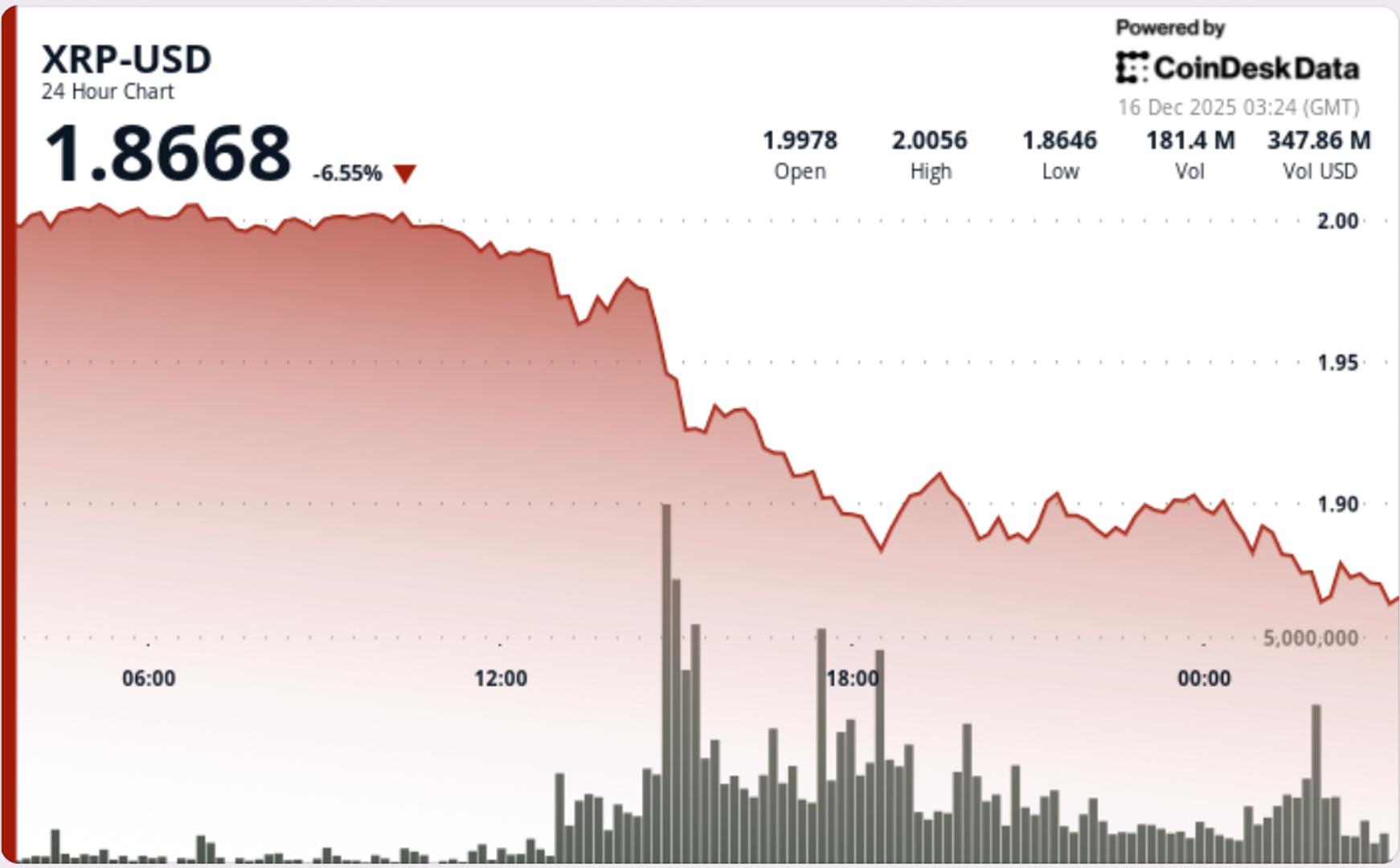
XRP price weakens at critical level, raising risk of deeper pullback

XRP price weakens at critical level, raising risk of deeper pullback

Markets Share Share this article
Copy linkX (Twitter)LinkedInFacebookEmail
XRP price weakens at critical level, raising
Paylaş
Coindesk2025/12/16 11:34
Warsaw Stock Exchange Launches Poland's First Bitcoin ETF

Warsaw Stock Exchange Launches Poland's First Bitcoin ETF

PANews reported on September 19th that according to Cryptobriefing, the Warsaw Stock Exchange has launched Poland's first Bitcoin ETF, marking a significant step forward in the adoption of cryptocurrencies in Eastern Europe. The ETF allows Polish investors to gain exposure to Bitcoin through standard brokerage accounts.
Paylaş
PANews2025/09/19 08:52
Slate Milk Raises $23 Million Series B Round To Bolster Protein Drink’s Rapid Growth

Slate Milk Raises $23 Million Series B Round To Bolster Protein Drink’s Rapid Growth

The post Slate Milk Raises $23 Million Series B Round To Bolster Protein Drink’s Rapid Growth appeared on BitcoinEthereumNews.com. Slate Classic Chocolate milk shake Slate A new slate of functional beverages is about to dominate the ready-to-drink shelf, ushering in a more modern era of easily incorporating more protein in our diets. Today, Slate Milk cofounders Manny Lubin and Josh Belinsky reveal the brand has raised a $23 million Series B funding round. Led by Foundership, a new fund by Yasso frozen greek yogurt cofounders Drew Harrington and Amanda Klane, the money will allow Slate to continue its momentum towards ubiquity as it hits 100,000 points of distribution across 20,000 stores nationwide by the end of 2025. Slate also reveals that it is rolling out several line extensions including a 20 gram protein Strawberry milk at Sprouts Farmers Market, a 30 gram protein Cookies & Cream milk at Target, and a 30 gram protein Salted Caramel flavor at Walmart and Albertsons banner stores. New “Ultra” 42 gram protein options in Chocolate, Vanilla and Salted Caramel will also be available in retailers across the country. “Stores where we may have just had our ready-to-drink lattes, now we’re adding our shakes, and vice versa. We’re adding new partners and executing deeper with our existing partners,” Lubin tells me. The impressive growth is due to Slate’s early entry into the high-protein product space slightly before it caught mainstream attention–ready to execute immediately once consumers craved it most. Slate’s macronutrient ratios are practically unbeatable, largely due to the utilization of ultra-filtered milk. It’s a protein drink that writes a new script about who protein drinks are for. “We’re not sons of dairy farmers. We had no milk history,” Lubin says “We’re just a couple of dudes from the burbs of Boston who like chocolate milk.” Slate cofounder Manny Lubin Slate Another Clean Slate Slate’s brand has evolved significantly in just the past six…
Paylaş
BitcoinEthereumNews2025/09/19 03:08